Tile and luxury vinyl are two of the most popular flooring choices for kitchens, bathrooms, and other high-moisture areas, and it’s easy to see why. Both hold up well to water, both come in a huge range of looks, and both are considered solid long-term investments. The right choice between them comes down to a handful of practical differences worth understanding before you commit.
Here’s how they actually compare.
Look and design options
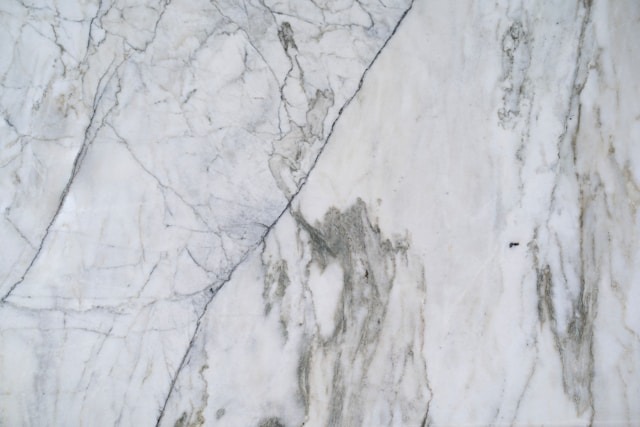
Tile offers an enormous range of design possibilities, from classic ceramic subway tile to large-format porcelain that mimics natural stone with striking realism. It also allows for more elaborate custom patterns, like herringbone or basketweave layouts, since each piece is set individually. Luxury vinyl has closed much of the design gap in recent years, with wood-look and stone-look options that are increasingly difficult to distinguish from the real thing, though it doesn’t offer quite the same level of custom pattern flexibility as tile does. If you’re drawn to a specific tile pattern or an authentic stone look in Milwaukee, WI, FLOOR360 carries tile flooring to meet your exact vision.
Comfort underfoot
This is one of the more noticeable practical differences between the two. Tile is hard and can feel cold, especially in colder climates or during winter months, unless it’s paired with radiant floor heating. Luxury vinyl has a bit more give and generally feels warmer and softer underfoot, which matters for anyone who spends a lot of time standing in the kitchen or wants a more comfortable surface in a bathroom.
Durability and longevity
Both materials are known for their durability, but they hold up differently over time. Porcelain and ceramic tile are extremely resistant to scratching and generally don’t wear down with everyday use, making them a strong choice for high-traffic areas over many decades. Tile can crack under significant impact, though, particularly if the subfloor beneath it isn’t properly prepared. Luxury vinyl resists scratching and denting well thanks to its protective wear layer, and it doesn’t crack the way tile can, though its lifespan, while still long, typically doesn’t match tile’s multi-decade durability.
Water resistance
Both are excellent choices for wet areas, but they achieve it differently. Tile itself is essentially waterproof, though grout lines can allow moisture through if they aren’t properly sealed and maintained over time. Luxury vinyl is fully waterproof across its entire surface, with no grout lines to worry about, which makes it a slightly more forgiving option in terms of long-term water resistance and maintenance.
Installation considerations
Tile installation is more labor-intensive and typically requires a more involved subfloor preparation process, including a properly leveled surface and often a crack isolation membrane to prevent tile cracking from subfloor movement. This generally makes tile a job better suited to professional installation. Luxury vinyl is often designed for easier installation, including click-lock systems that don’t require adhesive, which can make it a more approachable option for anyone considering a DIY project, though professional installation still delivers the most consistent results.
Maintenance
Tile requires attention to grout lines, which can stain and need periodic resealing to maintain their water resistance and appearance. Luxury vinyl’s seamless surface is generally easier to maintain, requiring just regular sweeping and occasional mopping without the grout upkeep tile demands.
Cost considerations
Luxury vinyl is often the more budget-friendly option upfront, both in materials and installation labor, since it’s typically faster and less labor-intensive to install. Tile, especially natural stone or intricate patterned installations, tends to cost more both in materials and labor, though its exceptional durability can offset that cost over a longer ownership timeline.
Which one makes more sense for your space
If you want the most authentic stone look, the widest range of custom pattern options, or flooring that will realistically outlast several decades of heavy use, tile is generally the stronger choice. If comfort underfoot, easier maintenance, a more budget-friendly installation, or a smoother, grout-free waterproof surface matter more to you, luxury vinyl tends to be the better fit.
Both are excellent, proven options, and the right one really depends on your priorities for the specific room you’re working with. A flooring consultation can help you compare both side by side and figure out which one actually makes the most sense for your home.