Every home has a normal sound pattern. Floors settle. Pipes move a little. Appliances switch on and off. What matters is change. A new noise, a louder noise, or a noise that keeps returning can point to damage that is getting worse behind the scenes.
That is where expensive repairs often begin. The sound starts small, gets ignored, and turns into water damage, electrical trouble, structural wear, or a full system failure. The good news is that many warning signs are easy to catch when you know what to listen for. Here are the house noises that deserve your attention.
Banging Pipes After Water Use
If you hear banging sounds after stopping running water from a faucet or the washing machine, then your plumbing is probably experiencing stress. Typically, banging occurs due to the sudden interruption of water flow, resulting in high internal pressure within the pipes. Loose pipe supports are likely to cause additional vibration, which will increase the noise of the bang. This will often occur in homes with old plumbing. Do not assume the banging is okay simply because the water continues to run. The constant high pressure could potentially put a strain on the joints, fittings, and seals, and will eventually result in a slow drip inside the walls. Check for signs of leaks, such as wet spots near sinks or areas where there is low water pressure. A licensed plumber can inspect your pipes and adjust the pressure in the plumbing system so that the banging sound does not become a leak and you can avoid costly repairs.
Buzzing From Outlets or Switches
Buzzing sounds surrounding electrical outlets or switches usually indicate some type of electrical problem. Buzzing generally indicates loose wire connections, overloaded circuits, or components failing. These are one of the sounds that call for immediate action. If possible, stop using the affected outlet. Refrain from repeatedly testing the outlet. A licensed electrician will quickly locate the source of the problem and minimize further damage.
Scratching in the Walls or Ceiling
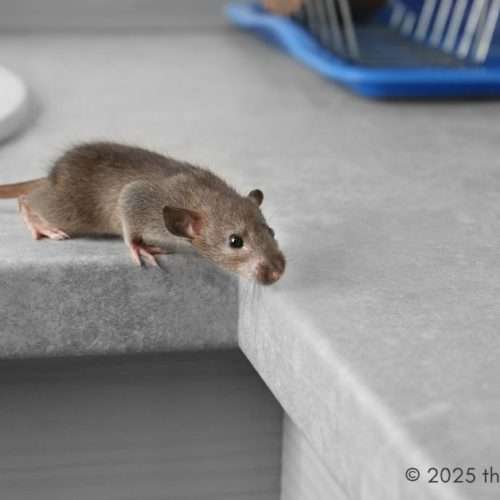
Scratching noises, slight tapping noises, or rapid movements in either your attic space or interior walls suggest pest infestation. Rodent activity can mean destroyed insulation. Rodents gnaw through electrical wires, and spread contaminants. When inspecting your house, look for rodent entry points close to vents, roof eaves, and utility openings. Closing these holes is just as important as eliminating the rodents. While you are taking care of rodent and pest problems, you should get the insulation and wiring inspected as well.
Rattling Doors and Windows
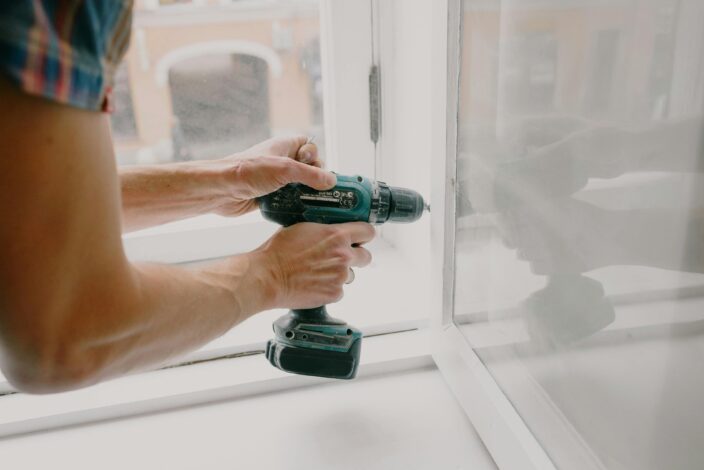
A rattling door or window may not sound urgent, but it can signal gaps, worn hardware, or a shifting frame. That means outside air and moisture may already be getting in. Over time, that can affect trim, paint, flooring, and energy costs.
Try a simple check. Stand nearby on a windy day and feel for moving air around the frame. Tightening hardware may help, but sometimes the better fix is improving the fit and seal. Professional door installation can make a noticeable difference in comfort, noise control, and long-term performance.
Creaks That Keep Spreading
A single creak in an older house is common. A growing pattern of creaks in one area is different. It can point to subfloor wear, moisture problems, or shifting support below the surface.
Watch for related clues such as soft spots, cracked caulk, or doors that suddenly stop closing cleanly. Those signs usually mean the noise is part of a larger issue.
When a house starts sounding different, believe it. Acting early is often what keeps a repair manageable instead of expensive.