Most people walk into a facelift consultation thinking about what they want to change. Fewer think about what they’ve already done to their skin, and that gap can create surprises during the planning process. The treatments you’ve had over the years, whether lasers, fillers, radiofrequency devices, or chemical peels, leave a mark on the tissue beneath the surface that a surgeon has to account for before ever making an incision.
In Atlanta and other markets where aesthetic treatments are widely accessible and heavily used, this conversation is becoming a more routine part of facelift planning than it was even a decade ago.
Here’s what previous treatments actually affect and why your full aesthetic history matters.
1. Laser and Energy Treatments Affect the Skin’s Structural Integrity
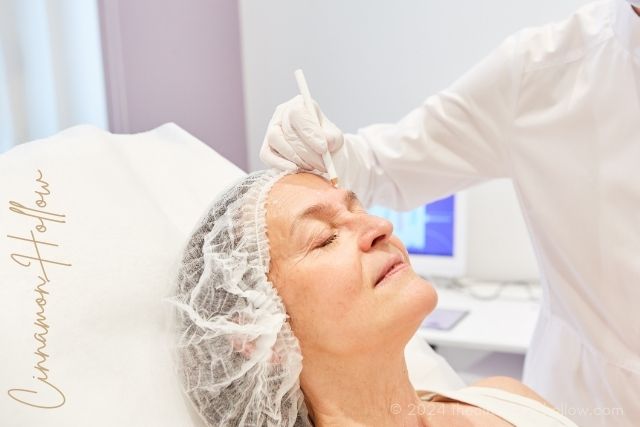
Laser resurfacing, radiofrequency treatments, and ultrasound-based devices all work by creating controlled injury to the skin or underlying tissue to stimulate collagen production. Over time, repeated treatments can change the texture, thickness, and pliability of the skin in ways that affect how it responds during and after surgery.
Skin that has been heavily treated with ablative lasers, for example, may have less elasticity than untreated skin of the same age. That matters during a facelift because the surgeon needs the skin to move and redrape smoothly over the repositioned underlying tissue. A detailed treatment history helps the surgeon anticipate how the skin will behave and adjust their technique accordingly, rather than encountering unexpected resistance or fragility mid-procedure.
2. Filler History Changes How a Surgeon Reads the Face
Dermal fillers are one of the most common aesthetic treatments people have before considering a facelift, and they complicate the surgical picture in ways that aren’t always obvious. Filler adds volume to areas that may have lost it over time, which can temporarily mask the degree of sagging or hollowing that’s actually present. When a surgeon assesses a face that has active filler in it, what they’re seeing isn’t the same as the underlying anatomy.
Patients exploring a facelift in Atlanta are typically asked to disclose their full filler history, including the product used, the volume, and how recently it was injected, because it directly influences how the surgeon interprets facial structure and plans the lift. Clinics like Northside Plastic Surgery factor this into the pre-surgical assessment to ensure the plan reflects the actual tissue rather than a filler-augmented version of it. In some cases, dissolving existing filler before surgery gives a clearer picture and a cleaner starting point.
3. Thread Lifts Create Scar Tissue That Complicates Dissection
Thread lifts have become more popular as a non-surgical alternative to facelifts, but they leave behind scar tissue along the thread paths that can create real complications for a surgeon working in the same tissue planes later. The threads themselves may also still be present depending on how long ago the procedure was done and what type of thread was used.
Scar tissue from threads is unpredictable. It can tether the skin in ways that make dissection harder, increase the risk of uneven results, and extend operating time. Surgeons who know about prior thread work can prepare for it, adjust their approach, and have a more accurate conversation with the patient about what the results are likely to look like. Surgeons who find out during the procedure have fewer options.
4. Chemical Peels and the Depth of Prior Treatment Matter
Not all chemical peels are the same. A light peel done occasionally is unlikely to create any meaningful surgical considerations. A series of deep peels, however, can affect the dermis in ways that change how incisions heal and how scarring presents. The depth of prior chemical treatments is something surgeons want to know about, particularly for peels that reached the reticular dermis, because that layer is involved in wound healing and scar formation.
According to research published on PubMed, prior laser and chemical resurfacing procedures can alter tissue planes and affect surgical dissection during facelift procedures. That finding reflects what surgeons encounter in practice when operating on skin that has had significant prior treatment without adequate disclosure.
5. Timing Between Treatments and Surgery Has Real Consequences
Even treatments that don’t create lasting tissue changes can affect surgical outcomes if the timing isn’t right. Certain injectables, including blood-thinning supplements that accompany some wellness treatments, can increase bleeding risk. Recent laser treatments can leave the skin sensitized and more prone to complications during healing. Radiofrequency or ultrasound treatments done too close to a surgical date may interfere with tissue response.
The American Society of Plastic Surgeons has noted that incomplete disclosure of prior treatments and supplements is one of the more common factors that contributes to unexpected surgical complications. Most of those complications are preventable when the surgeon has accurate information before the procedure begins.
Putting It All Together
Your aesthetic clinic history is part of your surgical history, and it deserves the same level of disclosure. A facelift planned around complete, accurate information about prior treatments is a fundamentally different procedure than one planned around assumptions. Being thorough in that first consultation isn’t just helpful to your surgeon. It’s one of the most direct ways you can contribute to your own outcome.
The owners and authors of Cinnamon Hollow are not doctors and this is in no way intended to be used as medical advice. We cannot be held responsible for your results. As with any product, service or supplement, use at your own risk. Always do your own research and consult with your personal physician before using.

Meg is an author at Cinnamon Hollow. She writes on a variety of topics sharing tips and ideas for daily life.