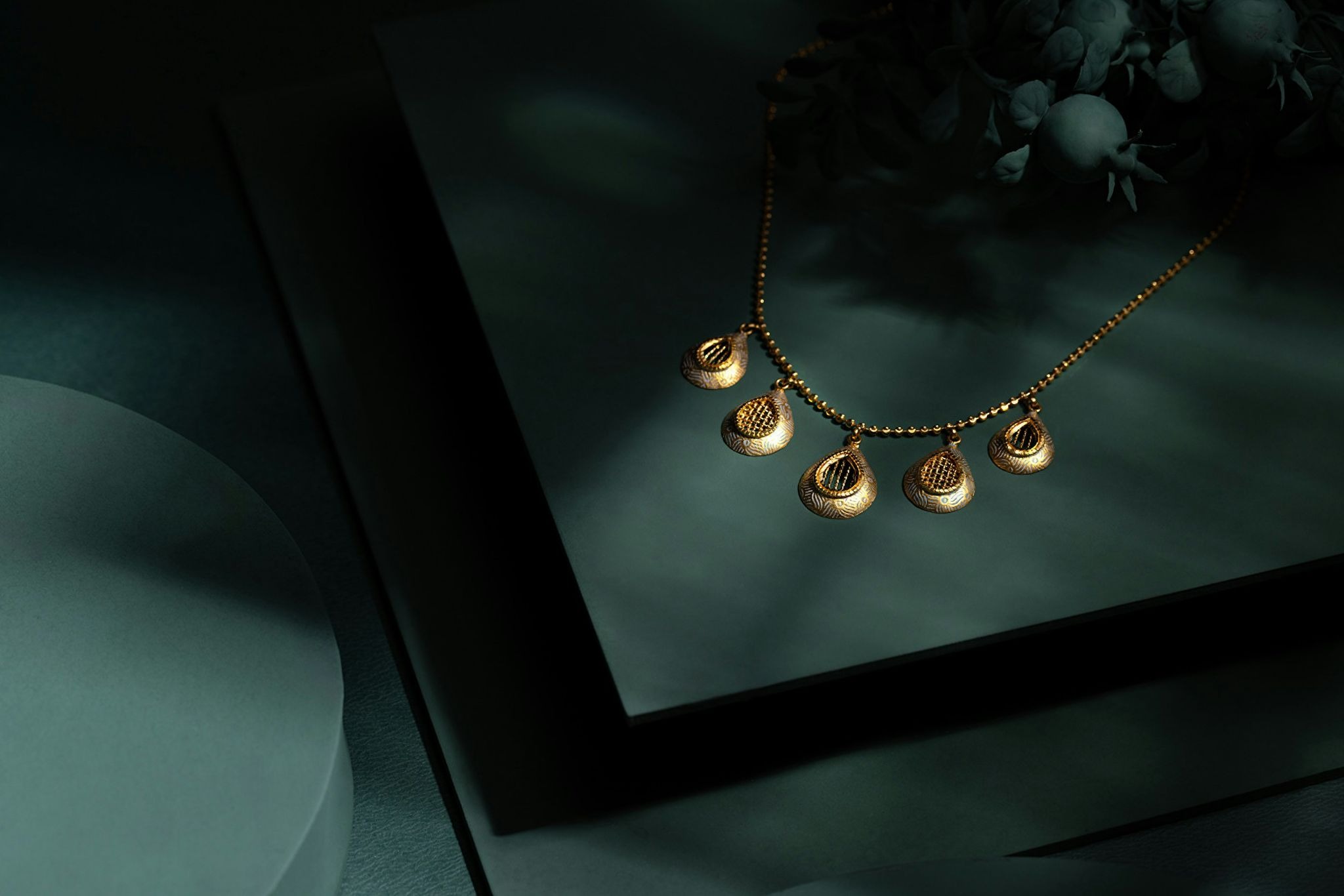
Think of a dainty gold necklace the way you think of a plain white T-shirt. It goes with almost everything, it rarely feels like too much, and on a busy morning it can pull an outfit together and earn a spot among your everyday jewelry essentials.
The hard part is that dainty gold necklace can mean many different things once you start comparing options online. Chain widths, karat numbers, clasp types, and lengths can add up fast.
This guide breaks the choice into three steps: choose your metal color, pick your chain style and scale, then settle on the right length. Those decisions will help you find an everyday piece you can wear to the office, on weekend errands, or out to dinner without overthinking it.
Key Takeaways
- A dainty necklace is about proportion, not just size. Chain thickness, pendant scale, and how the piece sits on your frame matter more than one millimeter measurement.
- 14K gold is a practical daily-wear option. With roughly 58.5% gold content, 14K often balances warm color with everyday wearability.
- Three decisions simplify the process. Metal color, chain style and scale, and length are the main choices to get right.
- Layering can stay simple. A base chain, a focal pendant one to two inches longer, and a slightly heavier finishing chain create a clean stacked look.
- Quality cues help reduce regret. Look for a karat stamp, a responsibility mark, soldered jump rings, and clear alloy information before you buy.
- Basic care keeps gold looking fresh. Mild soap and water, a soft cloth, and separate storage go a long way.
What Makes a Necklace Dainty
Dainty usually describes necklaces with slender chains and minimal, lightweight details. But daintiness is relative. A chain that looks delicate on someone with a broader frame may read differently on a petite frame, and a pendant that seems small in a product photo may feel larger in person.
The practical takeaway is to check the millimeter specs on a product page instead of relying on photos alone. Chain thickness is commonly listed in millimeters. Slimmer measurements, often around 0.5 mm to 1.2 mm, tend to read as dainty. Proportions should also account for the wearer and any pendant weight the chain needs to support.
Step 1: Choose Your Metal Color
14K gold comes in three common color families. The best choice depends on what you already own, what you wear most, and whether you prefer warm or cool tones.
Yellow gold has a warm, classic tone that pairs naturally with earth tones, denim, olive, and mustard shades. If your existing rings and earrings lean warm, yellow gold will likely blend in easily.
White gold reads cooler and more modern. It tends to complement silver-toned watches and cooler wardrobe palettes. One thing to keep in mind: white gold pieces are often rhodium plated for brightness and may need periodic replating as the finish wears over time.
Rose gold sits between the two, with a pinkish warmth that can flatter many skin tones. It can also mix comfortably with both yellow and white metals if you like a layered, mixed-metal look.
A quick way to decide is to look at the jewelry you already reach for most. Matching metal families creates a cohesive look without much effort.
If you are still building a small daily rotation, browsing minimalist jewelry brands can give you a broader starting point for pieces that coordinate with the necklace you choose.
Why 14K Works Well for Daily Wear
Before comparing chain styles, it helps to understand what the karat number means. The karat affects color, composition, and how the piece may handle regular wear.
Understanding Karat and Construction
Karat numbers tell you how much of the metal is actually gold. 14K corresponds to roughly 58.5% gold content, with the remaining percentage made up of alloy metals that affect the piece’s working characteristics.
Compared with higher karats like 18K or 24K, 14K alloys are often chosen for everyday wear because they balance gold content with practical wear characteristics. The color is still distinctly gold, while the alloy blend may offer more resilience for daily activities like typing, cooking, or carrying groceries.
Lower karats, such as 10K, contain less gold and may appear slightly less saturated in color. Higher karats are richer in tone but generally softer. For a piece you plan to wear most days, 14K is a common middle ground.
It is also worth understanding terminology you may see while shopping. Solid gold means a piece is made entirely of the gold alloy, such as solid 14K. Gold-filled describes a thick layer of gold bonded to a base metal core.
Gold-plated and vermeil pieces involve thinner gold layers over base metal or sterling silver. These distinctions affect longevity and value, so sellers should disclose construction clearly.
Step 2: Pick Your Chain Style and Scale
Chain style affects the necklace’s sparkle, drape, and tendency to tangle. These five slim chain types are common starting points:
- Cable chain: Uniform oval links. Clean, minimal, and one of the least likely to tangle. A versatile first choice.
- Box chain: Square-shaped links that catch light evenly. It often feels slightly sturdier than cable at the same width.
- Curb chain: Flat, interlocking links with a subtle edge. It reads a little more casual or streetwear-influenced.
- Rope chain: Twisted links that create noticeable sparkle. It is attractive, but thinner versions may be more prone to kinking.
- Paperclip chain: Elongated, open links with a modern, graphic look. It tends to drape nicely and resist tangling.
If you are choosing your first dainty piece, a slim cable or box chain offers the widest versatility. You can add more textured styles later if you decide to layer.
Clasps and Extenders That Make Life Easier
The clasp seems minor until you are fumbling behind your neck every morning.
Lobster clasps are generally easier to operate and are commonly viewed as more secure than small spring ring clasps for everyday wear. Spring rings can work well, but they may feel fiddly on very slim chains.
An extender chain, often 1 to 2 inches, gives you flexibility. It lets you shift a 16-inch chain to 17 or 18 inches depending on your neckline, without needing a second necklace. Some shoppers also explore magnetic clasp adapters, though it is best to use those only if the brand recommends them for the chain’s weight.
Pendants vs. Plain Chain for Everyday Jewelry Essentials
A plain chain is the most versatile option. It layers without competing and looks clean with most necklines.
A small pendant, such as a tiny disc, initial, or stone, turns the necklace into more of a focal piece. If you choose a pendant, pay attention to the bail, which is the small loop connecting the pendant to the chain.
It should be proportional to the chain width so the pendant slides smoothly instead of bunching. Lightweight pendants help preserve the delicate silhouette and may reduce tangling when you layer.
Step 3: Choose a Length That Flatters Your Neckline
Common necklace lengths marketed in the U.S. include shorter options that sit around the collarbone and longer options that fall below it. Retailers often use names like choker, around 14 to 15 inches, princess, around 17 to 19 inches, and matinee, around 20 to 24 inches, though exact naming varies.
Here is a general guide for matching length to neckline:
- Crew neck or high neckline: A length that sits just below the collarbone, roughly 16 to 18 inches, tends to peek out neatly above the fabric line.
- V-neck: A slightly longer length, around 18 to 20 inches, can follow the angle of the V for a streamlined look.
- Button-down or open collar: Shorter lengths, around 16 inches, nestle inside the collar, while longer ones hang over the shirt front for a more relaxed feel.
Body proportions matter too. Someone with a longer neck may prefer a slightly shorter chain for the same visual effect, while someone with a shorter neck may want a bit more length to avoid a crowded look. An extender makes it easier to test different lengths before committing to one.
Simple Layering Formulas to Try
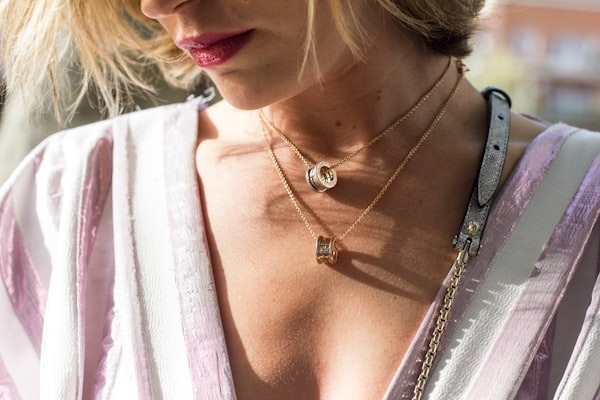
Layering does not need to be complicated. A simple 1-2-3 formula keeps it approachable:
- Base chain: Your slimmest, shortest piece, such as a plain cable or box chain in your chosen metal color.
- Focal pendant: One to two inches longer than the base. This is where a small charm or gemstone can add visual interest.
- Finishing chain: Another inch or two longer, slightly heavier or with a different texture, such as a paperclip or curb style.
Spacing chains at least one to two inches apart in length helps reduce tangling. Mixing textures, such as smooth with twisted or flat with round, also keeps chains from interlocking as easily. If your chains tend to knot during exercise or active days, remove layers before heavy movement.
A separate guide to stacking gold chains can help you think through spacing and texture before you add more pieces.
For visual context, browsing a 14k gold dainty necklace collection can help you compare how delicate pieces layer without overpowering casual outfits.
Quality and Authenticity Cues
When shopping for solid 14K gold, a few details can help you understand what you are buying:
- Karat stamp: U.S. pieces are commonly marked 14K or 585. When a karat stamp is present, it should also include a responsibility mark identifying the manufacturer or seller, per FTC guidelines.
- Soldered jump rings: On a well-made chain, the small connecting rings should be soldered shut rather than left with a visible gap. This reduces the chance of the chain pulling apart.
- Even finishing: Run the chain through your fingers. It should feel smooth and consistent, without rough spots or uneven links.
- Transparent specs: Reliable sellers tend to publish clear alloy information, return windows, and repair or maintenance options.
These cues are not guarantees on their own, but together they offer a clearer picture of craftsmanship and seller transparency.
Skin Sensitivity Notes
Some gold alloys may contain nickel or other metals that can irritate sensitive skin. This is more common in white gold alloys, though it can happen with yellow and rose gold formulations too.
If you have known sensitivities, check product descriptions for nickel disclosures or alloy breakdowns before purchasing. Yellow and rose 14K options may be worth considering if white gold plating or certain white gold alloys have caused reactions in the past.
For ongoing concerns, a dermatologist or allergist can help identify which metals to avoid. This article is not medical advice, but it can help you ask better questions while shopping.
Care and Storage for the Long Haul
A little routine maintenance keeps a 14K necklace looking its best:
- Rinse after sweat or swimming. Chlorine and some harsh chemicals can damage or weaken gold alloys over time. Remove jewelry before swimming or cleaning with strong products.
- Dry with a soft cloth. A gentle wipe removes moisture, oils, and light residue.
- Clean periodically. Mild soap, warm water, and a soft cloth help maintain luster. Avoid abrasive cleaners and rough scrubbing.
- Store separately. Keep chains in individual pouches or compartments to prevent scratching and tangling.
- Remove during heavy activity. Gardening, weightlifting, and similar tasks can put unnecessary stress on fine chains.
When a necklace is part of your morning routine, sweat, sunscreen, lotion, and storage friction can leave residue on small links over time; a practical refresher on cleaning fine jewelry can reinforce why gentle routines are worth building into your week.
Assess Value Without Focusing Only on Price
Instead of judging by price alone, look for signals that suggest a piece is worth wearing long term:
- Solid 14K construction rather than plated or filled, if longevity is a priority.
- Soldered links and a quality clasp, especially a clasp that feels easy to open and close securely.
- Clear product descriptions that disclose metal content, chain dimensions, and country of origin.
- A reasonable return and repair policy. Sellers who stand behind their work tend to make care and service options easy to find.
The goal is to choose a piece you will wear often. A necklace that meets these criteria is more likely to hold up through daily life without needing early replacement.
FAQ
These quick answers cover the most common questions people have before choosing a dainty 14K gold necklace.
Is 14K gold suitable for everyday wear?
14K gold is one of the more common choices for daily jewelry in the U.S. The alloy blend tends to balance warmth of color with practical wear characteristics. That said, no metal is indestructible. Removing your necklace during high-impact activities and following basic care steps will help it hold up over time.
Are dainty chains too delicate for daily life?
Slim chains can handle regular wear, but they are not designed for heavy pulling or snagging. Soldered links and a secure clasp make a noticeable difference in everyday durability. Choosing a chain width that is proportional to any pendant weight also helps prevent unnecessary stress on the links.
Can I shower or swim with my 14K gold necklace on?
It is generally best to remove gold jewelry before swimming or showering with harsh products. Chlorine and certain chemicals can weaken gold alloys over time. Brief exposure to plain water is less of a concern, but removing the necklace before pools, hot tubs, and cleaning sessions helps preserve it.
What is the difference between solid gold, gold-filled, and gold-plated?
Solid gold means the entire piece is made of the gold alloy, such as solid 14K. Gold-filled pieces have a thick layer of gold mechanically bonded to a base metal core. Gold-plated and vermeil pieces have a thinner gold layer over base metal or sterling silver. Each construction has different longevity and value characteristics, so sellers should disclose which type they are offering.

Meg is an author at Cinnamon Hollow. She writes on a variety of topics sharing tips and ideas for daily life.