Most workplaces run on portable electrical equipment, from kettles and computers to power tools and extension leads.
These items wear out with daily use, and a hidden fault can quickly become a serious safety risk.
Test and tag is the simple, structured way businesses keep that equipment safe and compliant. This guide explains what it involves, why it matters and how the process works for workplaces in Kiama and the wider Illawarra.
Key Takeaways
- Test and tag is the routine inspection and electrical testing of portable equipment.
- It helps businesses meet work health and safety duties and keep clear records.
- Qualified technicians follow the AS/NZS 3760 standard during testing.
- Testing frequency depends on the workplace and how the equipment is used.
- Good documentation supports audits, insurance and overall compliance.

What Is Test and Tag?
Test and tag is the process of checking portable electrical appliances to confirm they are safe to use. It combines a visual inspection with an electrical test, followed by a tag that records the result.
The tag shows whether an item passed or failed, who tested it and when the next check is due. It is a small label that carries a lot of weight for workplace safety and compliance.
The two parts of the job work together to give a complete picture of an appliance’s condition. A visual check spots obvious damage, while the electrical test reveals problems hidden inside the casing.
Why It Matters for Workplaces
Electrical equipment that looks fine on the outside can still hide dangerous faults inside. Frayed cords, loose plugs and internal damage often develop slowly and go unnoticed until something goes wrong.
Regular testing catches these problems early, before they cause shocks, fires or downtime. It also shows that a business is taking its safety responsibilities seriously, which matters to staff, customers and insurers.
There is a financial side too, since faulty equipment can cause damage, downtime and costly claims. Catching a problem early is almost always cheaper than dealing with the aftermath of a failure.
The Standard Behind Test and Tag
In Australia, test and tag is guided by the AS/NZS 3760 standard for in-service safety inspection of electrical equipment. This standard sets out how items should be inspected, tested and recorded.
Working to that standard means results are consistent and defensible if they are ever questioned. It also gives business owners confidence that testing has been done properly rather than as a token gesture.
The standard also covers details like test intervals, tagging and the competency of the person testing. Following it removes the guesswork and creates a clear, repeatable process for every workplace.
What Happens During a Test and Tag Visit
A typical visit is designed to be thorough yet minimally disruptive to your normal operations. Each appliance is checked individually, so nothing is missed or simply assumed to be safe.
During the visit, every item is visually inspected for damage, electrically tested with compliant equipment and then tagged with a clear pass or fail label.
The results are recorded in digital reports that you can keep for compliance and insurance purposes.
For local businesses, arranging professional electrical test and tag in Kiama with a qualified provider keeps this whole process simple and reliable.
A good provider handles the scheduling, testing and documentation so you can stay focused on running your business.
Most testing is scheduled around your hours to avoid interrupting busy periods. Faulty items are flagged clearly so they can be removed from service or repaired straight away.
Who Needs Test and Tag?
Almost any workplace that uses plug-in electrical equipment can benefit from regular testing. That includes offices, schools and childcare centres, hospitality venues, retail stores, medical clinics and trade environments.
Construction and industrial sites have an especially strong need due to harsh conditions and heavy equipment use.
Government buildings, warehouses and healthcare facilities also rely on testing to protect both people and operations.
Rental equipment and second-hand gear deserve particular attention, since their history is often unknown. Hired tools and donated appliances can carry faults that only testing will reveal.
Signs Equipment Should Be Checked Sooner
Some warning signs mean an appliance should be looked at before its next scheduled test. Discoloured plugs, a burning smell, frayed leads or equipment that trips the power are all worth acting on.
If a device has been dropped, exposed to water or used in a harsh setting, an early check is wise. When in doubt, it is safer to test an item than to keep using it and hope for the best.
How Often Should Equipment Be Tested?
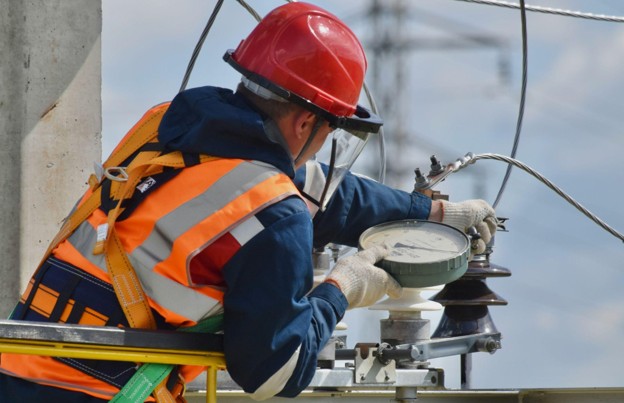
There is no single answer, because the right interval depends on the environment and how the equipment is used.
A piece of gear on a dusty construction site faces far more stress than the same item in a quiet office.
As a rule, higher-risk and high-traffic workplaces need more frequent testing than low-risk ones. A qualified provider can recommend a schedule that suits your specific equipment and setting.
The standard provides recommended intervals as a starting point for different environments. From there, a sensible schedule balances safety, practicality and the realities of your day-to-day operations.
Keeping Records and Staying Compliant
Testing is only half the job, since the records it produces are just as important. Clear documentation proves that equipment has been checked and shows exactly when the next inspection is due.
These records are invaluable during safety audits, insurance reviews and work health and safety checks.
Many providers now deliver digital reports, which makes storing and retrieving this information far easier.
Digital records are also easy to share with auditors, managers and insurers when needed. That accessibility turns compliance from a filing headache into a quick, confident answer.
Choosing a Test and Tag Provider
A good provider does more than attach tags, since the quality of the inspection and the records really matters.
Look for technicians who follow the standard, use compliant equipment and supply clear digital reporting.
Local knowledge and reliable scheduling are valuable too, especially for businesses with multiple sites.
A provider who turns up on time and documents everything properly saves you both stress and risk.
Making It Part of Your Routine
The easiest way to stay compliant is to treat testing as a regular, scheduled task rather than a one-off.
Setting recurring intervals means inspections happen on time without anyone having to remember.
This proactive approach keeps your workplace consistently safe and your paperwork always up to date. It also removes the last-minute scramble when an audit or insurance renewal comes around.
The Bottom Line
Test and tag is a small, routine investment that protects people, equipment and your business. It reduces the risk of electrical accidents while keeping your compliance documentation in good order.
For workplaces in Kiama and across the Illawarra, regular testing is a straightforward way to stay safe and audit-ready. Build it into your schedule, and electrical safety becomes one less thing to worry about.
Frequently Asked Questions
What does test and tag actually check?
It checks that portable electrical equipment is safe through a visual inspection and an electrical test.
Each item is then tagged with a pass or fail result and recorded for your safety documentation.
Is test and tag a legal requirement?
Work health and safety laws require businesses to keep electrical equipment safe, and testing and tagging is the accepted way to meet that duty. The AS/NZS 3760 standard guides how the testing should be carried out.
How often does equipment need testing?
It depends on the workplace, since higher-risk environments need more frequent checks than low-risk offices. A qualified provider can set an interval that matches how your equipment is used.
What records do I receive after testing?
You receive digital reports listing every item tested along with its result and next due date. These records suit work health and safety documentation, audits and insurance requirements.
Can I do test and tag myself?
Testing must be carried out by a competent person using compliant equipment and following the standard. Most businesses find it simpler and safer to use a qualified provider who handles the process from start to finish.