
A straighter smile can change more than the way your teeth look. It can improve your confidence, make daily oral care easier, and even support better long-term dental health. The challenge is knowing which orthodontic treatment is right for you. With different options, varying costs, and treatment timelines to consider, it’s easy to feel overwhelmed before you’ve even booked a consultation. If you’re in or around Twinsburg, Ohio, taking a little time to understand your goals, compare your options, and find a provider who fits your needs can make the entire process feel much simpler from the very beginning.
Why The Right Fit Matters
Orthodontic treatment is not just about getting straight teeth for school photos or wedding pictures. It can also help with bite issues, cleaning habits, and day-to-day comfort. That means the person guiding your treatment should be someone who explains things clearly and makes you feel at ease.
If you are looking for the best orthodontist in Twinsburg Ohio, it helps to choose a provider who offers real support, not just a quick sales pitch. You want someone who listens to your concerns, explains your treatment clearly, and makes sure you know what to expect every step of the way.
The right fit can make a huge difference, especially for kids and teens who may already feel nervous. A calm office, friendly staff, and clear communication can turn a stressful appointment into something your family can actually handle without dramatic sighs in the parking lot.
Know Your Treatment Options
You do not need to become an orthodontic expert to make a smart choice. You just need a basic idea of what each option does. Traditional braces are the classic choice. They use metal brackets and wires to move teeth over time. They are reliable and often great for more complex issues.
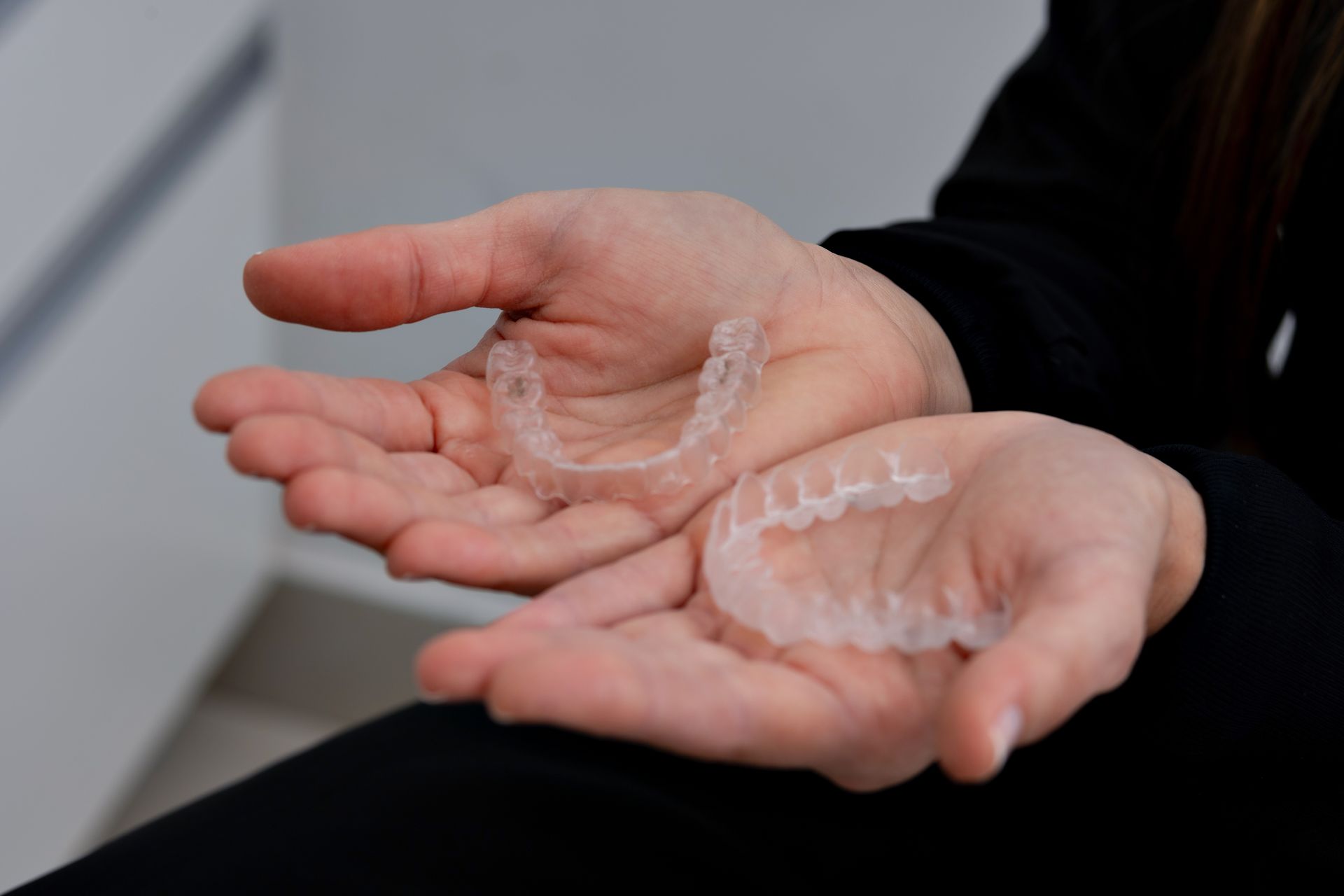
Clear braces work in a similar way, but they are less noticeable. Some people like them because they blend in better, especially older teens and adults. Clear aligners are another option. These are removable trays that gently shift teeth and can be convenient if you want something less visible.
The best option depends on your habits and needs. If your child tends to lose things, removable aligners may not be the dream solution. If you play sports or a musical instrument, comfort may matter more. The goal is not picking the fanciest treatment. It is picking the one you can actually stick with every day.
Ask Better Questions
A consultation is your chance to learn, not just nod politely and hope for the best. Good questions can help you spot whether a treatment plan really fits your life. Start with the basics. Ask how long treatment may take and how often visits will be needed.
You should also ask what happens if something breaks or starts hurting between appointments. That answer matters more than people think. Life happens. Wires poke. Brackets pop loose. Kids eat things they definitely should not. It is better to know the office has a plan than to panic later.
A few helpful questions include:
- What treatment options make the most sense for you
- How much will the total cost likely be
- Are payment plans available
- What kind of follow-up care is included
- How should you handle emergencies
When a provider answers with patience and clarity, that is a very good sign. If everything sounds rushed or confusing, trust your gut.
Think About Daily Life
Orthodontic treatment becomes part of your routine, so it should work with real life. Think about school mornings, work schedules, after-school sports, and family dinners. Braces and aligners both come with daily habits, and some are easier to manage than others.
For example, braces may mean avoiding sticky candy, popcorn, and crunchy snacks that could damage brackets. Aligners need to be worn consistently, which means remembering to put them back in after eating. That sounds simple until you are halfway through lunch and chatting with friends.
You should also think about comfort during activities. Athletes may need a special mouthguard. Musicians who play certain instruments may need time to adjust. Adults with busy workdays may prefer an option that feels more discreet. None of these details are tiny. They shape how smoothly treatment fits into your life.
The easier the routine feels, the more likely you are to stay on track. And that means fewer setbacks and less frustration along the way.
Compare Cost And Value
Cost matters, and there is nothing shallow about saying so. Orthodontic treatment is an investment, so it makes sense to look at the full picture. The cheapest option is not always the best one if it comes with poor communication, inconvenient scheduling, or extra surprise costs.
Ask for a clear breakdown of fees. You should know what is included, what insurance may cover, and whether payment plans are available. Many families find that manageable monthly payments make treatment much more realistic.
Value also includes convenience and support. An office that runs on time, explains billing clearly, and responds quickly can save you a lot of stress. That kind of service may be worth more than a slightly lower price at a place that leaves you guessing.
Try to think long-term. Better care now can mean fewer problems later. You are not just paying for braces or aligners. You are paying for guidance, follow-up, and a smoother path to the results you want.
Watch For Comfort Cues
Sometimes you can tell a lot about an office before anyone even looks at your teeth. Pay attention to how the place feels. Is the front desk welcoming or icy enough to freeze your confidence on the spot? Are things clean, organized, and calm?
Notice whether the staff explains things in a way that makes sense. You should never feel silly for asking a question. A good office knows that most people are not orthodontic pros, and they should not expect you to act like one.
Comfort also shows up in small ways. Are appointment options practical for your schedule? Does the orthodontist seem patient and attentive? Do they speak to your child kindly instead of talking over them? Those little moments matter.
If you leave feeling informed and respected, that is a strong clue you are in the right place. If you leave more confused than when you arrived, that is worth noticing too. A healthy smile journey should not begin with a giant headache.
Plan For A Smooth Start
Once you feel ready to move forward, a little planning can make the first few weeks much easier. Gather your questions before the appointment so you do not forget them in the moment. Check your calendar and think about the best timing for visits, especially during school seasons or busy work months.
At home, set expectations early. If your child is getting braces, talk about food changes and brushing habits in a calm, practical way. If you are starting aligners, think about where you will keep the case so they do not end up wrapped in a napkin and accidentally tossed away.
It also helps to stock up on a few basics:
- Soft foods for the first days
- Orthodontic wax if recommended
- A travel toothbrush
- A small kit for school or work
Starting treatment does not have to feel intimidating. With the right questions and a realistic plan, you can begin with more confidence and a lot less stress. That is a win worth smiling about.
The owners and authors of Cinnamon Hollow are not doctors and this is in no way intended to be used as medical advice. We cannot be held responsible for your results. As with any product, service or supplement, use at your own risk. Always do your own research and consult with your personal physician before using.


