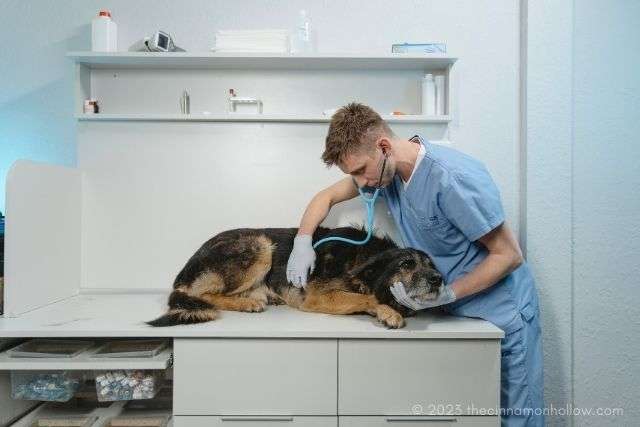
The vet says months, maybe less, and you nod like you understand. You do not, not yet. You drive home with the dog in the back seat, same as always, and by the time you pull into the driveway you are crying for an animal who is very much alive and currently trying to lick your ear.
That is the odd, lonely thing nobody warns you about. The grief over losing a pet does not wait politely for the end. It turns up early, while they are still here, and it can leave you convinced you have done something wrong.
You have not.
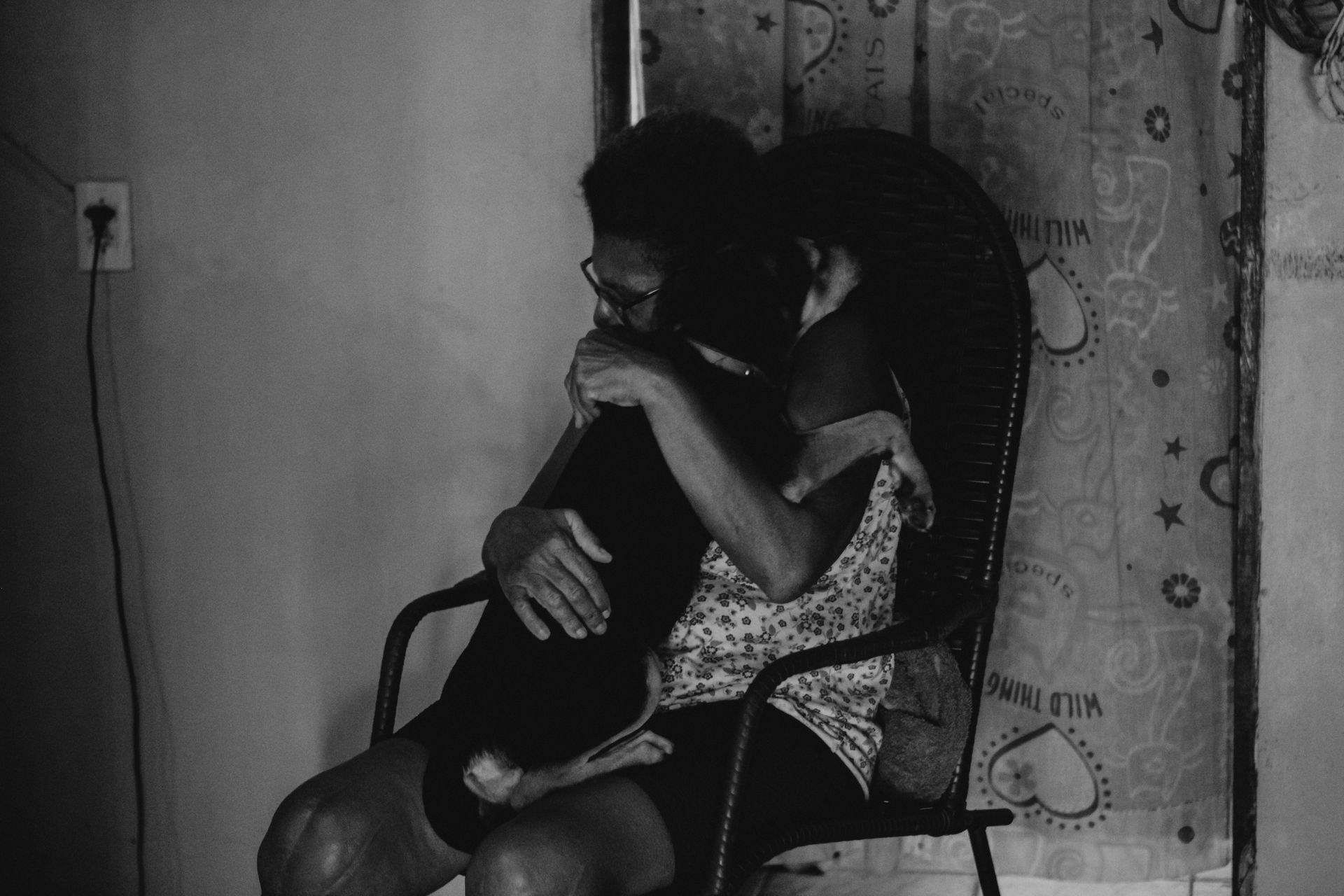
Grief That Shows Up Before The Loss
There is a name for this. Anticipatory grief. Human bereavement counsellors have written about it for decades, usually with families sitting beside a dying relative. After enough years of home visits, we can tell you it looks almost exactly the same when the patient has four legs and a favourite spot on the couch.
It is a messier feeling than ordinary grief, mind you. Sadness, of course, but tangled up with dread, and a low hum of guilt that catches most people off guard. You picture the house afterwards, quiet, one less bowl by the back door, and then you hate yourself a little for having pictured it at all.
Please do not. Imagining the loss is not the same as wanting it. Feeling it early does not mean you have given up on anyone. Mostly it just means you love them, and your heart has started to brace.
The Quiet Exhaustion Of Caring For A Dying Pet
People assume the hard part is the sadness. Often it is the logistics.
Tablets that have to go down at seven, then again at seven. A dog who used to inhale his dinner now turning his nose up, so you are warming things and hand-feeding and reading forums at midnight. Accidents on the kitchen floor at 3am. Vet bills that keep quietly climbing. And under all of it, a sort of alertness that never fully switches off, because you are watching for signs, always, reading every sigh and every slow morning like a message you are frightened of misreading.
That state has a name too. Caregiver burnout. It is not a weakness or a failing. It is simply what happens when you run on adrenaline and heartbreak for weeks together, and it can tip into real depression if nobody says so out loud. So consider it said.
The Question That Keeps Everyone Awake: Is It Time?
Nearly every family we meet circles the same drain. How will I know? And whatever I choose, how do I live with it afterwards?
This is where anticipatory grief bites hardest. You are being asked to hold love and suffering on the same set of scales and somehow read off the result.
It helps to have something steadier than your own 2am spiralling to lean on. A quality of life assessment for pets does precisely that. Tools like the widely used HHHHHMM scale, developed by the veterinary oncologist Dr Alice Villalobos, ask you to score the honest, unsentimental things: hurt, hunger, hydration, hygiene, happiness, mobility, and whether the good days still outnumber the bad ones. A vet works through it alongside you. It will not tell you what to do, and it should not. What it does is drag the decision out of the fog and into daylight, where you can actually look at it properly. Almost everyone we have sat with says the same thing later on. Seeing it clearly was the part that finally let them trust themselves.
Keeping Your Own Head Above Water
You cannot pour from an empty bowl, and yet the carer is always the last one anybody thinks to look after.
Say the feelings out loud. Write them down if that comes easier. Bottled up, they only leak out sideways, usually at the worst possible moment. Let people in, even when their help is small and a bit clumsy, a friend on your sofa, someone leaving a lasagne on the step. And grieve now if you need to. You do not have to wait for permission, and you certainly do not need anybody else to sign it off.
One more thing, because it matters more than the rest. There is normal, wretched grief, and then there is grief that has quietly turned into something heavier. If you stop sleeping or eating for days on end, pull away from everyone who loves you, or start feeling that nothing has a point anymore, that is your cue to speak to your GP or a counsellor who understands pet loss. Reaching out is not falling apart. It is the sensible thing to do.
Making The Time That Is Left Mean Something
Here is the part people tend to miss. Knowing the goodbye is coming is, in its strange way, a gift. It hands you time you would not otherwise have been given.
We have watched families do lovely, completely ordinary things with it. A bucket list scrawled on the back of an envelope. One last wander down to the beach. A steak the vet would absolutely not sign off on. None of it has to be grand. What stays with you afterwards is never the size of the gesture. It is the old blanket, the photo from a good afternoon, the plain fact that you were there for it.
Love, Arriving A Little Early
If you want a kinder way to hold anticipatory grief, try this one. It is love, doing its arithmetic in advance. The ache you feel now is simply the size of the joy, turning up ahead of schedule because your heart cannot help itself.
You do not have to carry any of this alone. Talk to your vet about the road ahead. Talk to a counsellor if the weight of it gets too much. And find the people who already know that losing an animal can hollow you out as thoroughly as losing anyone else, because a great many of us do know. Take it one day at a time. That really is enough.

Meg is an author at Cinnamon Hollow. She writes on a variety of topics sharing tips and ideas for daily life.