Being told you need a CT scan can bring up a lot of questions, especially if it is your first time. Will it hurt? Do you need to prepare beforehand? And perhaps most practically, how much of your day will it actually take up? The good news is that CT scans are one of the quicker imaging procedures available, and knowing what to expect can take a lot of the anxiety out of the process.
CT imaging has become an incredibly common part of modern healthcare. According to Harvard Health Publishing, more than 80 million CT scans are performed in the United States every year, compared to just three million back in 1980. That kind of growth reflects just how useful and routine this type of imaging has become for diagnosing everything from infections to injuries.
If you are wondering what the experience is really like from start to finish, the key things to know are mentioned below.
1. The Actual Scan Takes Only Minutes
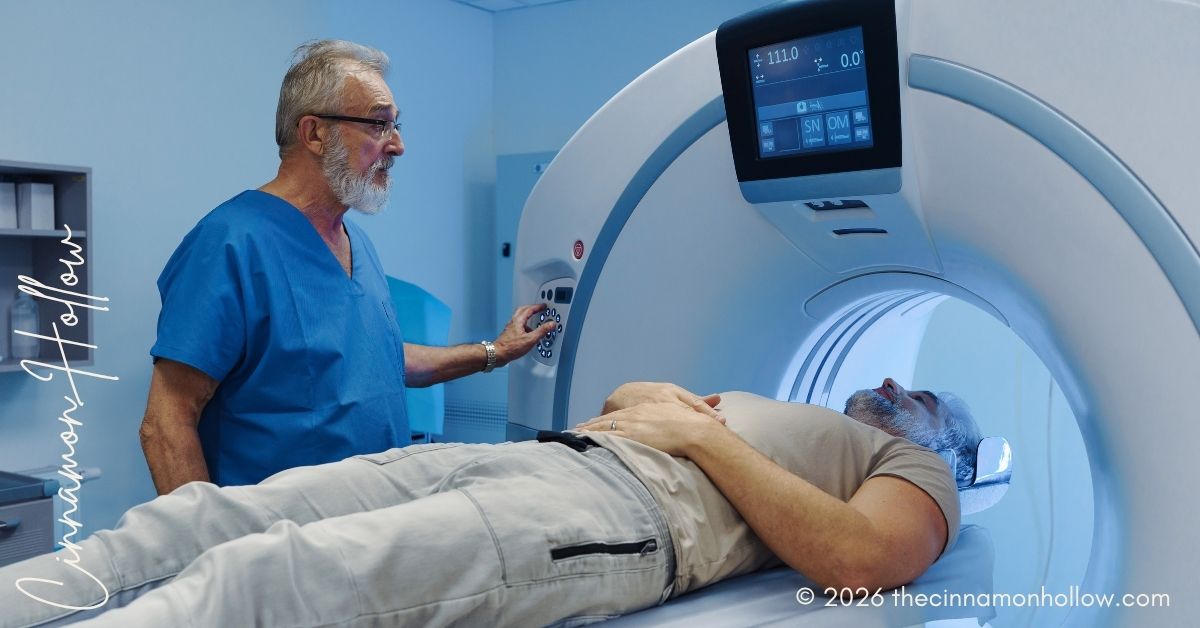
This is usually the most surprising part for first-time patients. The scanning itself, the part where you are lying on the table while the machine takes images, typically takes somewhere between five and twenty minutes, depending on the body area being examined and how many sections need to be captured.
A scan of a single area, like the head or a specific joint, is often on the faster end, while a full abdominal or full-body scan naturally takes a little longer since more images are involved.
2. Your Total Visit Will Take Longer Than the Scan
While the scan itself is quick, your overall appointment usually takes closer to thirty minutes to an hour once you factor in everything around it.
• Checking in and confirming your medical history
• Changing into a gown if required for your specific scan
• Drinking or receiving contrast dye, if your scan requires it
Planning for the full visit, rather than just the scan time, helps you avoid feeling rushed or arriving with too little time set aside.
3. Contrast Dye Changes the Timeline
Many CT scans use a contrast dye to make certain tissues, blood vessels, or organs show up more clearly on the images. If your scan requires oral contrast, you may need to arrive up to an hour early to drink it and give it time to move through your digestive system before scanning begins.
Intravenous contrast, given through a small needle in your arm, adds less time overall since it works almost immediately, but it does require a brief check of your kidney function beforehand in most cases.
4. What Actually Happens During the Scan
A CT scanner looks like a large ring or donut shape, and you lie on a table that slides slowly through the centre. Unlike an MRI, a CT scan is not enclosed, which makes it a more comfortable option for anyone who feels uneasy in tight spaces.
You will likely be asked to hold still and, for certain scans, briefly hold your breath for a few seconds at a time. The machine itself makes a soft whirring or clicking sound as it rotates around you, which can feel unfamiliar but is completely normal.
5. Preparing Ahead Makes Everything Smoother
A little preparation the day before your appointment can make the whole experience noticeably easier. Wearing comfortable clothing without metal fasteners, avoiding certain foods if contrast is involved, and confirming instructions ahead of time all help the visit go smoothly.
Patients who look into how long does a CT scan take at their specific imaging centre ahead of time tend to feel far more relaxed walking in, since they already know what to expect from check-in through to walking back out. Impact Health and similar imaging providers typically list preparation instructions on their website or over the phone, which is worth reviewing a day or two before your visit.
It also helps to tell the technologist about any allergies, kidney issues, or previous reactions to contrast dye before your scan begins, since this information affects which type of contrast, if any, is used for your specific procedure.
What Happens After the Scan
In most cases, you can return to your normal activities immediately after a CT scan, including driving yourself home. If you received contrast dye, drinking extra water afterward helps flush it out of your system a little faster.
Results are typically reviewed by a radiologist and sent to your referring doctor within a day or two, though urgent cases are often reviewed and communicated much faster.
Final Thoughts
A CT scan is one of the faster, more straightforward imaging procedures available, even though the overall appointment can take a bit longer once check-in and any required contrast are factored in. Knowing what to expect ahead of time turns an unfamiliar procedure into a routine, manageable part of your healthcare.
If you still have questions before your appointment, calling the imaging centre directly is always a good idea, since preparation instructions can vary slightly depending on which part of the body is being scanned.
The owners and authors of Cinnamon Hollow are not doctors and this is in no way intended to be used as medical advice. We cannot be held responsible for your results. As with any product, service or supplement, use at your own risk. Always do your own research and consult with your personal physician before using.

Meg is an author at Cinnamon Hollow. She writes on a variety of topics sharing tips and ideas for daily life.