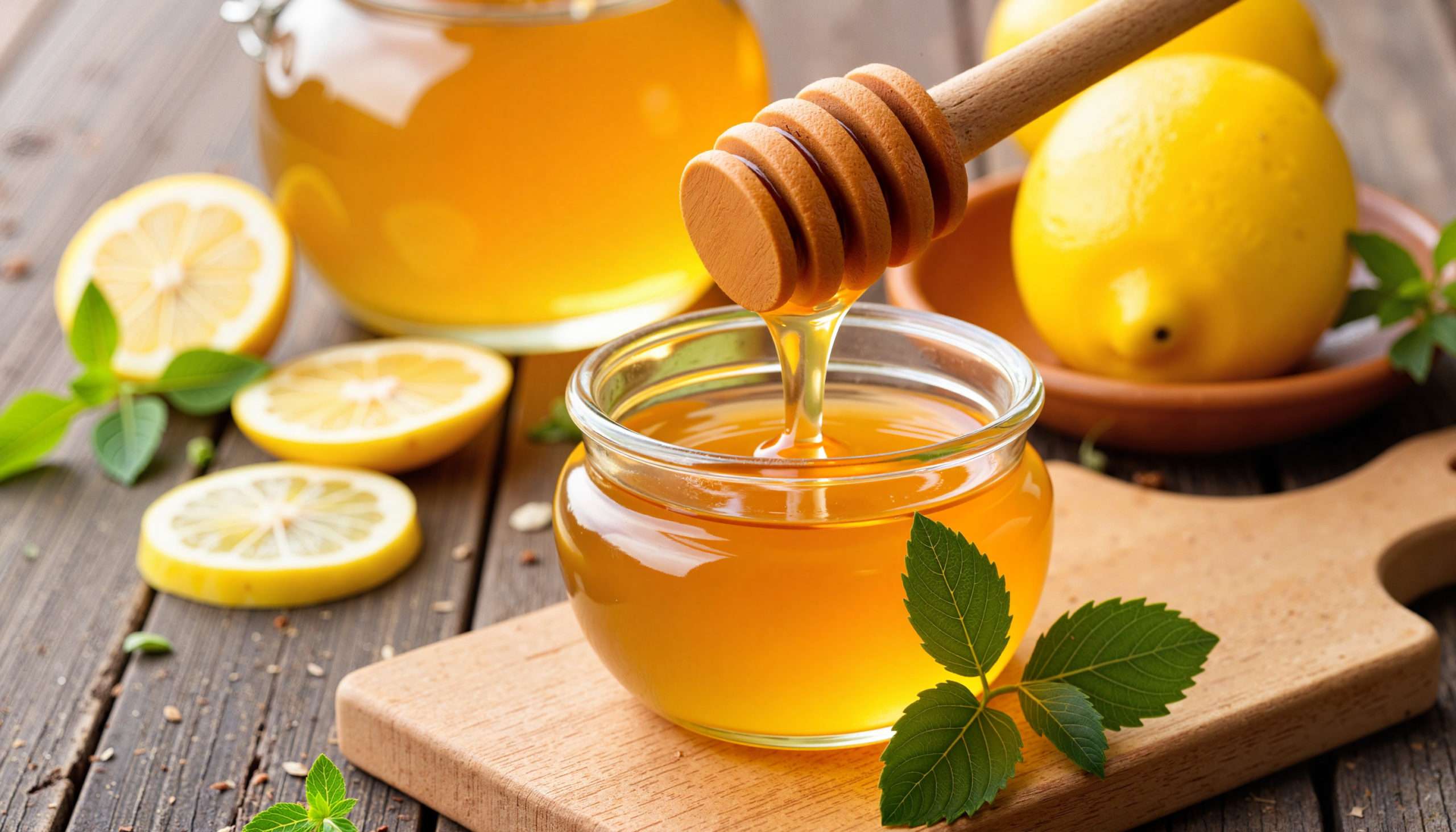
Honey’s been part of human diets and food traditions for thousands of years now. All honey starts the same way — nectar collected by bees — but what it actually turns into can vary a lot depending on the plants involved, the region it’s produced in, and how it’s processed afterward. Among the many varieties out there, Manuka Honey’s earned particular attention for its distinctive makeup and the naturally occurring compounds it carries.
Raw honey’s getting more attention too, mainly from people wanting to understand how processing shapes the qualities of this pretty traditional food. Looking at both varieties side by side gives a good sense of what actually separates one jar of honey from another.
What Actually Makes Manuka Honey Different?
Manuka honey comes from bees collecting nectar off Leptospermum plants, commonly associated with Australia and New Zealand. That nectar is what gives the honey its distinctive flavour, aroma, and chemical profile.
One of the most talked-about compounds in Manuka honey is methylglyoxal — usually just called MGO. MGO’s tied to the non-peroxide antibacterial activity that Manuka honey’s so widely studied for. Concentration varies a fair bit between batches, which is exactly why some Manuka products list an MGO number right on the label.
That MGO number isn’t just a general quality score, either — it’s the actual measured concentration of methylglyoxal in the honey. A product labelled MGO 500+, for example, is stating a minimum level of 500 milligrams of MGO per kilogram of honey. Independent testing can help confirm those claims hold up.
Understanding Raw Honey
Raw honey generally refers to honey that hasn’t gone through heavy high-temperature processing. Depending on the producer and how they define it, raw honey might still be strained or filtered to clear out unwanted particles — while keeping more of its natural character intact.
Since honey’s a genuinely natural product, raw varieties can differ a lot in colour, aroma, texture, and flavour. Some come out light and floral; others lean into deeper caramel, herbal, or earthy notes.
Raw honey can also crystallise over time. That’s a completely natural process caused by the sugars in the honey itself — it doesn’t mean the honey’s gone bad. Temperature, floral source, moisture content, and glucose levels all play into how fast crystallisation happens.
MGO, NPA, and Other Honey Measurements
Anyone researching Manuka honey runs into a handful of different terms pretty quickly. MGO’s one of the more straightforward ones since it points to an actual measurable chemical compound.
NPA — Non-Peroxide Activity — is another. It describes antibacterial activity that remains once peroxide-related activity’s been factored out. Some Manuka honey products list both MGO and NPA on the same label.
Certification systems add another layer of information around authenticity and composition. The UMF system used for New Zealand Manuka honey, for instance, weighs several factors together — MGO, leptosperin, DHA, and HMF. Each of those measurements speaks to something different — potency, authenticity, shelf stability, freshness.
That matters because honey quality genuinely can’t be judged by colour or flavour alone. Lab testing and traceability give real insight into what’s actually in a particular batch, beyond what the jar looks like on a shelf.
How Honey Actually Gets From Flowers to the Jar
The whole process starts with bees collecting nectar from flowers. They transform and store that nectar in honeycomb, where enzymes and evaporation slowly reshape its composition over time. Beekeepers then harvest the mature honeycomb and extract the honey from it.
The botanical source really shapes the final product. Manuka honey’s tied specifically to Leptospermum plants, while other honey types come mostly from clover, eucalyptus, orange blossom, wildflowers, or plenty of other plants depending on where the bees are foraging.
For Australian Manuka honey specifically, companies like Gather By describe sourcing honey from bees foraging on Australian Leptospermum plants, then using lab testing to verify the actual MGO levels before it goes to market.
Everyday Uses of Honey
At its core, honey’s a food — a natural sweetener. It goes into tea, yoghurt, porridge, smoothies, dressings, sauces, baked goods, wherever it fits. Its flavor profile also shapes how it works in different recipes.
Raw honey might get picked when someone prefers a less processed food, while Manuka honey might get chosen for its distinctive flavour and measurable MGO content. Neither trait automatically makes one type better suited for every use — it really comes down to individual preference and dietary needs.
Worth being clear here too — food use and medical treatment aren’t the same thing. Manuka honey’s been studied scientifically, sure, but food products shouldn’t automatically be treated as a substitute for professional medical care. Gather By’s own position is that its Manuka honey is sold as a food product, not a disease treatment.
Choosing Honey With Better Information
When comparing honey options, it’s worth looking past attractive packaging and actually checking the product’s origin, botanical source, processing description, testing info, and storage guidance.
For Manuka honey, an independently verified MGO value gives real insight into what’s actually in the product. For raw honey, understanding how it was harvested and processed helps clarify what “raw” actually means for that specific producer — since the term isn’t always used the same way across the board.
At the end of the day, honey’s a natural agricultural product, and that variation is part of what makes it genuinely interesting. Understanding where it comes from, how it’s processed, and what those label measurements actually mean lets consumers make more informed choices — instead of just going off marketing claims.
The Growing Interest in Traditional Honey
Interest in specialty honey fits into a bigger shift toward understanding where food actually comes from. People increasingly want to know which plants contributed to a product, where it was harvested, and how it made its way to the final jar.
Manuka Honey and Raw Honey are two good examples of that trend. One’s recognised for the distinctive characteristics tied to Leptospermum nectar and MGO; the other highlights the natural qualities that can survive when honey goes through limited processing.
Understanding these differences makes it a lot easier to appreciate honey as more than just a sweetener — it’s a natural food genuinely shaped by plants, bees, geography, climate, and how it’s produced along the way.
The owners and authors of Cinnamon Hollow are not doctors and this is in no way intended to be used as medical advice. We cannot be held responsible for your results. As with any product, service or supplement, use at your own risk. Always do your own research and consult with your personal physician before using.

Hi, I’m Crystal – a Kentucky-based Aromatherapist, wife, mom and the voice behind The Cinnamon Hollow. I share cozy, real-life inspiration for healthier routines, simple home living, essential oil use and safety, beauty, pets, and family adventures. From everyday tips to travel guides, my goal is to help you create a warmer life and embrace each day as its own little adventure. Always remember to live life, one adventure at a time! read more