You might be feeling a mix of relief and frustration right now. You finally have your new dentures from a denturist in Ottawa, you can smile again and eat more comfortably, yet speaking feels strange. Your tongue hits the teeth in a different way, certain words come out muffled, and you may hear a faint lisp that you never had before. It can be embarrassing, especially if you speak a lot at work or around family.end
If you are honest, you might be wondering, “Is this my new normal?” The short answer is no. Your mouth is learning a new pattern, and like any new habit, it takes practice. This guide walks you through three simple speech exercises to help you adapt to your dentures, explains why speech changes happen, and shows you what to watch for so you know when to get help from a denture and implant dentist.
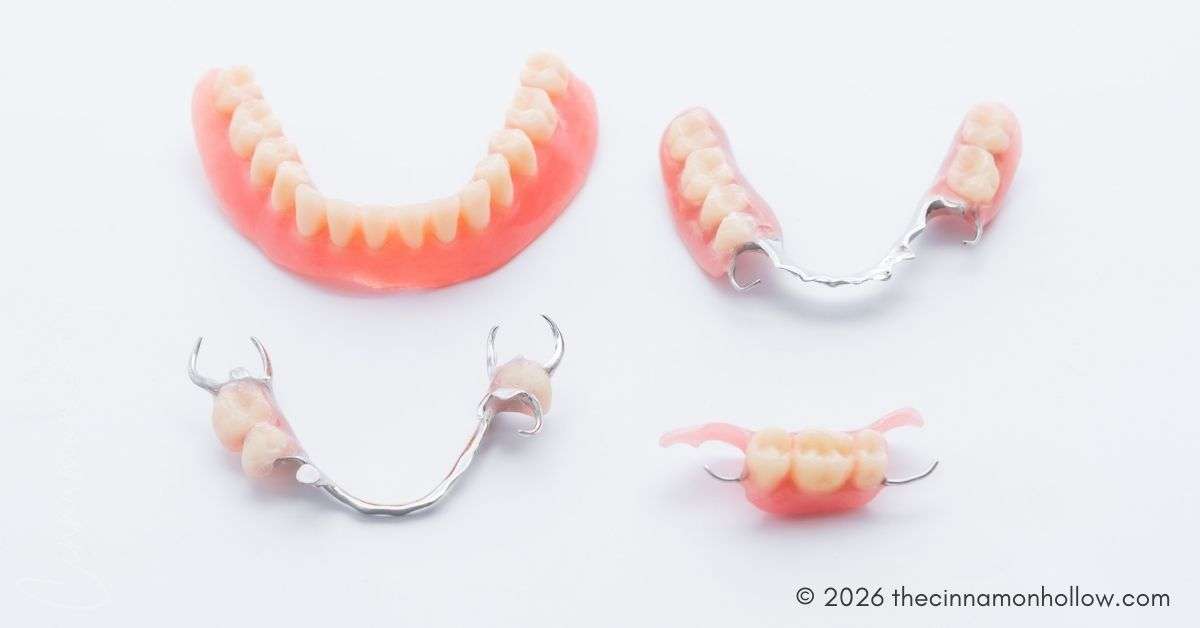
Why Do New Dentures Make Talking So Awkward?
Before you work on exercises, it helps to understand what is actually happening in your mouth. When you first get complete or partial dentures, your brain is suddenly dealing with a different shape and thickness in your mouth. Your tongue, cheeks, and lips have been “trained” for years to move around your natural teeth. Now the space is different, and your muscles are trying to figure out where to go.
Because of this tension between what feels normal and what now exists, you might notice specific speech issues. Common ones include a slight lisp on “s” sounds, difficulty with “sh,” “ch,” or “th,” and a sense that your dentures might move when you say certain words. Sometimes extra saliva makes it even harder, which is very common with new dentures as your mouth reacts to the new appliance.
That can feel discouraging. You might start speaking less, avoiding phone calls, or laughing with your lips closed. The emotional cost is real. You finally fixed one problem, only to feel like another one appeared in its place.
So where does that leave you? You need a clear path between “this feels awful” and “this feels normal again.” That path is practice. Targeted speech practice can retrain your tongue and lips to use your new dentures smoothly. A good place to start is understanding how dentures fit into your overall oral health, and resources like the U.S. National Library of Medicine’s overview of dentures and oral care basics can provide helpful background as you adjust.
What Makes Speech Practice With Dentures So Important?
Think of your dentures as part of your body’s daily system, not just a removable object. Just as you learned to walk in new shoes, you can learn to speak clearly with your dentures. When you skip this adaptation phase, you may stay in that uncomfortable in-between zone where you never feel fully confident speaking, laughing, or reading aloud in front of others.
Here is the deeper problem. If you are nervous about your dentures slipping, you might hold your jaw tight or speak less clearly to “protect” them. That can actually make speech worse. Some people even avoid social events or work meetings because they fear being judged. Over time, that isolation can affect your mood and your quality of life.
The solution is not to “push through” in silence. It is to treat speech adaptation as part of your denture care plan. Just like cleaning, soaking, and regular checkups, speech practice deserves a place in your routine. Taking care of your mouth as a whole, including gums and any remaining teeth, supports better denture comfort and better speech. For a broader look at long term mouth care, the National Institute on Aging offers guidance on caring for your teeth and mouth as you age.
How Do These 3 Speech Exercises Help New Denture Wearers?
The following three exercises are designed specifically for speech training with dentures. They are simple, private, and can be done at home. The key is consistency. A few minutes every day often matters more than one long session once a week.
Exercise 1: Slow, Exaggerated Reading Aloud
This is the foundation exercise. Choose any simple text. It could be a short story, a news article, or even a children’s book. Sit upright with your dentures in, and read out loud much more slowly than usual. Exaggerate your mouth movements. Open your lips wider on vowels, fully press your tongue against your upper teeth on “t,” “d,” and “n,” and feel how your dentures stay in place.
Focus on problem sounds. Many new denture wearers struggle with “s” and “sh.” Try sentences like “Sally sells seashells by the seashore” and “She shared her shoes with Sherry.” If you hear a slight whistle or lisp, that is your cue to slow down and adjust your tongue position. Over time, your tongue will find its new “home” against the denture teeth.
Exercise 2: Word Lists For Tricky Sounds
This exercise targets sounds that often feel different with dentures. Common ones include “s,” “z,” “sh,” “ch,” “j,” and “th.” Create small word lists, or search online for “speech sound word lists.” Start with single words like “sea, see, sip, soap, shoes, ship, chip, cheese, this, that, those.” Say each word slowly, paying attention to where your tongue touches and how your dentures feel.
Then build up to short phrases. For example, “thin thread,” “fresh fish,” “cheap cheese,” “these things.” The goal is not speed. The goal is accuracy and comfort. If your dentures lift or click during certain sounds, make a note. That is useful information to share with a denture and implant dentist if the problem continues.
Exercise 3: Conversation Rehearsal For Real Life Situations
This exercise prepares you for actual speaking moments that matter. Think about what you say most often. Maybe it is answering the phone, greeting clients, ordering at a restaurant, or introducing yourself. Write down a few common sentences, such as “Hi, this is Maria speaking,” “How can I help you today,” or “I would like a coffee with sugar, please.”
Practice these lines out loud in front of a mirror. Watch your lips and jaw. Listen to your own voice. If you feel self conscious, remind yourself that this is training, not a performance. The more familiar your mouth becomes with these everyday phrases, the less you will worry in real situations.
Comparing Your Options: Practice Alone Or Ask A Denture And Implant Dentist For Help?
Some people manage speech changes on their own with practice. Others need adjustments to their dentures or guidance from a professional. Both paths are valid. The right choice depends on how severe your speech problems are and how long they have lasted.
The table below compares self guided practice with professional support, so you can see where you might fit.
| Approach | What It Involves | Best For | Possible Limitations |
|---|---|---|---|
| Self Guided Speech Practice | Daily reading aloud, word lists, and conversation rehearsal at home | Mild lisp or slight awkwardness during the first few weeks with new dentures | May not fix issues caused by poor denture fit or incorrect bite |
| Professional Adjustment By A Denture And Implant Dentist | Checking fit, adjusting pressure spots, refining bite, and advising on speech | Speech problems that persist beyond a few weeks, pain, sore spots, or dentures that move when talking | Requires appointments and potential cost, though it often prevents bigger problems later |
| Combined Approach | Regular home exercises plus periodic checkups and adjustments | Most new denture wearers who want the fastest, most stable results | Needs commitment to both practice and follow up visits |
If you are unsure where you are on this scale, pay attention to signs like ongoing soreness, rubbing, or dentures that “click” or lift when you speak. Government health resources outline what well fitting dentures should feel like, including how they should behave during speech and chewing. You can review more guidance on dentures, comfort, and adjustment tips if you want an extra reference point.
3 Immediate Steps To Make Speaking With Dentures Easier
1. Set a Daily 10 Minute Practice Routine
Pick a consistent time each day, such as after breakfast or before bed. Spend 10 minutes reading aloud, working through tricky sound word lists, and practicing common phrases. Treat it like brushing your teeth. It is part of your routine, not an optional extra. Most people notice clearer speech within a few weeks when they stick with this kind of focused practice.
2. Track What Feels Wrong, Not Just What Sounds Wrong
As you practice, pay attention to sensations. Do your dentures rock or lift when you say certain sounds. Do you bite your cheek or tongue more often. Do you develop sore spots after talking for a while. Write these patterns down. This record is extremely helpful if you decide to visit a denture and implant dentist, because it shows exactly when and how your speech problems show up.
3. Give Yourself Permission To Ask For Adjustments
Many people silently struggle because they feel they “should” just get used to their dentures. While some awkwardness is normal at first, ongoing speech trouble is not something you have to accept. A well trained professional who focuses on dentures and implants can adjust the fit, refine the bite, and suggest targeted exercises. Speaking clearly with dentures is a realistic goal, not a luxury.
Finding Your New Normal With Denture Speech
You are not alone if you feel clumsy or embarrassed when talking with your new dentures. Your body is adapting to a real change, and that takes time. With consistent practice, patient self observation, and support when you need it, your speech can become natural again. Many people reach a point where they barely think about their dentures when they talk.
The most important thing is this. Do not let temporary speech changes convince you that you made a mistake. You chose treatment to restore function and confidence. With focused speech exercises and, when needed, guidance from a denture and implant dentist, you can move from feeling self conscious to feeling steady and sure when you speak.
The owners and authors of Cinnamon Hollow are not doctors and this is in no way intended to be used as medical advice. We cannot be held responsible for your results. As with any product, service or supplement, use at your own risk. Always do your own research and consult with your personal physician before using.

Meg is an author at Cinnamon Hollow. She writes on a variety of topics sharing tips and ideas for daily life.