Most HVAC systems don’t die without warning. They complain for weeks, sometimes months, with small but specific signals that are easy to dismiss as “just quirks.” The problem is that homeowners who wait until the unit stops working entirely tend to face the most expensive outcomes, usually on the hottest or coldest day of the year. Learning to read those signals early is the cheapest repair strategy there is. This isn’t a scare-tactics article. It’s a practical field guide for spotting real trouble before it turns into a complete system failure, a flooded utility room, or a miserable weekend waiting on an emergency technician.
How Much Is Actually at Stake?
Before anything else, it’s worth understanding what your HVAC system does to your energy bill. According to the U.S. Energy Information Administration’s 2020 Residential Energy Consumption Survey, more than half of a household’s annual energy consumption goes to just two end uses: space heating and air conditioning. That’s not a small line item. When your system starts losing efficiency before it fails, you feel it in your utility costs long before the unit actually quits.
A system running at 70% efficiency because a coil is dirty or a capacitor is struggling doesn’t announce itself. It just quietly costs you more each month. Air conditioning alone accounts for about 19% of electricity consumption in U.S. homes, according to the same EIA survey. When that share creeps up without a change in your habits, that’s a signal worth investigating. You can explore the EIA’s full residential energy data at eia.gov, which breaks down energy use by end category and region.
The Repair-or-Replace Matrix: A Framework That Actually Works
Here’s the decision tool I’d use if it were my house. It’s built on two variables: system age and repair cost as a percentage of replacement cost.
| System Age | Repair Cost Under 30% of Replacement | Repair Cost 30–50% of Replacement | Repair Cost Over 50% of Replacement |
| Under 8 years | Repair | Repair | Get a second opinion |
| 8 to 14 years | Repair | Evaluate carefully | Lean toward replace |
| 15 years or older | Repair if under warranty | Replace | Replace |
The 15-year mark is the pivot point. The U.S. Department of Energy’s Technical Support Documents for appliance standards define average product lifetime assumptions of 15 years for central air conditioners, 14 years for heat pumps, and 18 years for gas furnaces, figures used in federal cost-benefit analyses for efficiency regulations. Once your system is past that window and repairs are piling up, replacement math almost always wins. Before that age, the matrix tips toward repair unless the quote is truly alarming.
Seven Signals That Trouble Is Coming
These are the warning signs that deserve your attention, roughly ordered from “keep an eye on it” to “call someone today.”
- Short cycling. The unit turns on, runs for two or three minutes, shuts off, then restarts. This is usually a refrigerant, thermostat, or compressor issue. It also wears out components faster than continuous running would.
- Warm air from supply vents. If the air coming out feels closer to room temperature than cool, the refrigerant charge or compressor is the most likely culprit. Don’t assume the thermostat is wrong.
- Grinding or squealing sounds. Bearings wear out. A belt-driven unit that starts squealing is days away from failure, not weeks. A grinding compressor is expensive to ignore.
- Ice forming on the unit. Counterintuitive but true: ice on your indoor coil or refrigerant lines means something is restricting airflow or the refrigerant charge is low. Running a frozen unit causes compressor damage.
- Sudden spikes in your energy bill. A unit that’s losing efficiency works harder for the same output. If your bill jumps 15% or more without a weather explanation, your HVAC is a prime suspect.
- Moisture or pooling water. Some condensation around the drain pan is normal. Actual standing water or moisture on walls near the air handler is not, and it can lead to mold growth faster than most homeowners expect.
- Uneven temperatures between rooms. One room at 68 degrees and the bedroom down the hall at 78 is a duct, zoning, or blower motor problem. It gets worse, not better, on its own.
What Smart Homeowners Do Before a Breakdown Happens
The best HVAC strategy is boring: scheduled maintenance, filter changes, and knowing your system’s age. But there’s one upgrade that’s consistently underrated. The U.S. Department of Energy reports that homeowners can save up to 10% on annual heating and cooling costs simply by setting their thermostat back 7 to 10 degrees for eight hours a day. That’s real money. The EPA’s ENERGY STAR program independently documents average savings of approximately 8% on heating and cooling bills through smart thermostat use, with greater savings possible depending on climate and occupancy. The full ENERGY STAR guidance on certified smart thermostats is available at energystar.gov. Reducing unnecessary runtime also extends the life of your equipment, which matters a lot when replacement costs are what they are right now.
Beyond thermostat settings, the practical checklist for keeping a system out of emergency territory looks like this:
- Change the filter every 60 to 90 days, or every 30 days in high-use months. A clogged filter is responsible for more service calls than almost any other single cause.
- Schedule a professional tune-up once a year before peak season. Spring for cooling systems, fall for heating.
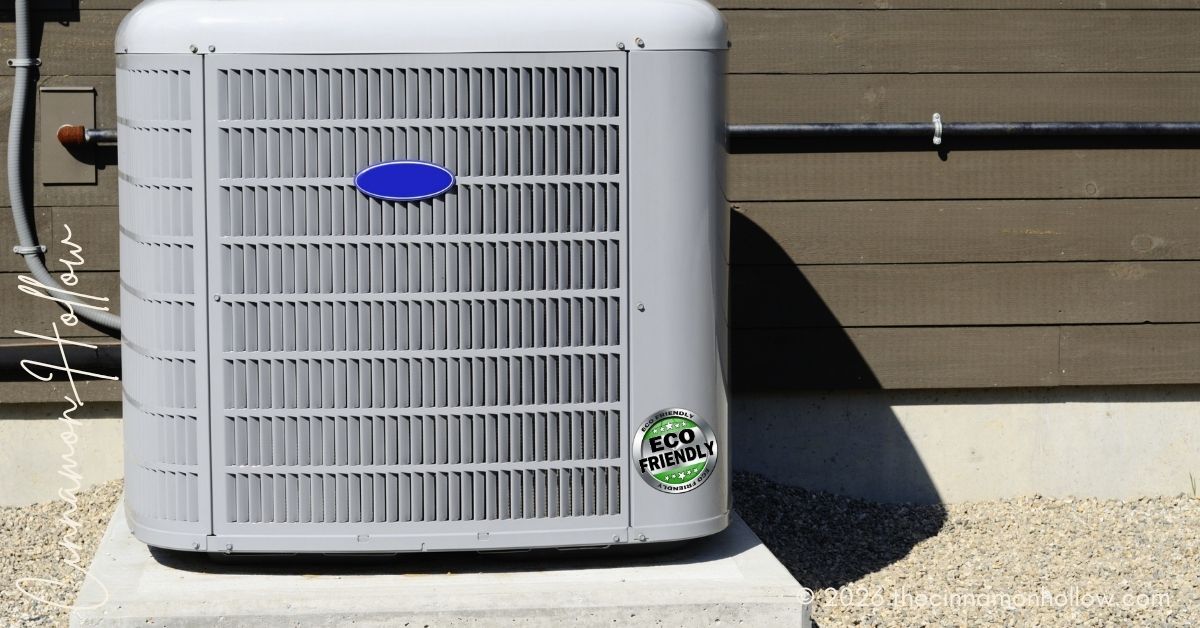
- Keep the outdoor condenser clear of debris, plant growth, and stored items. Airflow restriction on the outdoor unit causes strain that compounds over time.
- Know the age of your system. Check the manufacturer’s label on the equipment, or look up the serial number online. If you bought the house and don’t know the system’s age, find out this week.
- Write down any symptoms when you notice them. Dates, sounds, temperature behavior. A technician can diagnose faster, and you’re less likely to be quoted an unnecessary repair if you can describe what you’ve observed.
When the Warning Signs Are Already There
Picture this scenario: it’s mid-July in North Texas, outdoor temps are sitting above 100 degrees, and your system starts short cycling at 9 PM on a Friday. That is not a “wait and see” situation. In climates with that kind of summer heat, a failed system can make a house unsafe for elderly residents, young children, and pets within hours. The right move is an immediate call to an emergency service, not a plan to figure it out Monday morning.
Homeowners who’ve watched this situation play out know that having a trusted contractor relationship before an emergency makes every part of the experience better. Knowing who to call, knowing they’re licensed and local, and knowing they’ve seen your system before cuts the stress considerably. For residents in the DFW area, searching specifically for hvac emergency repair farmers branch puts you in front of providers who know the regional demand patterns and can respond appropriately when timing is critical.
The Bottom Line
Your HVAC system is telling you things all the time. Short cycles, strange sounds, climbing energy bills, and uneven temperatures are not personality quirks. They’re a system communicating that something is wrong and getting worse. The homeowners who catch those signals early, use the repair-or-replace framework honestly, and have a go-to contractor before an emergency hits are the ones who spend the least money and lose the least sleep. What would it cost you to spend 20 minutes this weekend just checking in on your system?