
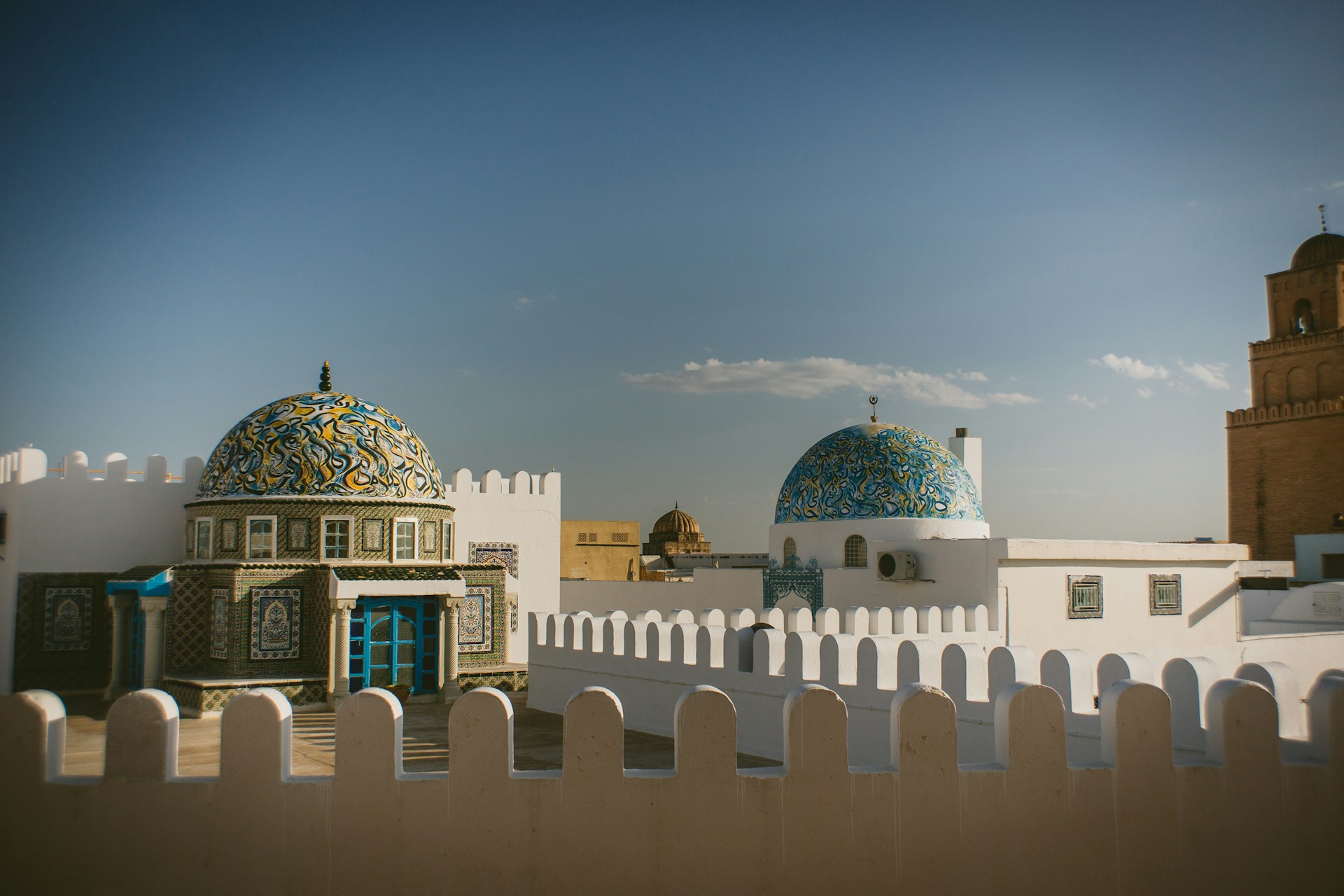
Sun, beaches of the Mediterranean, and the desert within a few hours’ drive from the sea — Tunisia sells itself easily. The difficulties don’t begin at the resort but in the first two hours after landing, when a tired family waits in line for their taxis. We explain how to plan your arrival for your vacation to start at the airport.
The First Two Hours Set the Tone for the Whole Vacation
Street taxis are everywhere in Tunisia, which is both a plus and a trap. Fares fluctuate, driver licenses are not always clear, and the language barrier turns price discussions into a separate adventure. With kids and suitcases, nobody usually needs that kind of adventure, especially closer to nightfall.
The alternative is simpler: Tunisia airport transfers are booked in advance, along with a specific car and driver, and the cost is visible before the trip and stays fixed afterward. Considering that after a long flight you do not feel like haggling, predictability here is worth more than saving money out of nowhere. The choice is not limited to a regular sedan: a spacious vehicle can be picked for a large family or group, and for those who want to enter their vacation in style, a limousine is available too.
Three Gateways to the Country
International flights land at three main hubs, and both the route and the drive time to your hotel depend on the chosen airport. Scheduled flights and charters arrive here, originating far beyond just Europe.
| Airport | City it serves | What it opens up |
| Tunis-Carthage International | Tunis | Ancient ruins and the capital’s medina |
| Monastir Habib Bourguiba International | Monastir | Coastal resorts along the eastern shore |
| Djerba-Zarzis International | Djerba | Island stays and the southern desert |
This is not a geographic difference between these gateways. Landing in Djerba, it goes without saying that switching to a relaxed island tempo will be easy, whereas Tunis-Carthage is better suited to city, history, and sea. Drivers on these routes are familiar with the area — more time-efficient than any navigation app. Not to mention that a vehicle reserved in advance does not have to be searched for at the end of the line of arriving vehicles.
When to Go and What to Put on the Itinerary
The peak season is from May until September — resorts are hopping and so is the price. In the summer, by contrast, the mercury coyly pushes its way up into the 30s by the sea; in winter, it’s a quieter, more comfortable 15 or 20. In the South of the country, people come to catch the sun in the winter, while in the Northern mountain regions, you will find cool weather and rainy conditions. By the way, it’s worth looking at the calendar separately because the local services and road congestion change on March 20 and January 14.
The list of reasons people travel here is fairly set:
- Ruins of Carthage near the capital, where Roman Africa comes alive in almost full scale;
- Beaches of Hammamet and Sousse, framed by palm trees;
- Medina of Tunis with its architecture and markets;
- Djerba island with its greenery and quiet villages;
- Desert landscapes and oasis hotels around Tozeur.
Combining all of this into one trip is realistic, though travel between spots should be planned in advance, well before booking hotels. The GetTransfer platform covers exactly this part of the logistics: cars are selected based on seat numbers and luggage volume, and drivers undergo background checks.
The Road Is Part of the Vacation
Tunisia remains a rare case where beach, history, and desert fit into a single short vacation. Such a trip usually breaks down not at the destination but at the connecting points: arrival, intercity travel, and searching for a car at the terminal exit. Therefore, you should plan not just the hotel but also the journey to get there.
Check out our Travel Adventure videos below!
[youtube-feed feed=6]

Meg is an author at Cinnamon Hollow. She writes on a variety of topics sharing tips and ideas for daily life.