Understanding Common Indoor Air Pollutants and Health Risks
The air we breathe indoors can be a complex mixture of various substances, some natural, some man-made, that can significantly impact our well-being. Identifying these “indoor toxins” is the first step toward creating a healthier living or working environment. Many of these pollutants are invisible and odorless, making professional assessment crucial.
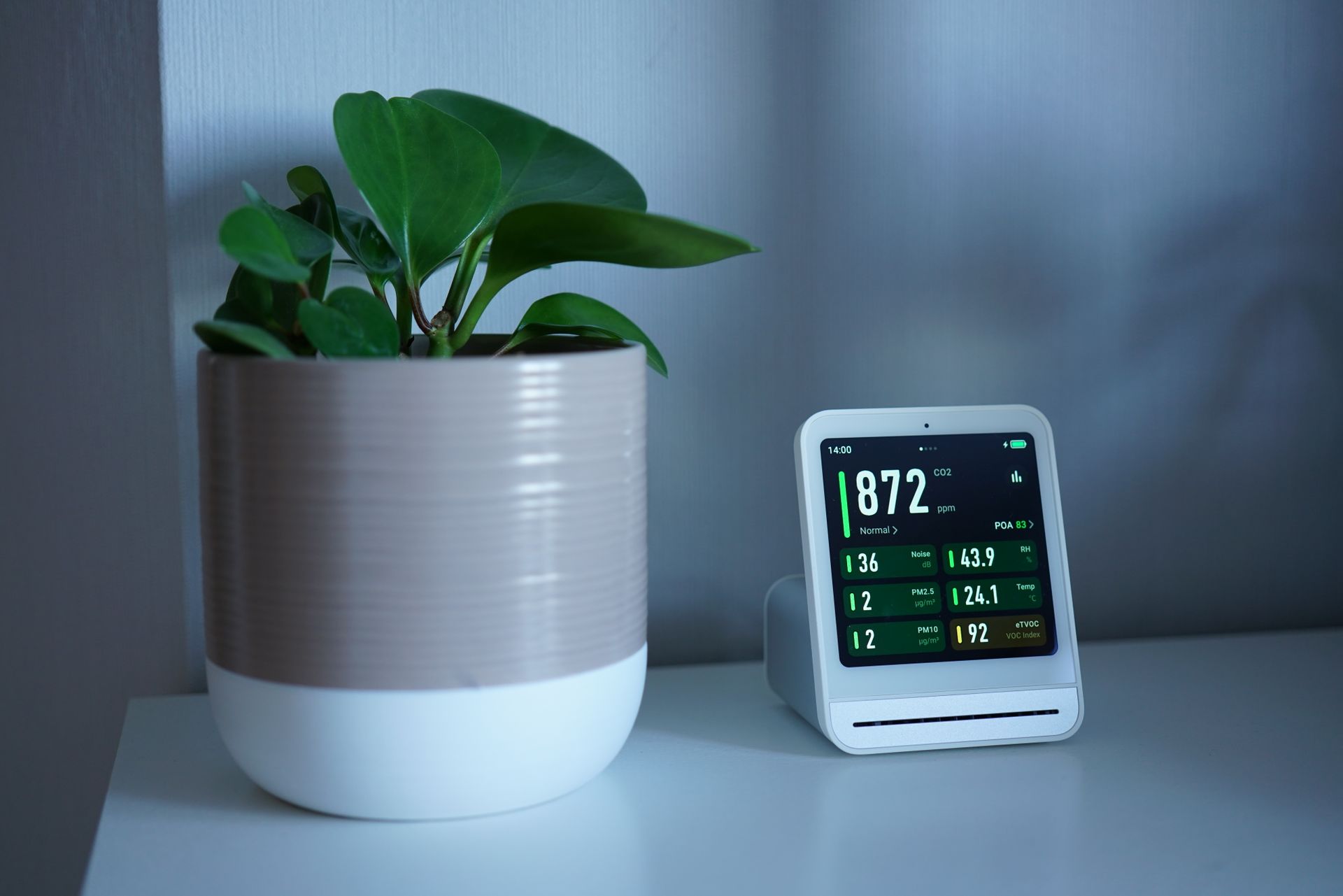
One of the most pervasive concerns is Particulate Matter (PM2.5). These microscopic particles, less than 2.5 micrometers in diameter, can come from sources like burning candles, cooking, fireplaces, and even outdoor pollution seeping indoors. Due to their small size, PM2.5 can penetrate deep into the lungs and even enter the bloodstream, contributing to respiratory issues, cardiovascular disease, and other serious health problems. The World Health Organization and other health bodies consistently highlight PM2.5 as a major environmental health risk.
Another silent but deadly threat is carbon monoxide (CO). This colorless, odorless gas is a byproduct of incomplete combustion from fuel-burning appliances such as furnaces, water heaters, stoves, and vehicles. Tragically, on average, over 200 people in the U.S. die from accidental carbon monoxide exposure each year. Proper ventilation and regularly maintained CO detectors are vital safeguards against this hazard.
Formaldehyde and other Volatile Organic Compounds (VOCs) are also common indoor pollutants. VOCs are gases emitted from certain solids or liquids and can be found in a wide array of household products and building materials. Sources include paints, varnishes, cleaning supplies, new furniture, carpeting, and even pressed wood products. “Off-gassing” from these materials can release VOCs into the air, leading to symptoms like headaches, dizziness, nausea, and long-term health effects, including damage to the liver, kidneys, and central nervous system. Formaldehyde, a specific type of VOC, is particularly prevalent in composite wood products and insulation.
For individuals with pre-existing conditions, poor indoor air quality can exacerbate symptoms. Asthma triggers like mold spores, dust mites, and pet dander are abundant in many homes, leading to increased frequency and severity of asthma attacks. Overall, compromised lung health is a significant concern linked to chronic exposure to these indoor pollutants. With over 25 million Americans affected by asthma, managing indoor air quality is not just about comfort, but about preventing serious health crises.
Biological Contaminants and Microbial Growth
Biological contaminants represent a significant portion of indoor air quality concerns, especially in environments prone to moisture. Among these, mold spores are perhaps the most notorious. Mold is a type of fungus that thrives in damp conditions and reproduces by releasing microscopic spores into the air. When these spores are inhaled, they can trigger allergic reactions, asthma attacks, and other respiratory problems. Symptoms can range from sneezing, runny nose, and skin rashes to more severe issues like chronic fatigue, headaches, and even neurological problems in sensitive individuals.
The speed at which mold can become a problem is often underestimated. Research indicates that mold can start growing within a mere 24-48 hours of exposure to moisture. This rapid colonization highlights the urgency of addressing any water intrusion or excessive humidity. Common sources of moisture include plumbing leaks, roof leaks, condensation, and high indoor humidity levels, particularly in humid climates.
Beyond visible mold growth, hidden moisture issues can lead to extensive contamination. Moisture intrusion behind walls, under flooring, or in attics creates ideal breeding grounds. In cases of long-term water problems and constant exposure to moisture, more problematic species like Stachybotrys chartarum, often referred to as “black mold,” can develop. While the color of mold doesn’t necessarily indicate its toxicity, Stachybotrys chartarum is known to produce mycotoxins, which can be particularly harmful to human health.
Other common biological allergen triggers include dust mites and pet dander. Dust mites are microscopic arachnids that feed on dead skin cells and thrive in warm, humid environments, commonly found in bedding, upholstered furniture, and carpets. Their droppings and decaying body parts are potent allergens. Similarly, pet dander – tiny flakes of skin shed by animals – can become airborne and trigger allergic reactions in sensitive individuals, regardless of how often pets are groomed. Managing these biological contaminants often involves controlling humidity, regular cleaning, and targeted filtration.
Chemical Off-Gassing and Combustion Hazards
Beyond biological threats, our indoor environments are also impacted by a range of chemical pollutants. Volatile Organic Compounds (VOCs) are a broad group of carbon-containing chemicals that readily evaporate at room temperature. They are released from countless products we use daily. This “off-gassing” can occur from new furniture, carpeting, paints, adhesives, cleaning supplies, air fresheners, and even office equipment. For example, formaldehyde, a specific and common VOC, is often found in pressed wood products like particleboard, plywood, and fiberboard, as well as in insulation and some fabrics. Exposure to high levels of VOCs can cause short-term symptoms like eye, nose, and throat irritation, headaches, and nausea. Long-term exposure has been linked to more serious health issues, including damage to the liver, kidneys, and central nervous system, and some VOCs are suspected carcinogens. Choosing low-VOC products and ensuring adequate ventilation, especially after renovations, are crucial steps in mitigating these risks.
Another critical category of indoor chemical hazards stems from combustion safety. As mentioned, carbon monoxide (CO) is an invisible, odorless, and highly toxic gas produced by the incomplete burning of carbon-containing fuels. Sources include malfunctioning furnaces, gas stoves, water heaters, fireplaces, and vehicle exhaust from attached garages. Symptoms of CO poisoning can mimic the flu, including headaches, dizziness, nausea, and fatigue, making it difficult to diagnose without proper detection. Severe exposure can lead to unconsciousness, brain damage, and death. To prevent this, it is imperative to install and regularly test carbon monoxide detectors on every level of the home and near sleeping areas. Additionally, ensuring that all fuel-burning appliances are properly installed and maintained by qualified professionals is essential. Proper ventilation for these appliances, such as using an outdoor-venting range hood when cooking, also plays a significant role in reducing combustion byproducts.
Comprehensive Solutions Offered by Indoor Air Quality Services
When indoor air quality concerns arise, professional indoor air quality services offer a structured and scientific approach to identifying, assessing, and resolving issues. These services go far beyond simple air fresheners or basic cleaning; they involve a detailed analysis of your indoor environment to pinpoint the root causes of pollution and implement effective, lasting solutions.
The process typically begins with diagnostic inspections. Trained professionals conduct thorough visual assessments of your property, looking for signs of moisture, mold growth, potential pollutant sources, and ventilation problems. This is often complemented by specialized tools, such as thermal imaging cameras to detect hidden moisture and hygrometers to measure relative humidity.
Following the initial inspection, air sampling is often performed. This involves collecting air samples from various locations within the home or business, as well as an outdoor control sample, to compare indoor pollutant levels against typical outdoor concentrations. These samples are then sent to accredited laboratories for analysis. In addition to air samples, surface swabs or bulk material samples might be taken for specific contaminants like mold.
Moisture detection is a cornerstone of any comprehensive IAQ assessment, especially in humid climates. Professionals use moisture meters to check building materials for hidden dampness that could be fostering microbial growth. They also evaluate the integrity of your building envelope to identify potential points of water intrusion.
HVAC hygiene is another critical component. The heating, ventilation, and air conditioning system is essentially the “lungs” of your building, circulating air throughout. If the HVAC system is contaminated with dust, mold, or other pollutants, it can actively distribute these throughout the indoor environment. Professional services can inspect, clean, and sanitize HVAC ducts and components, ensuring they are not contributing to poor air quality.
Finally, these assessments establish baseline assessments of your current air quality. This data is crucial for understanding the extent of the problem and for developing tailored remediation protocols. Whether it’s mold removal, VOC source reduction, or improved ventilation, professional services provide a roadmap for improvement. For comprehensive support with your indoor air quality needs, professional indoor-air-quality services offer expert guidance and solutions.
Evaluating Mold and Chemical Risks Through Indoor Air Quality Services
Professional indoor air quality services employ a variety of specialized testing methods to accurately evaluate the presence and levels of mold and chemical risks. These methods provide objective, quantifiable data that is essential for effective remediation.
When assessing mold, professionals often conduct air particulate counts to measure the concentration of airborne mold spores. This is typically done using spore traps, which collect particles from a measured volume of air over a specific period. Surface samples (swabs or tape lifts) are also taken from suspected mold growth areas. All samples are then sent to a certified laboratory testing facility where mycologists identify the types of mold present and quantify their concentrations. This detailed analysis allows for comparison against outdoor baseline samples and helps determine if indoor mold levels are elevated or unusual. A notable case demonstrated the efficacy of such remediation, where airborne microbial load was dramatically reduced from 1,840 CFU/m³ to 38 CFU/m³, achieving a 99.2% reduction in surface contamination.
For chemical risks, VOC analysis is performed to identify and quantify the presence of Volatile Organic Compounds. Air samples are collected in specialized canisters or sorbent tubes and analyzed in a lab using techniques like gas chromatography-mass spectrometry (GC-MS). This can detect hundreds of different VOCs, providing a detailed profile of chemical off-gassing sources. In some cases, specific tests like mycotoxin screening might be conducted if there’s suspicion of exposure to toxic mold species, as mycotoxins are secondary metabolites produced by certain molds that can have significant health impacts.
Here’s a comparison of common testing types:
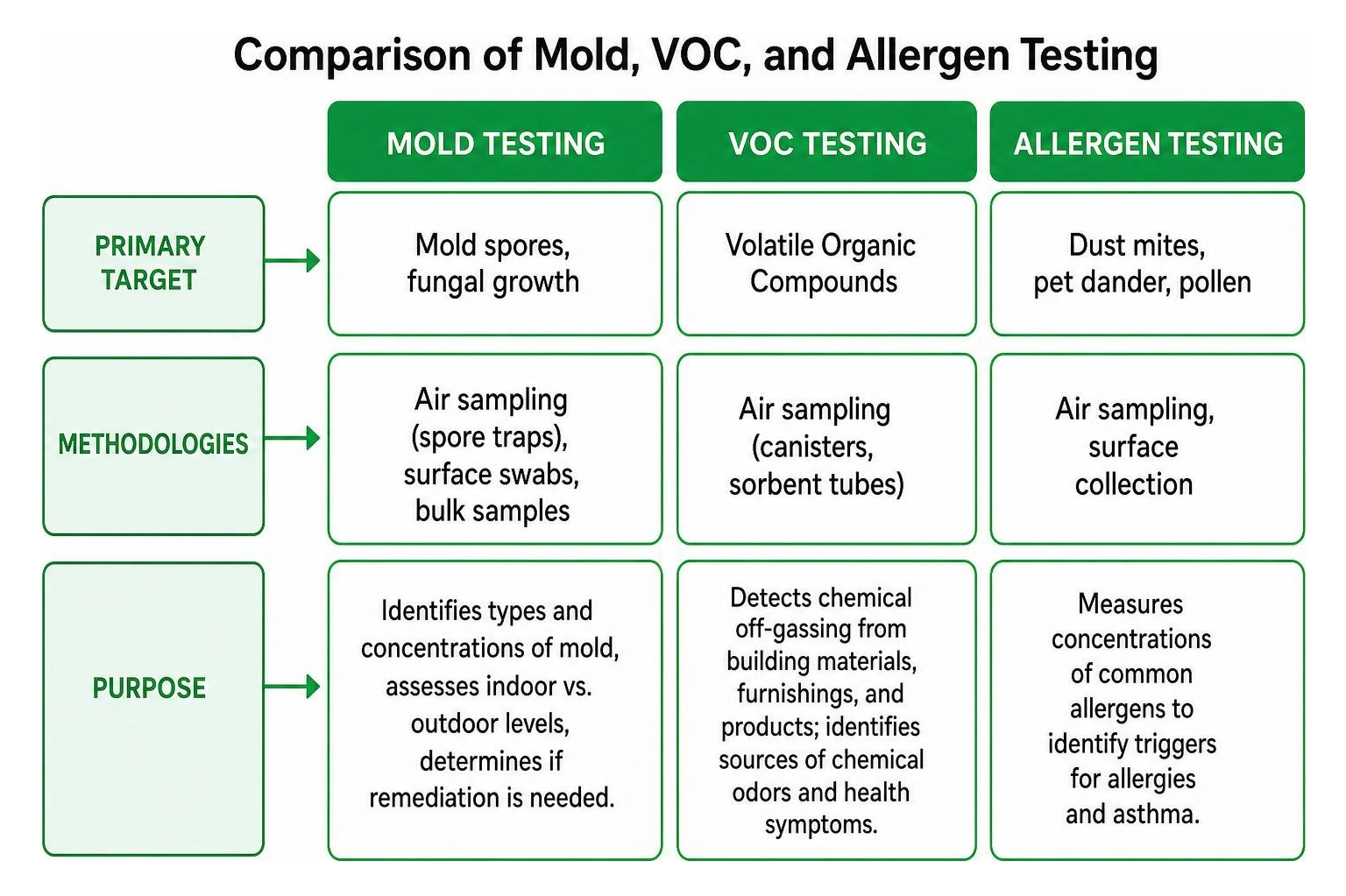
Testing Type Primary Target Methodologies Purpose Mold Testing Mold spores, fungal growth Air sampling (spore traps), surface swabs, bulk samples Identifies types and concentrations of mold, assesses indoor vs. outdoor levels, determines if remediation is needed. VOC Testing Volatile Organic Compounds Air sampling (canisters, sorbent tubes) Detects chemical off-gassing from building materials, furnishings, and products; identifies sources of chemical odors and health symptoms. Allergen Testing Dust mites, pet dander, pollen Air sampling, surface collection Measures concentrations of common allergens to identify triggers for allergies and asthma. These specialized tests provide a clear picture of your indoor environment, moving beyond assumptions to deliver actionable data.
Choosing Certified Providers for Indoor Air Quality Services
Selecting the right indoor air quality service provider is paramount to ensuring accurate assessments and effective solutions. It’s crucial to look for companies that prioritize unbiased assessment and adhere to industry-recognized standards. An unbiased third-party assessment is often the most important first step before committing to potentially expensive remediation services, as it ensures that recommendations are based purely on scientific findings rather than a desire to sell additional services.
Reputable providers will often boast certifications from leading industry organizations. For instance, adherence to NADCA standards (National Air Duct Cleaners Association) indicates expertise in HVAC system cleaning and hygiene. Similarly, IAC2 certification (International Association of Certified Indoor Air Consultants) signifies a high level of competency in indoor air quality and mold consulting. These certifications demonstrate a commitment to best practices and ongoing education in a rapidly evolving field.
Many top-tier firms employ or consult with industrial hygienists. These professionals specialize in anticipating, recognizing, evaluating, and controlling environmental factors that may affect health. Their expertise ensures a scientifically sound approach to IAQ investigations. When hiring, inquire about the qualifications and experience of the technicians and consultants who will be working on your property. Many established companies, for example, pride themselves on having over 50 years of combined industry experience, reflecting a deep understanding of complex IAQ issues.
A hallmark of a trustworthy provider is transparent reporting. After any testing, you should receive a detailed report that clearly explains the findings, including laboratory test results, interpretations compared to established guidelines, and specific remediation guidance. This report should be easy to understand and provide a clear roadmap for next steps. It’s also important that the provider clearly outlines the remediation scope, detailing exactly what work will be performed, why it’s necessary, and what results you can expect. This level of transparency builds trust and ensures you are making informed decisions about your indoor environment.
Critical Scenarios That Require Indoor Air Quality Testing
While general awareness of indoor air quality is growing, certain situations unequivocally demand professional indoor air quality testing. These scenarios often involve persistent symptoms, visible issues, or significant life events that necessitate a thorough evaluation of your indoor environment.
One of the most common indicators that testing is needed is the presence of musty odors. These smells are often a tell-tale sign of mold or mildew growth, even if the source isn’t immediately visible. If you consistently notice a damp, earthy smell, particularly in basements, crawl spaces, or bathrooms, it’s a strong signal that moisture is present and fostering microbial activity.
Another compelling reason for testing is when occupants experience chronic allergies or unexplained health symptoms that seem to improve when they leave the building and worsen upon return. Persistent coughing, sneezing, skin irritation, headaches, fatigue, or respiratory issues could all be linked to elevated levels of indoor pollutants like mold spores, dust mites, or VOCs.
Any history of unaddressed leaks or water damage, even if it occurred years ago, warrants an IAQ assessment. Water can seep into building materials and create hidden reservoirs for mold growth that may not become apparent until symptoms develop or structural damage occurs. Mold can begin growing within a mere 24 to 48 hours of exposure to moisture, making prompt action critical.
Post-remediation verification is also a crucial scenario for testing. After mold removal or other remediation work has been completed, follow-up testing ensures that the contamination has been effectively eliminated and that the indoor environment has returned to healthy levels. This step verifies the success of the remediation efforts and provides peace of mind.
For businesses, commercial compliance and employee health are significant drivers for IAQ testing. Maintaining a healthy work environment is essential for productivity and can help prevent potential liability issues. Regular IAQ assessments can identify and mitigate risks in offices, schools, and other commercial spaces.

Water Intrusion and Humid Climate Challenges
Water is the lifeblood of mold, and any form of water intrusion creates an immediate and significant risk to indoor air quality. Whether it’s a major event like flooding or a more insidious problem like persistent plumbing leaks, the presence of unwanted moisture can quickly lead to mold growth and other biological contaminants. As previously noted, mold can begin colonizing building materials within a mere 24 to 48 hours of moisture exposure. This incredibly short window underscores the importance of rapid response to any water event.
In humid climates, like Florida’s Tampa Bay area, the challenges are amplified. High ambient humidity and frequent rainfall create a prime breeding ground for mold and other indoor pollutants that threaten both health and property value. Even without direct leaks, persistently high indoor relative humidity (RH) can lead to condensation on cool surfaces, providing enough moisture for mold to thrive. Maintaining indoor humidity levels between 30-50% is generally recommended to deter mold growth.
Areas particularly vulnerable to moisture accumulation include crawl spaces, basements, and attics. Unsealed crawl spaces can draw moisture from the ground, leading to high humidity and mold growth that can then migrate into the living spaces above. Similarly, inadequate attic ventilation can lead to condensation and mold, especially in colder months or in homes with poor insulation.
When water intrusion occurs, the immediate focus should be on drying out the affected areas completely. However, professional assessment is often necessary to ensure that all moisture has been addressed and that hidden mold growth has not taken root within walls or other inaccessible areas. Unbiased third-party assessment serves as an essential preliminary diagnostic step before committing to expensive remediation services, especially in these high-risk, humid environments.
Real Estate Due Diligence and Insurance Claims
Indoor air quality plays an increasingly vital role in real estate transactions and can significantly impact property value and liability. For both buyers and sellers, performing IAQ and mold assessments as part of due diligence is critical to prevent post-purchase liability and costly conflicts.
For homebuyers, a pre-purchase IAQ inspection can uncover hidden issues like mold, VOCs, or other contaminants that might not be visible during a standard home inspection. Identifying these problems before closing allows buyers to negotiate repairs, adjust the purchase price, or even reconsider the purchase, reducing future financial burdens and health risks. Conversely, sellers who proactively address and document good IAQ can enhance their property’s appeal and avoid last-minute complications. IAQ documentation is crucial for safe navigation of the purchase process.
In the context of rental property transactions or disputes, IAQ testing can be essential. It provides objective evidence in landlord-tenant disputes regarding property conditions and potential health hazards. Pre-transaction air testing can avoid costly conflicts by establishing a clear baseline of the property’s condition.
Furthermore, accurate and rapid IAQ documentation is vital when filing property insurance claims related to water damage and mold. After a plumbing leak, flood, or other water event, insurance companies often require detailed reports to process claims for remediation. Lab-certified reports that document the extent of contamination, the types of pollutants, and the scope of necessary repairs provide the necessary evidence to support your claim. This documentation not only helps secure appropriate coverage but also ensures that the remediation addresses the full scope of the damage, protecting the long-term structural integrity of the property and the health of its occupants. Without proper documentation, policyholders may face challenges in getting their claims fully covered, potentially leading to out-of-pocket expenses for extensive repairs.
Practical Steps to Maintain Clean Air at Home
While professional indoor air quality services are invaluable for diagnostics and remediation, there are many practical steps homeowners can take to proactively improve and maintain clean air without professional help. These strategies focus on reducing sources of pollution, enhancing ventilation, and managing moisture.
One of the most effective approaches is source control – eliminating or reducing the sources of indoor air pollutants. This can involve choosing low-VOC paints, adhesives, and cleaning products; avoiding air fresheners that release chemicals; and refraining from indoor smoking or burning excessive candles. For instance, using EPA Safer Choice certified cleaning supplies significantly reduces chemical exposure.
Proper fresh air ventilation is key to diluting indoor pollutants and bringing in cleaner outdoor air. Simply opening windows and doors for a few minutes each day, especially when outdoor air quality is good, can make a noticeable difference. During cooking, using an outdoor-exhausting range hood is crucial to remove combustion byproducts and cooking fumes. Similarly, running exhaust fans in bathrooms during and after hot showers helps remove moisture and odors.
Maintaining optimal relative humidity (RH) levels is critical, especially in preventing mold growth. Aim to keep indoor humidity between 30-50% RH. In humid climates or during certain seasons, a dehumidifier can be an invaluable tool. Monitoring humidity with a hygrometer can help you understand when to take action.
Mechanical Ventilation and Advanced Filtration
Beyond simple window ventilation, mechanical systems play a crucial role in maintaining superior indoor air quality. Your HVAC system is the primary mechanism for circulating and conditioning air, making its efficiency and cleanliness paramount.
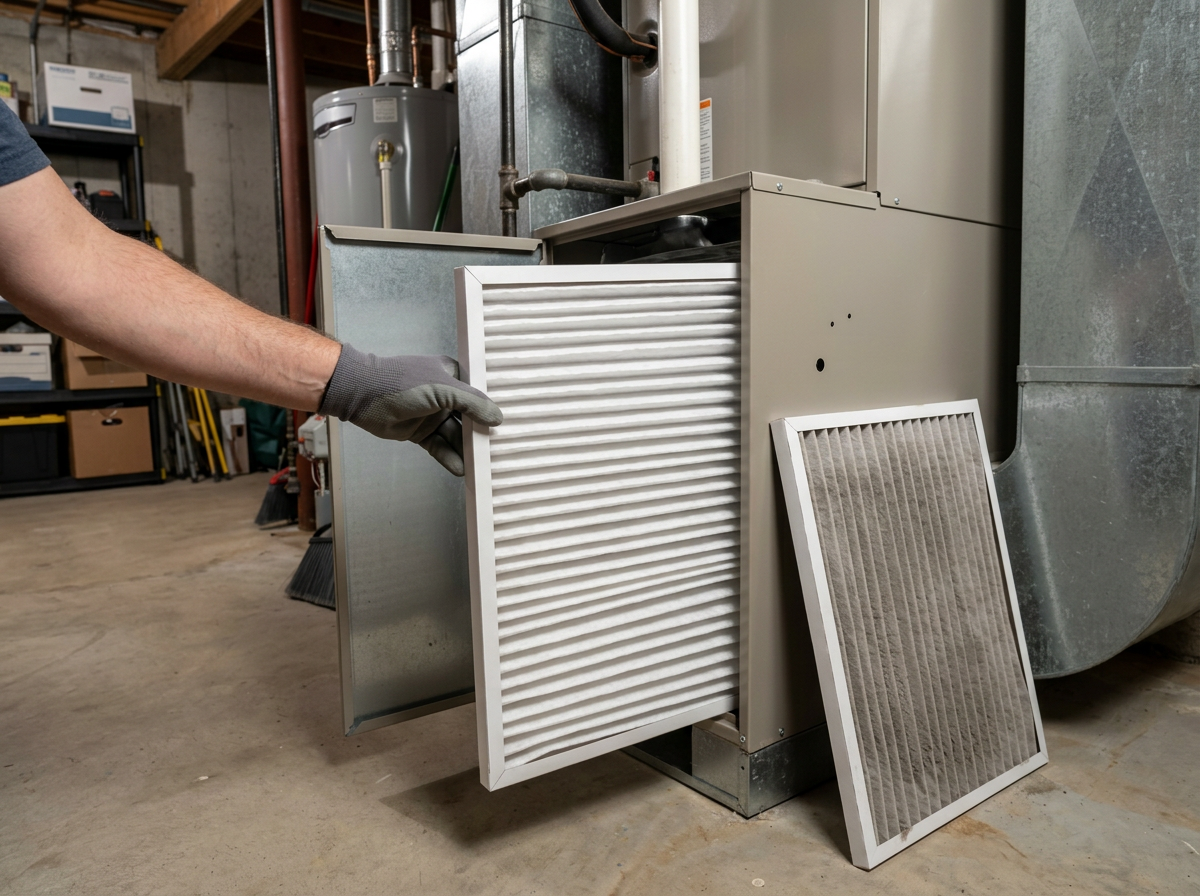
Upgrading your HVAC system’s air filters is one of the easiest and most impactful steps. Filters are rated by their MERV (Minimum Efficiency Reporting Value), with higher numbers indicating better filtration of smaller particles. While a MERV 8 filter is a common standard, considering MERV 11 or 13 can significantly improve air quality by capturing more dust, pollen, mold spores, and even some bacteria. Always check your HVAC system’s specifications to ensure it can handle higher MERV filters without restricting airflow.
For an added layer of protection, HEPA (High-Efficiency Particulate Air) purifiers are highly effective. These standalone units or whole-home systems can capture 99.97% of airborne particles 0.3 microns in size, including many allergens, viruses, and bacteria. When selecting an air purifier, ensure it is a zero-ozone purifier, as some older or less reputable models can produce ozone, which is an irritant and lung damaging gas.
Advanced mechanical ventilation systems like Energy Recovery Ventilators (ERVs) and Heat Recovery Ventilators (HRVs) can exchange stale indoor air with fresh outdoor air while minimizing energy loss. ERVs are particularly beneficial in humid climates as they can help manage moisture transfer. Regular duct maintenance and cleaning are also essential to prevent the accumulation of dust, debris, and mold within the HVAC system, which can then be distributed throughout your home.
Here’s a list of proactive indoor air maintenance habits:
- Regularly change HVAC filters according to manufacturer recommendations (every 1-3 months).
- Use a vacuum cleaner with a HEPA filter to remove dust and allergens from carpets and upholstery.
- Dust surfaces regularly with a damp cloth to trap particles.
- Wash bedding weekly in hot water and use dust-proof covers on mattresses and pillows to control dust mites.
- Keep indoor plants, as some can help filter air, but ensure their soil doesn’t become a source of mold.
- Avoid synthetic fragrances from air fresheners, candles, and cleaning products.
- Test for radon, an odorless, radioactive gas that can enter homes through cracks in the foundation.
- Ensure proper ventilation in areas where moisture is generated, like bathrooms and kitchens.
Moisture Management and Mold Prevention
Effective moisture management is the cornerstone of preventing mold growth and maintaining healthy indoor air quality. Mold needs moisture to thrive, so controlling its presence is the most critical preventative measure.
One of the most effective tools for managing ambient humidity is a dehumidifier. In humid climates or during damp seasons, running a dehumidifier can keep indoor relative humidity levels below the 60% threshold where mold begins to flourish, ideally maintaining levels between 30-50%. Place dehumidifiers in damp areas like basements, crawl spaces, or utility rooms.
Addressing sources of water leaks promptly is paramount. This includes fixing leaky faucets, pipes, and roofs immediately. Insulating cold pipes can prevent condensation, which is a common, often overlooked, source of moisture. For homes with crawl spaces, encapsulation – sealing the crawl space from the ground and outside air with a vapor barrier – can dramatically reduce moisture intrusion and prevent mold growth.
Proper bathroom ventilation is essential. Always use an exhaust fan during and after showers and baths to remove steam and moisture. Ensure these fans vent directly outside, not into the attic, where moisture can accumulate and lead to hidden mold issues.
In the event of any water intrusion, whether from a spill or a leak, rapid drying protocols must be implemented within 24 to 48 hours. This includes removing standing water, using fans and dehumidifiers to dry affected materials, and discarding porous items that cannot be thoroughly dried. If materials remain wet beyond this critical timeframe, mold growth is highly likely, necessitating professional assessment and potential remediation. By diligently managing moisture, you can significantly reduce the risk of mold and improve your overall indoor air quality.
Frequently Asked Questions About Indoor Air Quality
Understanding indoor air quality can be complex, and many common questions arise for homeowners and business owners alike. Here, we address some of the most frequent inquiries regarding testing, regulations, and actions to take.
What are the standard regulations and thresholds for indoor mold levels?
This is a very common and critical question, yet the answer often surprises people: there are currently no federal Threshold Limit Values (TLVs) established for airborne concentrations of mold spores in the United States. This means there are no official, legally binding numerical standards for what constitutes an “unhealthy” level of mold indoors.
Despite the lack of federal regulations, various organizations, such as the EPA, provide guidelines and recommendations. These often suggest comparing indoor mold spore counts and types to outdoor baseline comparisons. If indoor mold concentrations are significantly higher than outdoor levels, or if different types of mold are found indoors that are not prevalent outdoors, it can indicate an indoor mold problem.
Therefore, professional indoor air quality experts rely on a combination of factors:
- Visual inspection: Identifying visible mold growth is a primary indicator.
- Moisture assessment: Locating and addressing the source of moisture is always the priority.
- Microbial counts: Laboratory analysis of air and surface samples helps identify species and concentrations.
- Health symptoms: Considering occupant health complaints that align with mold exposure.
Health departments typically advise that if you can see or smell mold, it should be removed, regardless of testing results. The focus should always be on finding and fixing the moisture source to prevent recurrence, rather than relying solely on numerical thresholds that don’t officially exist.
How do I interpret professional indoor air quality test results?
Interpreting professional indoor air quality test results requires an understanding of the data provided by the laboratory analysis and how it relates to your specific indoor environment. A comprehensive report will typically include:
- Pollutant Identification and Quantification: This section will list the specific pollutants detected (e.g., mold species, VOCs) and their concentrations, often in units like CFU/m³ (Colony Forming Units per cubic meter) for mold or parts per billion (ppb) for VOCs.
- Outdoor Control Samples: Crucially, most professional IAQ reports will include results from outdoor control samples. This allows for a direct comparison between indoor and outdoor levels. If indoor concentrations of a particular pollutant are significantly higher than outdoors, or if types of mold are present indoors that are not found outdoors, it strongly suggests an indoor source.
- Comparison to Guidelines: While federal thresholds for mold are absent, reports often compare findings to industry-accepted guidelines, professional recommendations, or typical background levels. For VOCs, comparisons might be made against health-based guidelines from organizations like the EPA or World Health Organization.
- Interpretation and Recommendations: The most valuable part of the report is the expert’s interpretation of the findings. This will explain what the results mean in the context of your property and any reported health symptoms. It will also provide clear remediation recommendations and next steps, which could include source removal, ventilation improvements, or professional remediation. For example, a report might highlight that an airborne microbial load was reduced from 1,840 CFU/m³ to 38 CFU/m³ after remediation, indicating a 99.2% reduction in surface contamination and successful intervention. Always discuss the report thoroughly with your IAQ professional to understand the implications and the best course of action.
How quickly does mold spread after indoor water exposure?
The speed at which mold can begin to spread after indoor water exposure is remarkably fast, often taking hold before homeowners even realize there’s a problem. Mold can begin growing within 24 to 48 hours of exposure to moisture. This rapid colonization is a critical factor in understanding why immediate action is so important after any water event.
Once building materials or furnishings become saturated with water, they provide the ideal conditions for mold spores, which are ubiquitous in the air, to germinate and grow. Porous materials like drywall, insulation, wood, carpet, and fabrics are particularly susceptible. These materials can absorb and retain moisture, creating a prolonged damp environment.
Furthermore, mold can grow in hidden cavities within walls, under flooring, or behind cabinets, making it difficult to detect visually in its early stages. By the time a musty odor develops or mold becomes visible, it may have already established a significant presence. This rapid growth timeframe underscores the need for immediate drying and, if necessary, professional assessment and remediation following any water intrusion to prevent extensive mold proliferation and associated health risks.
Conclusion
Our homes and workplaces are sanctuaries, yet they can harbor unseen threats to our health and comfort in the form of indoor air pollutants. From microscopic particulate matter and chemical off-gassing to insidious mold spores, the quality of the air we breathe indoors has a profound impact on our holistic wellness.
Understanding these potential hazards is the first step, but proactive measures are essential. By embracing proactive maintenance habits—such as diligent moisture management, regular HVAC filter changes, and thoughtful product choices—we can significantly reduce our exposure to harmful contaminants. When concerns arise, professional indoor air quality services offer the expertise and advanced tools necessary for accurate diagnosis and effective remediation, ensuring that our indoor environments are truly healthy.
Investing in good indoor air quality is an investment in our well-being, enhancing home comfort and contributing to sustainable health for ourselves and our families. Through informed decisions and, when needed, professional guidance, we can transform our indoor spaces into havens of clean, fresh air, routinely auditing and maintaining them for optimal living.

Meg is an author at Cinnamon Hollow. She writes on a variety of topics sharing tips and ideas for daily life.