

If your feed has shown you a jar of dark, fudge-like paste lately, you’ve met batana oil. It smells a little like roasted coffee, it costs more than your usual coconut oil, and a lot of people are rubbing it into their scalps on purpose.
Before you add it to your shelf, here’s what it actually is, how people use it, and what’s fair to expect. If the regrowth question is the one keeping you up at night, there’s a deeper look at batana oil for hair growth that also compares it with traditional Ayurvedic hair oils. This piece sticks to the practical side.
Where batana oil comes from
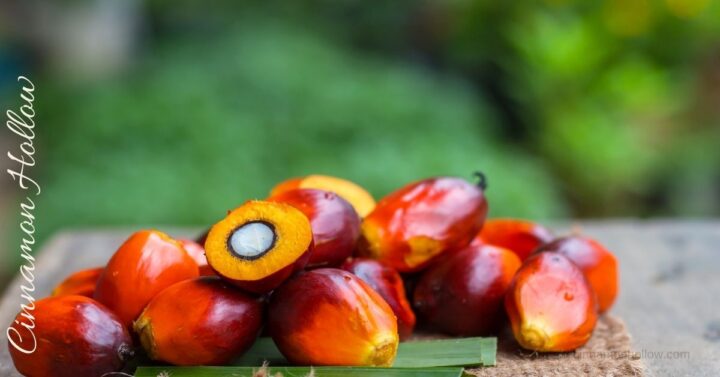
Batana oil is made from the nuts of the American oil palm, Elaeis oleifera, a relative of the African oil palm that gives us regular palm oil. The batana sold today mostly comes from La Mosquitia, a remote, rainforest-covered region of eastern Honduras.
It has a long history there. The Miskito people of the region have used it on their hair and skin for generations. You’ll often see them called the Tawira, a name usually translated as “people of beautiful hair,” and that nickname is a big part of why the oil has caught on with beauty shoppers.
Traditional production is slow work done by hand, mostly by women: the fruit is gathered, the nuts are cracked and cooked, and the oil is extracted. That process is why the real thing is dark brown, thick, and smells smoky rather than neutral.
What’s in it
Batana is rich in fatty acids, mainly oleic and linoleic acid, plus vitamin E compounds and carotenoids. In plain terms, it’s a heavy, nourishing oil. It coats strands, softens dry ends, and adds shine. That’s the same family of benefits you get from other rich plant oils, just in a more intense, buttery format.
How people use it
There’s no single right way, but these are the most common routines:
- Pre-wash treatment. Warm a small amount between your palms, work it through the lengths and ends, and leave it for 30 minutes to a few hours before shampooing.
- Scalp massage. Some people massage a little into the scalp once or twice a week. Go easy if you get oily or flaky.
- Ends sealer. A pea-sized dab on dry ends after styling helps with frizz and that straw-like feel.
- Dry skin. A thin layer on elbows, heels or cuticles, the same way you’d use a body balm.
Because the oil is so rich, less really is more. Fine or low-porosity hair can look greasy fast. Thick, curly, coily or bleached hair usually soaks it up better.
Plan on washing twice. Batana clings, and one round of shampoo often leaves a film behind.
Always patch test first
Any new oil can irritate skin, and batana is no exception. A quick patch test takes a day or two and saves you from an itchy scalp:
- Dab a small amount on the inside of your elbow or behind your ear.
- Leave it for 24 to 48 hours without washing that spot.
- If you see redness, itching, swelling or bumps, don’t use it.
Skip it on broken or inflamed skin, and talk to a dermatologist first if you have scalp conditions such as psoriasis or seborrheic dermatitis.
What to realistically expect
This is where the online hype and real life split. The big promise attached to batana is hair growth, and there are no clinical trials showing that it regrows hair or reverses thinning. Most of the dramatic before-and-after clips are personal stories, not controlled tests.
What batana can reasonably do is make hair feel softer, look shinier, and break less. If your hair snaps before it gets long, less breakage can mean you keep more of the length you’re already growing. That can look like growth in photos, but it isn’t the same thing.
If you’re dealing with a widening part, a receding hairline, patchy loss or sudden shedding, no oil is the answer. Those are reasons to see a doctor or dermatologist, since hair loss can be linked to genetics, thyroid problems, low iron, stress or other health issues worth checking.
Shopping smart
Popularity brings fakes. Some “batana” products are mostly other oils with a little batana added, or none at all. A few pointers:
- Read the ingredient list. Look for Elaeis oleifera kernel oil near the top.
- Expect a dark color and roasted smell from traditionally made oil. A pale, odorless product is a different thing.
- Be skeptical of labels promising regrowth in weeks.
- Store it somewhere cool and dark, and keep the lid tight.
Real batana is a beautiful, old-fashioned conditioning oil with a story worth respecting. Use it as one: patch test it, start with a tiny amount, wash it out well, and judge it on softness, shine and less breakage. If thinning hair is the actual worry, book a dermatologist before you buy another jar.
The owners and authors of Cinnamon Hollow are not doctors and this is in no way intended to be used as medical advice. We cannot be held responsible for your results. As with any product, service or supplement, use at your own risk. Always do your own research and consult with your personal physician before using.

Meg is an author at Cinnamon Hollow. She writes on a variety of topics sharing tips and ideas for daily life.

