

A plastic surgery consultation is a fact-finding visit, with no commitment to have surgery. It gives people with steady goals a chance to understand the options and get a clearer sense of the trade-offs.
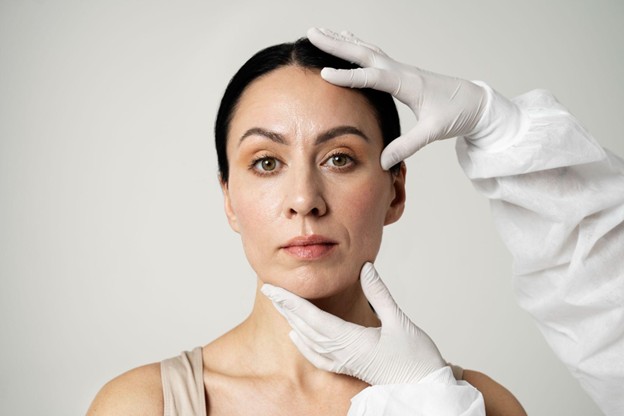
You can describe a steady concern in plain terms
People who get the most from a consultation can point to one specific issue. It might be upper eyelids that make the eyes look tired or a nasal shape that has felt out of balance for years. The concern has stayed steady over time and isn’t tied to a bad week or a single photo. That steadiness matters more than the size of the concern.
It also helps when the idea comes from the person considering surgery.
Friends and family members may mean well when they offer opinions. But pressure from someone else tends to lead to second thoughts.
Being ready to ask does not mean surgery is needed. Candidacy can only be decided after an exam and a health review. A useful test is whether the goal can be stated in one sentence. Saying that upper lids look heavy in the morning is clearer than saying that the whole face needs work. Clear language gives the surgeon something concrete to assess during the visit.
Curiosity is enough to book. Some people have tried Botox and fillers and want to know what else exists. Others have tried nothing and simply want a baseline opinion. Both are valid starting points for a conversation that may or may not lead to surgery.
You understand what surgery can and can’t do
Surgeons can refine shape and proportion. They can’t promise perfection or invisible scars. Small differences between sides are normal in human faces and bodies, and surgery works within that reality.
Someone with realistic expectations tends to talk about improvement rather than transformation. That mindset makes it easier to weigh benefits against scars and cost, and to hear when a surgeon says no.
Photos of facelift, rhinoplasty, breast augmentation, and eyelid surgery can help clarify taste, serving as a way to explain direction rather than request an exact copy. A photo can show a preference for subtle or defined change. It can’t guarantee the same result on different anatomy.
Questions about likely changes and possible maintenance belong in the consultation. A calm, specific answer helps make those expectations clearer.
You have started checking credentials and alternatives
Prepared patients do some homework before booking. They look for certification through a body such as the American Board of Plastic Surgery. Before-and-after photos can help readers discuss aesthetic preferences, though a selected gallery cannot establish a surgeon’s overall results or complication rate. Safety information from groups such as the American Society of Plastic Surgeons adds context to that early research.
A surgeon profile page such as that of Dr. Gabriel Chiu is one starting point for reading about training and professional background. Specific certification claims can then be checked with the relevant certifying board. A profile helps prepare questions; it does not establish individual candidacy or guarantee a result.
The procedure’s location and whether it would take place in an accredited surgical facility are reasonable topics to discuss. Proper accreditation signals that the facility meets set standards for equipment and staffing. Asking about it is a normal part of choosing a surgeon.
Alternatives deserve attention during this stage. A good consultation covers nonsurgical paths as well as surgical ones, with plain talk about limits and duration. Some practices offer video prescreening for convenience. Ask what it can establish and whether an in-person examination will be needed before a recommendation. A remote conversation and a physical assessment provide different kinds of information.
You are willing to be open about health and habits
A consultation includes a review of health history and daily habits. Detailed questions about health conditions and medications are part of that conversation. Prior surgeries and supplements come up too. Full answers help the surgeon judge risk accurately.
There’s no pass or fail here. Accuracy matters more than presenting a perfect picture. It gives the surgeon a sound basis for discussing risks and options.
Recent weight changes may matter for some procedures, so they are worth mentioning rather than treating a particular weight or time frame as a requirement for a consultation. Smoking is another topic for an honest discussion, since healing is affected by tobacco use. Surgeons give guidance on this point when surgery is considered, and that guidance forms part of the discussion about readiness.
This openness extends beyond the visit. Healing needs time and follow-up. Recovery guidance covers dressings and activity limits. Follow-up visits check progress and catch issues early. Someone ready for a consultation is willing to consider what that structure would involve.
You have thought through recovery and cost
Recovery takes planning. Most procedures need days to weeks of reduced activity, which can mean time away from work and help at home for daily tasks.
There’s no way to rush healing. Swelling and bruising fade on their own schedule. People who are ready have room in the calendar for rest and for return visits.
Cost planning is also part of readiness. Cosmetic surgery is rarely covered by insurance, so patients pay out of pocket in most cases. A general understanding of the costs and available budget can help prevent stress later. There’s no pressure to make a financial decision during the first visit.
The best sign of readiness is curiosity without pressure. The visit is a chance to ask questions and hear honest answers. Waiting or saying no is also a good result.
Check out our Beauty videos below!

Meg is an author at Cinnamon Hollow. She writes on a variety of topics sharing tips and ideas for daily life.