

Key Takeaways
- Choose a firm entertainment budget before entering a casino.
- Set a stop time and arrange safe transportation before the evening begins.
- Pick games that suit your comfort level, pace, and spending limit.
- Think of gambling as paid entertainment, never as a source of vacation income.
- Take breaks, drink water, and keep casino time balanced with the rest of the trip.
- Stop early if spending, stress, or loss-chasing starts to affect the experience.
Punta Cana is known for warm evenings, resort dining, beaches, and a pace that can make a night out feel like part of the vacation itself. A casino visit can fit that atmosphere well when it is treated as entertainment rather than a way to pay for the trip. Travelers planning ahead may also be watching the Punta Cana resort casino, which is currently listed for late spring 2027, so it is wise to confirm opening details before building a future itinerary around it.
For a Punta Cana trip, the best approach is to make gaming one optional part of a larger evening. Start with a meal, enjoy the resort or local surroundings, set a limit before play begins, and leave with enough time and energy to enjoy the beach, excursions, or a relaxed morning afterward.

1. Why A Casino Night Needs A Plan
Vacation routines are different. Travelers may be tired after a flight, excited by a special occasion, unfamiliar with local transportation, or tempted to extend a fun evening. A simple plan removes pressure. It protects money reserved for accommodations, meals, airport transfers, and activities while giving the casino session a clear beginning and end.
2. Set A Travel-Friendly Gaming Budget
Decide on a gaming amount only after the rest of the trip budget is covered. It should be money you can comfortably spend for entertainment, even if none of it returns. Consider carrying only the amount planned for that session rather than bringing the full vacation spending balance.
Suggested Budget Steps
- List fixed trip costs, including lodging, food, tips, transportation, and planned excursions.
- Set aside emergency money separately.
- Choose one total casino budget for the trip.
- Split it into smaller sessions, such as two $100 sessions from a $200 entertainment budget.
- End play when the session amount is gone, regardless of recent wins or losses.
Budgeting is common among casino visitors. In a 2025 survey summarized in the American Gaming Association’s responsible-gaming research, 80% of casino gamblers said they always or usually set a budget before gambling, and 90% of that group said they always or usually stick to it.
3. Choose Games That Match Your Comfort Level
There is no need to play the busiest or most complicated game in the room. Slots are generally easy to start and can offer different denominations. Roulette has a straightforward concept but offers many betting options. Blackjack involves decisions and table procedures, while craps can be lively but visually complex for newcomers. Electronic table games may feel less intimidating because visitors can observe the pace before participating.
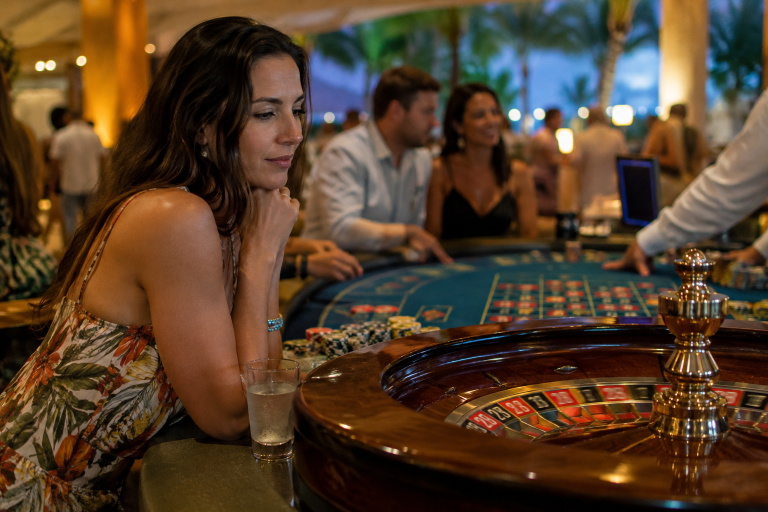
Choose based on interest, comfort, and budget. No game, system, or “lucky” routine can guarantee a winning result.
4. Learn The Basic Rules Before You Play
Before sitting at a table, check the posted minimum and maximum bets. Watch a round, read the game instructions, and ask a dealer or staff member a brief question if you are unsure how the action works. Learning the basics can make the experience more comfortable, but it does not remove the casino’s mathematical advantage or guarantee a positive outcome.
5. Follow Simple Casino Etiquette
- Join a table only when there is a clear opening or after asking the dealer.
- Keep drinks, phones, and personal belongings away from the betting area.
- Follow posted rules and dealer instructions.
- Never touch another player’s chips, cards, or wagers.
- Keep phone use brief and discreet at table games.
- Tip service staff only when it fits within the overall trip budget.
6. Manage Time, Drinks And Decision-Making
Casinos are designed to be engaging, so time can pass quickly. Set a phone alarm for a 60- or 90-minute session before starting. Tropical heat, a full day in the sun, and alcohol can also affect judgment, so alternate alcoholic drinks with water and avoid playing when exhausted, upset, or distracted.
The Responsible Gambling Council’s safer gambling tips similarly emphasize time and spending limits, breaks, avoiding loss-chasing, and not using money needed for essentials. Leaving credit cards securely in the room can also help keep the session aligned with the original plan.
7. Balance Gaming With The Rest Of The Trip
A casino night should add variety, not replace the destination. Pair a short session with dinner, live music, a resort show, or a walk through the property. Plan a non-gaming activity for the next morning, such as a beach walk, pool time, or an excursion. Keeping at least one full day free from gambling helps the trip remain centered on Punta Cana rather than the gaming floor.
8. Spot Warning Signs Early
Pause immediately if you begin increasing bets to recover losses, using money intended for meals or transportation, hiding spending from a travel companion, skipping planned activities, borrowing money, or feeling unable to leave. Stopping is a smart decision, not a failed one. Anyone who feels gambling is becoming difficult to control should seek confidential professional support.
9. Use A Simple Evening Plan
Example Four-Hour Schedule
- 6:00 p.m.: Eat dinner and review the cash budget.
- 7:15 p.m.: Observe a game and choose a comfortable option.
- 7:30 p.m.: Begin the first session with a fixed limit.
- 8:30 p.m.: Take a water break and check the time.
- 9:00 p.m.: Start another session only if the plan allows it.
- 10:00 p.m.: Stop playing and return safely to the hotel.
Bring identification, a charged phone, comfortable clothing, and transportation details. Share the plan with a travel companion when possible.
10. Make The Night Part Of The Vacation
The most enjoyable casino night in Punta Cana is one that stays in proportion to the rest of the trip. Set a budget, know when to stop, understand the basics, and leave room for beaches, dining, and time with the people you’re traveling with. That approach keeps the evening social, relaxed, and memorable for the right reasons.

Meg is an author at Cinnamon Hollow. She writes on a variety of topics sharing tips and ideas for daily life.

