

Constant bloating, stomach pain, constipation, or diarrhea can make daily life difficult. You may change what you eat, try different medicines, or avoid certain foods, yet the same problems keep coming back. This can be frustrating, especially when you do not know what is causing the discomfort.
For people dealing with ongoing digestive problems in Boston, integrative gastroenterology offers another way to look at gut health. It combines standard digestive care with a wider review of diet, lifestyle, gut bacteria, and other factors that may affect digestion. The goal is to understand what could be behind the symptoms and find a care plan that fits the person.
In this guide, we’ll look at the benefits of integrative gastroenterology and how it may help with common digestive problems. But first, what exactly is integrative gastroenterology?
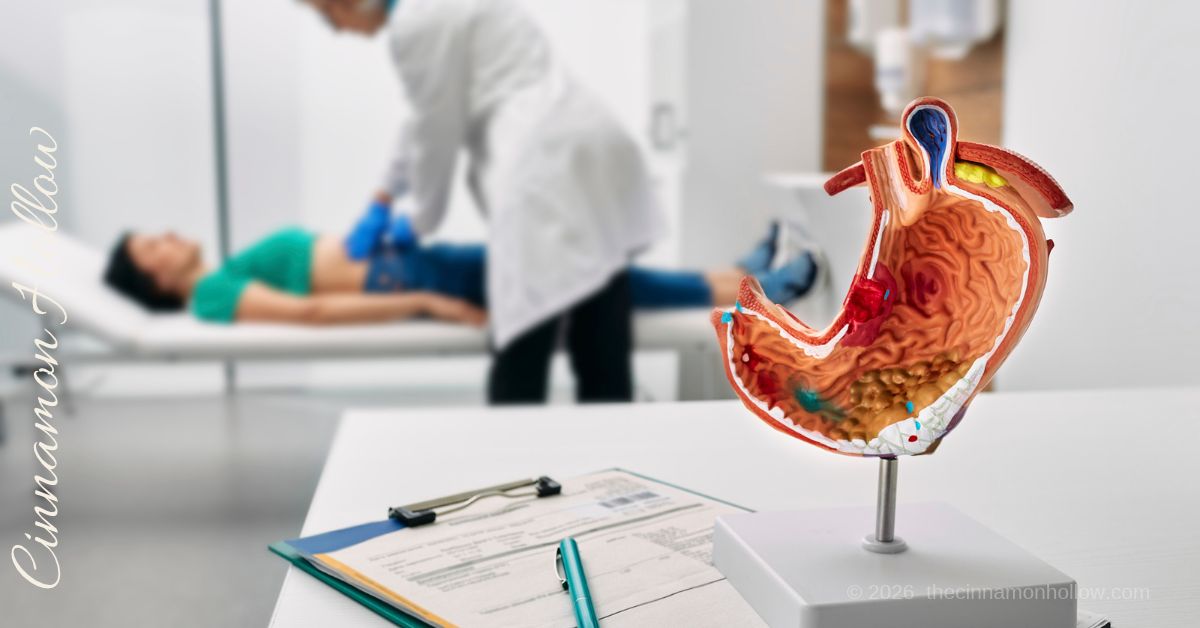
What Is Integrative Gastroenterology?
Integrative gastroenterology combines conventional digestive medicine with a whole-person approach to health. A gastroenterologist still checks for medical conditions and uses standard tests and treatments when needed. However, the evaluation may also look at food habits, stress, sleep, gut bacteria, and other factors that can affect the digestive system.
This broader view can be useful because digestive symptoms often have more than one possible cause. For example, bloating may be linked to constipation, food intolerance, irritable bowel syndrome (IBS), or small intestinal bacterial overgrowth (SIBO).
The need for good digestive care is clear. The National Institute of Diabetes and Digestive and Kidney Diseases estimates that 60 to 70 million Americans are affected by digestive diseases.
5 Benefits of Integrative Gastroenterology
Here are five ways it may help people manage ongoing digestive problems.
1. It Looks Beyond the Symptoms
Many digestive problems share similar signs. Bloating, gas, and stomach pain can happen for several reasons, so treating the symptom alone may not solve the problem.
Integrative gastroenterology looks at the patient’s health history, symptoms, diet, medicines, and other possible causes. Depending on the case, a doctor may recommend blood work, stool tests, breath tests, or other checks to learn more.
This does not mean every patient needs a long list of tests. The aim is to choose tests that make sense for the symptoms and use the results to guide care.
2. Integrative Gastroenterology Considers the Role of Gut Bacteria
The gut contains many types of bacteria and other tiny organisms. Together, they form the gut microbiome. These microbes help break down food and support normal digestive and immune functions.
Changes in the balance of gut bacteria may be linked to some digestive problems. An integrative evaluation may include stool or microbiome testing when a doctor believes it could provide useful information.
The results need careful review. A test may show changes in the gut, but that does not always prove those changes are causing a person’s symptoms. A doctor should consider the findings alongside the person’s health history and other test results.
3. It Supports a More Personal Treatment Plan
People do not all respond to food, medicine, or lifestyle changes in the same way. A diet that helps one person may cause discomfort for another. That is why a treatment plan should reflect the person’s symptoms, health needs, and test results.
The approach to integrative gastroenterology in Boston typically begins with a comprehensive assessment to determine the right treatment plan to adopt. This plan may include changes to eating habits, targeted medicine, or advice about fiber and other parts of the diet. Some people may also benefit from stress management or changes to their sleep routine.
4. It Connects Digestive Health With Daily Habits
What you eat, how much you sleep, and how you handle stress can all affect digestion. Some people notice that symptoms become worse during stressful periods. Others find that certain meals or eating patterns trigger discomfort.
An integrative approach makes room to discuss these habits as part of care. A food and symptom diary, for instance, may help a patient notice patterns that are easy to miss from memory alone.
These changes are not a replacement for medical treatment when a condition needs it. They can, however, support a care plan and help patients understand how their daily routines affect their symptoms.
5. It Brings Different Diagnostic Options Together
Standard tests such as endoscopy and colonoscopy remain important for finding certain digestive conditions. Integrative care may use these alongside other tests when they are appropriate.
For example, breath testing can help check for SIBO, while stool analysis may provide information about inflammation, infections, or gut microbes. Food allergy or sensitivity testing may also be considered in selected cases.
At Ahn Point Wellness, Dr. Lynne B. Ahn’s background includes board certification in gastroenterology and additional training in integrative and anti-aging medicine. The practice describes combining advanced stool and microbiome testing, breath testing, and standard procedures such as endoscopy and colonoscopy as part of its digestive health services.
Who Can Benefit From Integrative Gastroenterology?
This approach may be worth discussing with a doctor if you have ongoing digestive symptoms that have not improved with earlier care. It may also help people who have been diagnosed with a digestive condition but still struggle to manage their symptoms.
You may want to ask about an integrative evaluation if you experience:
- Frequent bloating, gas, or abdominal discomfort.
- Repeated constipation or diarrhea.
- Symptoms linked to certain foods.
- Ongoing IBS symptoms.
- Digestive problems that remain unexplained after earlier tests.
However, integrative care is not a cure for every digestive condition. Blood in the stool, unexplained weight loss, trouble swallowing, or severe and lasting abdominal pain should be checked by a medical professional promptly.
What Happens During an Integrative Gastroenterology Consultation?
The first step is usually a detailed discussion about your symptoms and health history. The doctor may ask when your problems began, what makes them worse, what you eat, which medicines you take, and whether you have tried other treatments.
Based on this information, the doctor can decide whether further testing is needed. You may not need every test available. The aim is to choose the checks that are most useful for your situation and explain what the results mean.
Once the findings are reviewed, the doctor can discuss possible treatments and lifestyle changes. You should have a clear idea of why each step is being suggested and what it is expected to do.
Wrapping Up
Digestive symptoms can have several causes, and finding the right one may take time. Integrative gastroenterology offers a wider view by combining standard medical care with a review of diet, lifestyle, and other factors that may affect gut health.
For people with ongoing digestive problems, this can provide a useful path toward better answers and a more personal care plan. The best starting point is a discussion with a qualified gastroenterologist who can assess your symptoms and help you decide which steps make sense.
The owners and authors of Cinnamon Hollow are not doctors and this is in no way intended to be used as medical advice. We cannot be held responsible for your results. As with any product, service or supplement, use at your own risk. Always do your own research and consult with your personal physician before using.

Meg is an author at Cinnamon Hollow. She writes on a variety of topics sharing tips and ideas for daily life.