Introduction
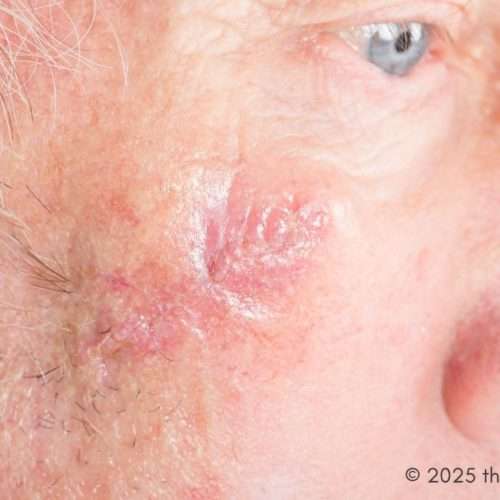
Most people think skin cancer only becomes a concern once a spot looks dark, raised, or obviously different. That assumption causes delays more often than many realise. Some of the earliest changes happen quietly beneath the surface, long before anything looks alarming in the mirror. This is why checking for skin cancer is not just about what can be seen, but about what trained eyes and tools can pick up early.
After years of clinical skin assessment, one pattern keeps repeating. People are surprised when something serious is found in skin that looks completely normal. The skin has a way of signalling trouble early, but those signals are subtle and easy to miss without proper examination.
What follows are five ways skin cancer can be detected before it becomes obvious.
1. Changes in Pigment That Do Not Break the Surface
Early skin cancers often start with microscopic pigment disruption. At this stage, the skin tone may look even and healthy to the naked eye. Under magnification, pigment cells may already be clustering irregularly or spreading unevenly.
These changes tend to appear as faint shadowing or altered colour distribution rather than a clear spot. They are especially common in sun exposed areas like the face, shoulders, and upper back. Without specialised tools, these early patterns blend into normal skin variation.
This is one reason professional skin checks matter even when nothing looks wrong.
2. Abnormal Cell Activity Beneath Intact Skin
Not all skin cancers announce themselves with surface changes. Some develop through abnormal cell growth beneath intact skin layers. The outer surface may feel smooth and look unchanged while deeper layers show early disruption.
This can present as subtle firmness, a barely noticeable thickening, or a change in how light reflects off the skin. These signs are not obvious in photos or casual self checks. They are usually detected through close examination and clinical experience.
Early detection at this stage often prevents the need for more extensive treatment later.
3. Altered Skin Architecture Seen Through Dermoscopy
Dermoscopy allows clinicians to see structures beneath the skin surface that are not visible to the naked eye. It helps assess how cells, pigment, and blood vessels are arranged.
Early changes are often detected in these underlying patterns before anything obvious appears on the surface, such as:
- Irregular or uneven blood vessels
- Pigment breaking into unusual or disordered shapes
These findings do not confirm cancer on their own, but they raise concern when considered alongside other signs. This is why trained skin checks can identify issues earlier than visual inspection alone.
4. Why Some Areas of Skin Catch the Light Differently
Skin that is changing can reflect light differently from the surrounding area. The surface may no longer look even, and it may feel slightly different to touch. These shifts are subtle, not dramatic.
They are usually noticed by comparing one area of skin to another. One spot simply does not behave the same way as the skin around it. Recognising this takes familiarity and experience, which is why early changes are more likely to be picked up during a professional check.
Because these differences develop slowly, most people do not notice them on their own.
5. Pattern Changes Over Time Without Obvious Lesions
One of the clearest early warning signs is change without a clear spot. An area of skin may slowly alter in colour balance, sensitivity, or structure over months or years. There may be no single lesion to point to, just a quiet shift.
When skin is checked regularly, these changes stand out. Without baseline knowledge, they are easy to dismiss as normal ageing or sun exposure. Tracking skin over time is one of the most effective ways to catch problems early.
This is why regular professional checks are recommended even when the skin appears stable.
Why Early Detection Often Surprises People
Many expect skin cancer to look dramatic. In reality, early disease is often understated. It hides in normal looking skin and signals through patterns rather than obvious marks.
People are often shocked when a serious issue is found in an area they never worried about. That reaction is understandable. Skin does not always show distress in obvious ways.
Early detection relies on understanding how skin behaves beneath the surface, not just what appears on top.
What This Means for Skin Checks
Self checks have limits
Checking your own skin is important, but many early changes are subtle and easy to miss. Mirrors and photos cannot replace trained assessment.
Professional checks add experience and tools
A clinical skin check looks beyond what is obvious. Pattern recognition and specialised tools help identify changes that do not stand out visually.
Timing matters more than symptoms
Skin cancer found early is usually simpler to treat. Later detection often means more complex treatment. The difference is often when it is found, not how it feels.
Regular checks support awareness, not fear
Routine skin checks are about staying informed and catching changes early, not creating unnecessary worry.
Conclusion
Skin cancer does not always wait to be seen. It often begins quietly, beneath the surface, altering cells and pigment long before a visible lesion forms. Understanding this helps explain why professional skin checks play such an important role even when the skin looks healthy.
Early detection is not luck. It is the result of careful observation, proper tools, and experience applied over time.
The owners and authors of Cinnamon Hollow are not doctors and this is in no way intended to be used as medical advice. We cannot be held responsible for your results. As with any product, service or supplement, use at your own risk. Always do your own research and consult with your personal physician before using.

Meg is an author at Cinnamon Hollow. She writes on a variety of topics sharing tips and ideas for daily life.