An intake upgrade doesn’t always reveal itself in a single drive. The first impression usually comes from sound. Throttle blips feel different, and there’s a sense that the car is breathing more freely. Give it a few days, and a second layer shows up. The way the car reacts to small throttle inputs starts to matter more than how loud it gets at full load.
That difference traces back to how the intake is built, not just how open it looks.
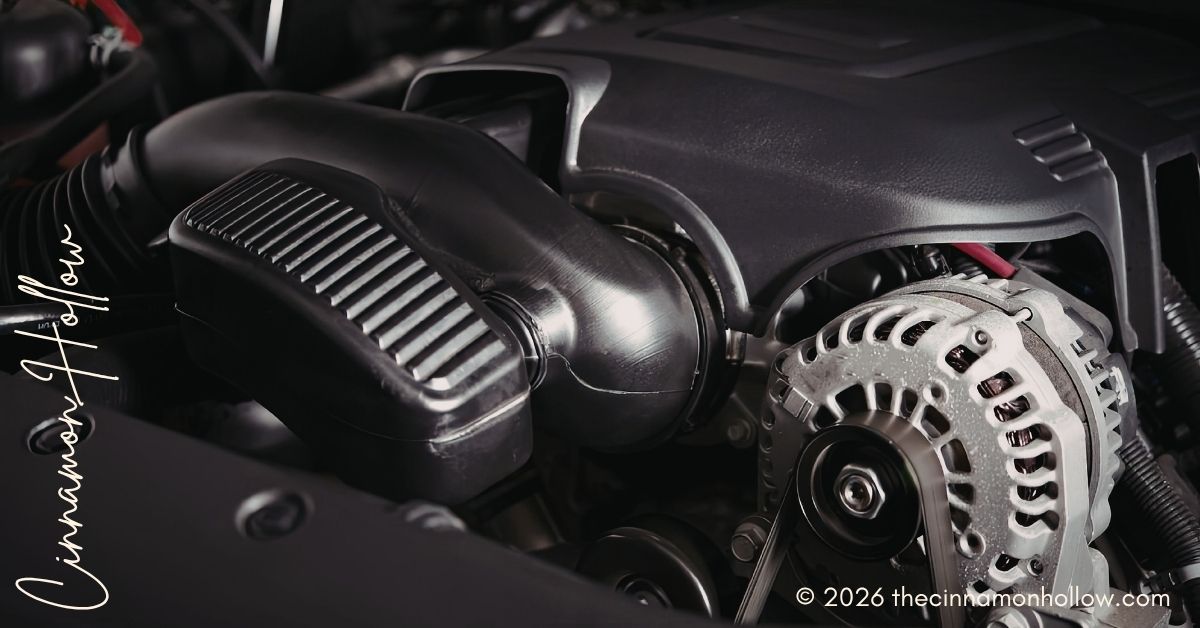
Airflow Route Affects How the Car Feels Off-Throttle
Air doesn’t move through the system in a straight line.
It’s guided through curves, transitions, and sometimes tight spaces depending on the design. A shorter, more direct route tends to make the engine react quicker. You notice it when easing into the throttle from a stop or when adjusting speed slightly on the highway.
At first, that sharper response feels engaging. Over time, it can feel a bit sensitive in slower traffic where smoother control matters more. Designs that stretch the airflow path slightly tend to round off that edge, making the car feel easier to manage without removing response entirely.
Internal Volume Shapes How Sound Builds
The size of the intake chamber changes how sound develops.
Larger volumes don’t rush the sound forward. They let it build as revs climb, which creates a deeper and more layered tone. Smaller chambers do the opposite. The sound shows up quickly and can feel more aggressive even when you’re not pushing hard.
That’s why two intakes can sound completely different even if both claim similar airflow gains.
Material Influences Sound Character
The housing material changes how the intake note reaches you.
Plastic tends to absorb more sound, which keeps things muted. Aluminum reflects more of it, often creating a sharper tone. Carbon fiber sits somewhere between, depending on how it’s constructed.
With an Eventuri intake, the material choice contributes to the overall sound in a way that isn’t obvious from specs alone. It’s something you notice after spending time with the car, especially across different driving conditions.
Heat Soak Alters Response Over Time
Temperature doesn’t stay fixed under the hood.
After driving for a while, the engine bay heats up. Intake air warms with it, and that changes how the engine responds. Cooler air makes the car feel sharper. Warmer air softens that response slightly.
Designs that isolate the intake from engine heat hold onto a more consistent feel. Without that separation, the car can feel lively at the start of a drive and more subdued later on.
Filter Placement Changes What Reaches the Cabin
Where the filter sits affects how much of the intake sound you actually hear.
Open filters allow more of that noise to pass through, especially when accelerating. Enclosed designs keep more of it contained, which results in a quieter, more controlled experience.
Neither approach is wrong. It comes down to how much feedback you want during normal driving.
Smooth Transitions Keep Response Predictable
Airflow quality matters just as much as quantity.
Sharp bends and uneven surfaces create turbulence, even if the intake looks large or unrestricted. That turbulence can make the response feel inconsistent, especially when modulating the throttle.
A smoother internal design helps maintain steady airflow, which keeps the car feeling predictable across different speeds.
Sensitivity Changes With Design Choices
Some intake setups make the engine feel more reactive than expected.
Small throttle inputs lead to noticeable changes in engine behavior. That can feel exciting during spirited driving, but slightly tiring in everyday situations where subtle control matters more.
Other designs don’t react as quickly, but they feel more stable during longer drives. The difference isn’t about bigger or worse, but about how the car fits into daily use.
Interaction With Other Components Matters
The intake doesn’t operate on its own.
Exhaust systems and even driving style all influence how it behaves. A setup that feels balanced in one car might feel slightly off in another if the surrounding components don’t match.
That’s why intake design should be looked at as part of a larger system rather than a standalone upgrade.
The Difference Shows Up After the Excitement Fades
Right after installation, most intakes feel impressive.
After a week or two, what stands out is how the car behaves in normal situations. Whether the throttle feels easy to control. Whether the sound still feels right during longer drives.
That’s where intake design makes its impact, not in the first moment, but in how the car settles into everyday use.