A setup can look dialed in when the car is parked. Clean routing, tight clearances, everything sitting where it should. The problem shows up once the car actually gets used the way it’s meant to. Heat cycles, vibration, repeated movement, and real-world driving start exposing things that didn’t matter in the garage.
A system that holds up isn’t the one that looks best during install. It’s the one that keeps working once everything starts shifting, expanding, and wearing in.
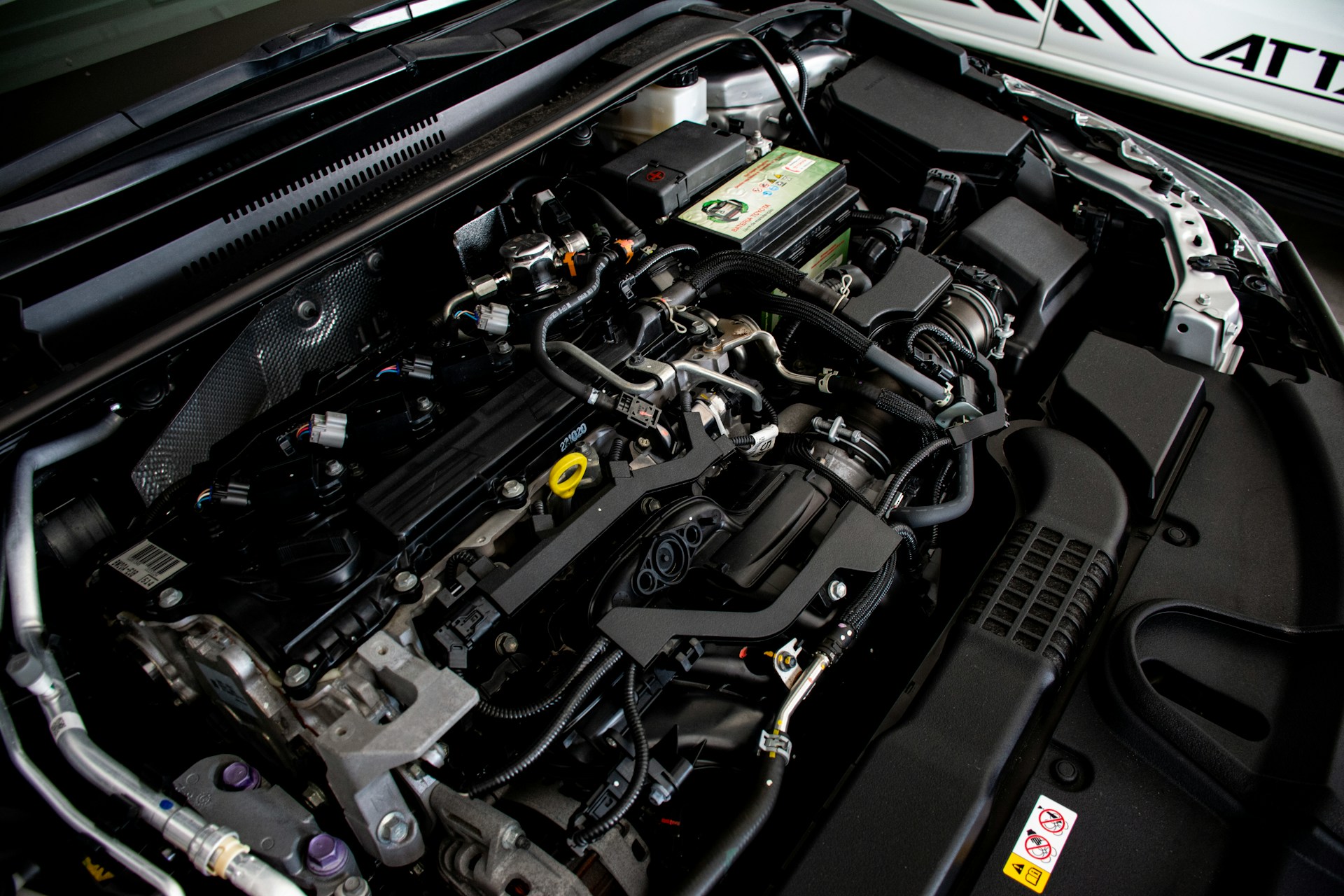
Static Fit Doesn’t Reflect Real Conditions
Parts line up perfectly when nothing is moving.
Once the car is driven, that alignment changes slightly. Engine movement under load, suspension travel, and chassis flex all introduce small shifts. Those shifts aren’t dramatic, but they’re enough to create contact points that didn’t exist before.
That’s where rubbing, noise, and early wear start showing up.
Heat Changes Clearances More Than Expected
Temperature doesn’t stay consistent once the car is in use.
Components expand at different rates. Something that had just enough clearance when cold can tighten up once heat builds. That’s especially noticeable around exhaust routing, intake components, and anything mounted near the engine.
Planning for expansion isn’t about leaving everything loose. It’s about knowing where movement will happen and allowing for it.
Fasteners Loosen Without You Noticing
Everything feels secure during installation.
After repeated driving, vibration works against that initial tightness. Bolts don’t fall out immediately. They back off gradually, just enough to introduce play in the system.
That slight movement creates noise first, then wear, then failure if it’s ignored long enough.
Routing Matters Once Movement Starts
Clean routing isn’t just about appearance.
Hoses, wiring, and lines need to handle movement without tension. If something is stretched too tight, it doesn’t take long for that stress to show. On the other hand, too much slack can create its own problems, especially if parts start contacting each other.
Good routing leaves room for movement without letting things drift.
Real Driving Exposes Weak Mounting Points
Mounting locations that feel solid in the garage can behave differently on the road.
Acceleration, braking, and uneven surfaces all apply force in ways that aren’t easy to replicate during install. A bracket that seemed fine can start flexing slightly, and that flex compounds over time.
That’s usually where cracks or fatigue begin.
Supporting Mods Carry More Load Than Expected
Once you start modifying, supporting components take on extra responsibility.
A performance intake, upgraded exhaust, or added cooling system doesn’t operate in isolation. It changes how surrounding parts behave. That’s why builds that include Corvette accesorries need to account for how each addition affects the rest of the system.
Ignoring that relationship leads to setups that work individually but fail when combined.
Wear Doesn’t Show Up All at Once
Most issues don’t appear immediately.
They develop over miles. A slight misalignment turns into consistent contact. A minor vibration turns into a noticeable rattle. By the time it’s obvious, the underlying cause has already been present for a while.
Catching those early signs matters more than reacting once something breaks.
Maintenance Becomes Part of the System
A build that works long-term usually includes regular checks.
Not because something is wrong, but because conditions change. Re-tightening fasteners, checking clearances, and looking for early wear keeps small issues from becoming larger ones.
Skipping that step doesn’t save time. It shifts the problem further down the road.
What Helps Systems Hold Up Under Use
- Leave realistic clearance for heat expansion and movement
- Use fasteners that can handle vibration without backing out
- Route lines and wiring with both slack and control in mind
- Reinforce mounting points that carry repeated load
- Check the system after initial driving, not just after install
These steps don’t make a build look better. They make it last longer.
The Difference Shows Up After Miles
A system that works under real conditions doesn’t stand out right away.
It doesn’t develop new noises after a few drives. It doesn’t shift out of place once everything heats up. It keeps behaving the same way it did when it was first installed, even after repeated use.
That consistency is what separates a clean install from one that actually holds up once the car leaves the garage.