The EPA estimates that indoor air can be two to five times more polluted than outdoor air. That matters because most Americans spend around 90% of their time indoors, and the pollutants involved are ones you rarely see: combustion gases from cooking, VOCs off-gassing from furniture, fragrance chemicals from cleaning products, and allergens carried in on shoes and pets.
Detoxing your home means reducing those exposure sources. It does not mean gutting your house or buying a cabinet full of new products. The changes below are ordered roughly by impact, and most cost little or nothing.
aliaksandrbarysenka
1. Ventilate When You Cook
Cooking is one of the largest sources of indoor air pollution in most homes, and gas stoves are the worst offenders. Burning gas indoors produces nitrogen dioxide, carbon monoxide, and fine particulate matter. Studies have measured NO2 levels in kitchens that exceed outdoor air quality standards within minutes of turning on a burner.
You do not need to replace your stove to reduce the problem:
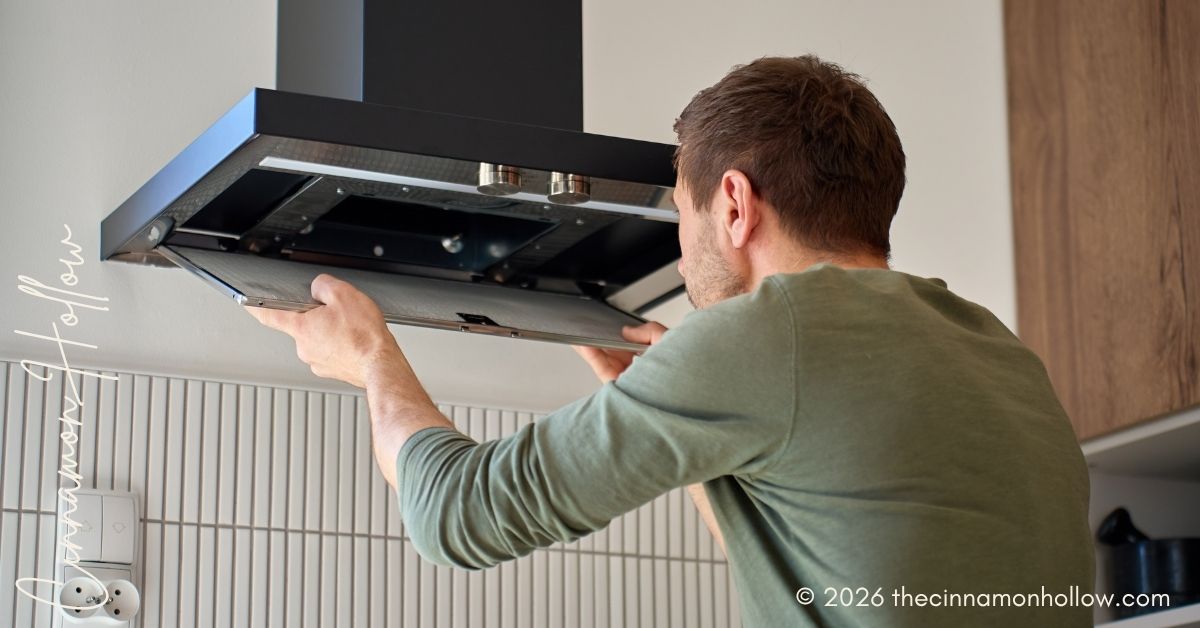
- Run the range hood every time you cook, not just when something smokes. If your hood vents outside, use it on the highest tolerable setting. If it only recirculates, open a window as well.
- Cook on the back burners. Most hoods capture far more from the rear of the cooktop.
- Open a window for a few minutes after cooking, even in winter. A short burst of cross-ventilation clears particulates faster than leaving one window cracked all day.
Electric and induction cooktops still produce particulates from the food itself, especially when frying or searing, so the hood habit applies to every kitchen.
2. Control Moisture Before Mold Starts
Mold needs moisture, and it establishes itself within 24 to 48 hours of water exposure. Controlling humidity is cheaper and more effective than treating mold after it appears.
Keep indoor humidity between 30% and 50%, the range the EPA recommends. A basic hygrometer costs under $15 and tells you where you stand. Beyond that:
- Run the bathroom exhaust fan during showers and for 20 minutes after.
- Fix plumbing leaks immediately. A slow drip under a sink can feed mold inside a cabinet for months before you smell it.
- Leave the washing machine door open between loads so the drum and gasket dry out.
- If your basement or crawl space stays damp, a dehumidifier does more for air quality than any air purifier.
3. Cut Dust at the Source
House dust is not just dirt. It accumulates whatever settles out of your air: skin cells, fabric fibers, pet dander, pollen, and residues from products used in the home. Flame retardants and other chemicals from furniture and electronics also bind to dust, which is why reducing it counts as detoxing rather than just tidying.
The highest-impact habits:
- Take shoes off at the door. Shoes track in lead dust, pesticides, and bacteria from outside. A washable entry mat catches most of what a no-shoes rule misses.
- Vacuum with a sealed HEPA machine. A vacuum without HEPA filtration blows the finest particles straight back into the air.
- Wipe surfaces with a damp microfiber cloth. Dry dusting redistributes dust rather than removing it.
- Wash bedding weekly in hot water (130°F or above) to kill dust mites, which are among the most common indoor allergens.
4. Simplify Your Cleaning Products
More products do not make a cleaner home. Most households can handle nearly every surface with three or four items, and fewer products means fewer chemical residues and less to store safely.
When choosing cleaners, favor short, fully disclosed ingredient lists and fragrance-free formulas. Fragrance mixes are among the most common causes of contact allergy identified in patch testing, and a “fragrance” listing on a label can legally cover dozens of undisclosed chemicals.
Two safety rules that never bend:
- Never mix bleach with ammonia or with acids like vinegar. Bleach and ammonia produce chloramine gas. Bleach and acid produce chlorine gas. Both can hospitalize you in an enclosed room.
- Keep products in original containers, away from kids and pets. Transferring cleaners into unmarked bottles is a leading cause of accidental poisoning calls.
5. Detox the Kitchen Where Food Makes Contact
The kitchen deserves extra scrutiny for a simple reason: residues here end up on the surfaces and dishes your food touches.
Start with the dishwasher. Detergent residue is designed to rinse away, but films can remain on dishes, glassware, and cookware, particularly with heavily dyed formulas or when the machine is overloaded. Switching to a non-toxic dishwasher detergent made without chlorine bleach, phosphates, dyes, or fillers removes an unnecessary chemical layer from the plates you eat off every day, without giving up cleaning performance on grease and baked-on food.
Then work through the rest:
- Retire scratched non-stick pans. Damaged coatings shed material into food and lose their function anyway. Cast iron and stainless steel handle high heat without the concern.
- Do not microwave plastic unless the container is explicitly rated for it, and replace plastic containers once they are cracked or deeply scratched. Damaged plastic harbors bacteria and degrades faster with heat.
- Store pantry staples in airtight glass or steel containers, which resist pests and do not absorb odors or stains the way plastic does.
- Wipe counters after every meal prep and clean the sink daily. Food residue is what attracts pests, and pest problems usually get treated with pesticides.
6. Clean Up Your Laundry Routine
Laundry products leave residues on the fabrics that sit against your skin all day and night. That makes the laundry room a high-leverage place to cut unnecessary chemicals.
- Choose an unscented laundry detergent and measure it. Excess detergent does not clean better. It builds up in fabric and in the machine.
- Skip dryer sheets and fabric softeners, which work by coating fibers with a chemical film. Wool dryer balls reduce static and drying time without the residue.
- Clean the washer monthly and clear the lint filter after every dryer load. Lint buildup in the dryer vent is also a leading cause of house fires, so this habit pays twice.
7. Let New Purchases Off-Gas
That “new” smell from furniture, mattresses, carpet, and fresh paint is VOCs evaporating into your air. Emissions are highest in the first days to weeks after manufacture and drop steadily from there.
Practical steps:
- Unbox and air out new mattresses and furniture in a garage or well-ventilated room for a few days before regular use.
- Choose low-VOC or zero-VOC paint, and keep windows open during and after painting. Modern low-VOC paints perform as well as conventional ones.
- When buying pressed-wood furniture, look for products labeled as compliant with CARB Phase 2 or TSCA Title VI formaldehyde standards. These are federal requirements for composite wood sold in the US, so compliant products are easy to find.
8. Check Your Water, Then Filter for What Is Actually in It
Water filters are only worth buying when they target contaminants your water actually contains. Every US community water system publishes an annual Consumer Confidence Report, and the EPA hosts a lookup tool. Read yours first.
If you decide to filter, choose one certified by NSF/ANSI for the specific contaminants you care about, such as lead, chlorine byproducts, or PFAS. Certification matters because filter marketing is loosely regulated and many cheap filters remove little beyond chlorine taste. Whatever you buy, replace cartridges on schedule. An expired filter can shed accumulated contaminants back into your water.
9. Rethink Fragrance Throughout the Home
Air fresheners, plug-ins, and scented candles do not clean air. They add chemicals to it. Burning candles and incense also produces fine particulate matter, the same pollutant class that makes wildfire smoke harmful.
The better approach is removing odor sources instead of covering them:
- Empty trash before it smells and clean the garbage disposal weekly.
- Wash pet bedding often.
- Keep bathrooms dry so mildew never gets started.
- Ventilate after cooking rather than lighting a candle over the smell.
If you enjoy scent in your home, occasional use of a quality candle in a ventilated room is a reasonable trade-off. Running plug-in fresheners around the clock is not.
Frequently Asked Questions
Do houseplants purify indoor air?
Not meaningfully. The NASA study this claim comes from was conducted in small sealed chambers. Follow-up research found you would need hundreds of plants per room to match the effect of opening a window. Keep plants because you like them, and rely on ventilation for air quality.
Is vinegar a good all-purpose cleaner?
It cuts mineral deposits and light grease, but it is not a registered disinfectant and should never be used on stone counters, which it etches. For routine cleaning it is fine. For sanitizing after raw meat, use a product registered for disinfection.
What is the single fastest change I can make?
Run the range hood every time you cook and open windows for ten minutes a day. Ventilation addresses more pollutant categories at once than any product swap.
How do I know if VOCs are a problem in my home?
Persistent chemical or “new product” smells, headaches that ease when you leave the house, and recent renovation or new furniture are the common signals. Consumer VOC meters exist but vary in accuracy. Ventilation and source removal help regardless of measurement.
Can a home ever be completely toxin-free?
No, and chasing that standard leads to wasted money. The realistic goal is cutting the largest exposure sources: combustion gases, moisture and mold, dust, and unnecessary fragranced products.
Final Thoughts on The Detox
Most of the impact in a home detox comes from a handful of habits: ventilate when you cook, keep humidity in range, control dust, and stop bringing in chemicals you do not need, starting with the products that touch your dishes and clothes. Work through one change a week and the whole list takes about two months, with nothing to maintain afterward except habits that are easier than the ones they replace.

Hi, I’m Crystal – a Kentucky-based Aromatherapist, wife, mom and the voice behind The Cinnamon Hollow. I share cozy, real-life inspiration for healthier routines, simple home living, essential oil use and safety, beauty, pets, and family adventures. From everyday tips to travel guides, my goal is to help you create a warmer life and embrace each day as its own little adventure. Always remember to live life, one adventure at a time! read more