Maintaining healthy feet is often overlooked in our daily health routines, yet foot health is a crucial part of overall well-being. Each season introduces specific challenges that can impact how our feet look and feel. By understanding these seasonal variations and taking a proactive approach, you can prevent many common foot ailments. If you’re concerned about ongoing foot discomfort or chronic issues, consider scheduling a comprehensive pedorthic assessment for Ottawa patients to identify potential causes and receive personalized care guidance. Adapting your foot care to the time of year can help you avoid pain, keep skin in good condition, and enjoy an active lifestyle with confidence.
Key Takeaways
- Seasonal changes affect foot health and call for specific care strategies throughout the year.
- Good footwear choices and mindful hygiene routines are important in preventing foot problems.
- Regularly monitoring feet and taking early action helps prevent issues from worsening.
Seasonal changes mean that foot care is never a one-size-fits-all routine. With shifts in temperature, changes in footwear, and activity levels, the risk of issues like fungal infections, dry skin, or stress injuries also evolves. Adopting a tailored approach to foot health helps prevent issues before they become painful or disruptive.
Everyone can benefit from regular self-checks, the right footwear, and the practice of habits that promote comfort and resilience. Understanding the most common pitfalls of each season will position you to maintain healthy feet, regardless of what Mother Nature brings.
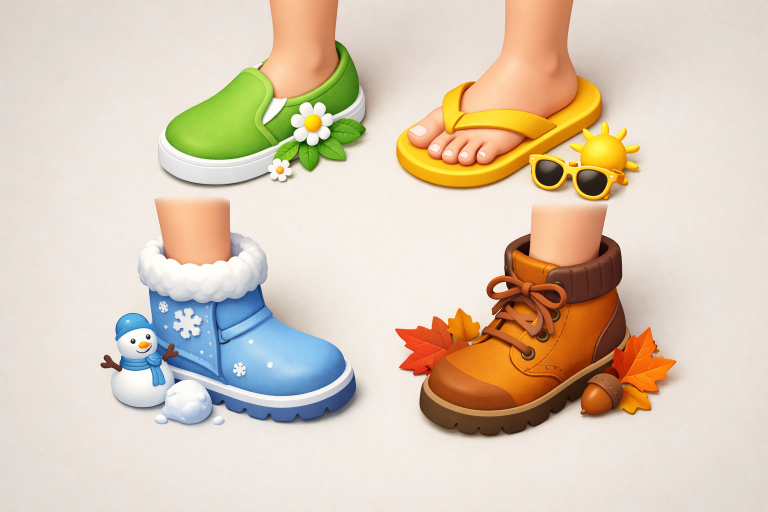
Spring: Preparing Your Feet for Increased Activity
With spring’s arrival, many people return to regular walking, jogging, gardening, and outdoor sports. After a winter of reduced activity and wearing heavy boots, this sudden increase in movement can strain your feet, particularly if you jump into new routines too quickly.
- Gradual Activity Increase: Let your muscles and joints adapt by slowly increasing your activity levels to prevent injuries like stress fractures and tendonitis.
- Footwear Assessment: Inspect your sneakers and athletic shoes. If they show signs of wear, such as a worn sole or flattened cushioning, replace them to support your feet and avoid pain.
- Moisture Management: Spring often brings wet weather, creating an ideal environment for fungal infections. Choose moisture-wicking socks and waterproof shoes to keep your feet dry and healthy.
Summer: Protecting Against Heat and Humidity
Warm weather invites us to spend more time outdoors, but heat and humidity can cause increased sweating, swelling, and even sunburn on our feet. These factors make summer a prime season for blisters, fungal infections, and discomfort.
- Breathable Footwear: Shoes or sandals that allow for ventilation help to reduce sweating and keep feet cooler.
- Sun Protection: Applying sunscreen to your feet is essential, especially if you plan to spend extended time outside in sandals.
- Hydration: Staying well-hydrated supports your skin’s natural elasticity and helps reduce swelling in hot weather.
- Limit Flip-Flop Use: While convenient, flip-flops often lack the support needed for healthy feet. Look for sandals with solid arch support and cushioning when possible.
For more in-depth summer foot care advice, see the Sutter Health Healthy Summer Feet guide for expert-backed tips.
Autumn: Transitioning Footwear and Preventing Injuries
As temperatures cool, people switch back to closed-toed shoes. This transition, if done too quickly, may lead to blisters, calluses, or exacerbate pre-existing problems like bunions or corns. Dry, cool air also makes skin care a priority.
- Gradual Transition: Make the switch to closed footwear over several days to let your feet adapt and prevent soreness.
- Footwear Inspection: Check shoes for fit, support, and potential rubbing points. Replace or adjust footwear when necessary to avoid friction-related injuries.
- Moisturize: Use a high-quality moisturizer to protect against dry, cracked skin from autumn air.
Winter: Combating Cold and Dryness
Winter brings temperature extremes, water, salt, and dry indoor air. These can all impact your feet by reducing circulation or increasing dryness and risk of cracking. Keeping feet warm and moisturized is critical for preventing painful splits or injury.
- Insulated Footwear: Opt for warm, waterproof boots and insulation to maintain foot warmth and comfort outdoors.
- Moisturize Daily: Use thick, formulated foot creams to prevent painful cracking caused by indoor heating and outdoor chills.
- Regular Inspections: If you have diabetes or circulation concerns, check your feet daily for signs of frostbite, chilblains, or skin breakdown.
Those looking for comprehensive winter-specific recommendations may benefit from the Cleveland Clinic’s guide to winter rash.
General Foot Care Tips for All Seasons
- Regular Hygiene: Clean feet every day and dry thoroughly, paying close attention to the spaces between toes to prevent infection.
- Nail Care: Trim toenails straight across to avoid ingrown nails and the discomfort they cause.
- Foot Exercises: Gentle stretching and foot exercises help to maintain flexibility and strength, reducing your risk of injury.
- Seek Professional Advice: If you notice persistent pain or signs of infection, consult a foot care professional or podiatrist for targeted help.
Conclusion
By staying attentive to your feet and adjusting your foot care routine with each season, you can prevent the majority of common foot problems and enhance your comfort year-round. Remember, a small investment in daily care and proper footwear goes a long way. Proactive steps today can help keep you active, mobile, and pain-free all year long.
The owners and authors of Cinnamon Hollow are not doctors and this is in no way intended to be used as medical advice. We cannot be held responsible for your results. As with any product, service or supplement, use at your own risk. Always do your own research and consult with your personal physician before using.