Mental health is something we all have and something we all need to work on every day if we want to stay happy and healthy. It’s not something you can just fix once and then never think about again. Good mental health means having consistent habits in place to keep things sticking over nicely, and that being the case, let’s take a look at 10 ways you can support your mental health every day.
1. Start your morning with intention
One of the best ways to take better care of your mental health each day is to start each day the right way. So many of us reach for our phones as soon as we wake up, and this is not great because it can flood our brains with noise even before we are fully awake.
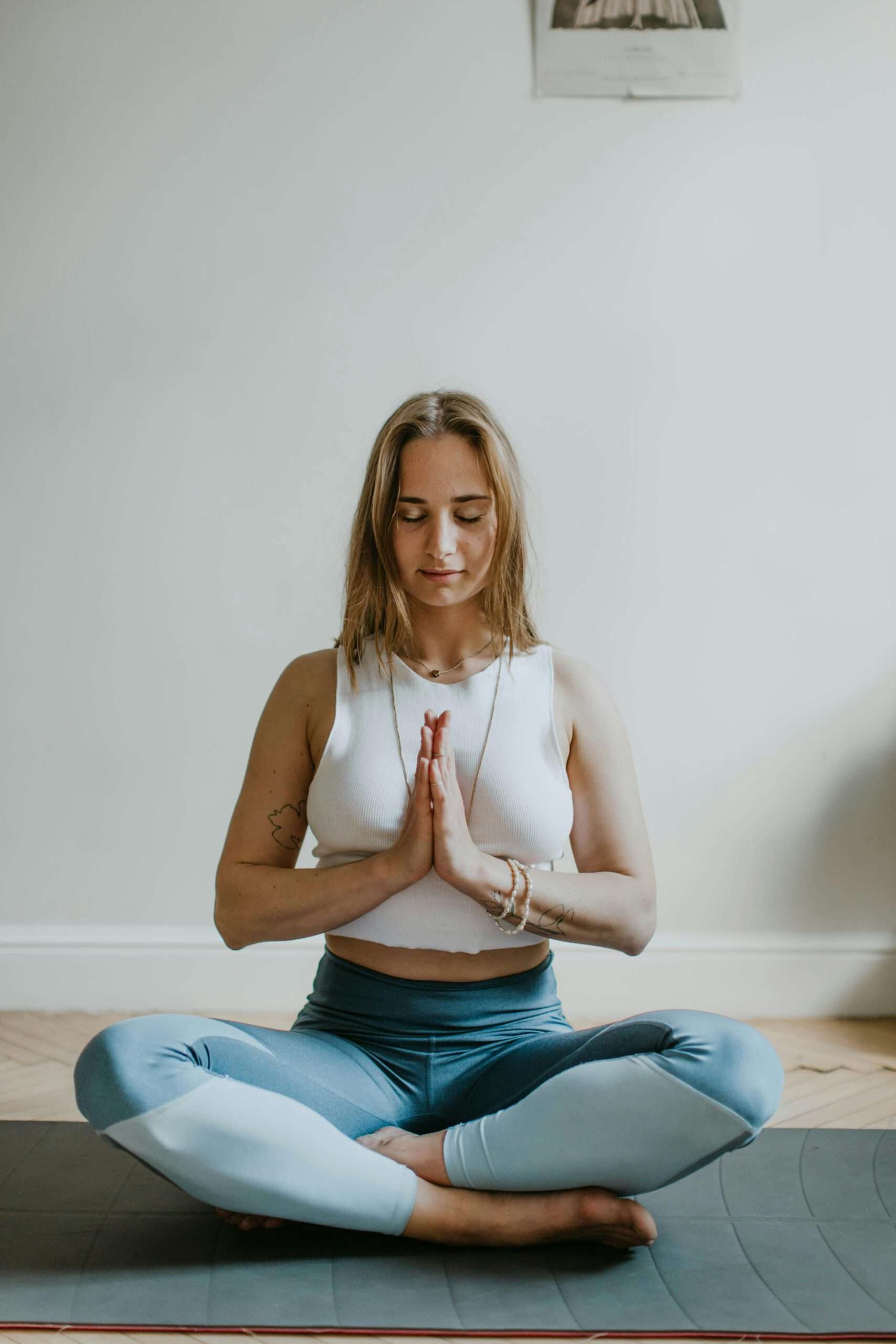
Instead, you should try to start the day with something more grounding, whether that means taking a few deep breaths, doing a mindfulness meditation, or having a glass of water and a stretch. Even two minutes of intention will help you set you off on the right foot. Small rituals create stability; it’s that simple.
2. Move your body regularly
Don’t worry if you’re not exactly a big exercise fan because although movement is very important for good mental health, it does not mean you have to spend hours sweating it out at the gym to get the benefits. It can be as simple as a short walk around the block, 10 minutes of yoga, or even dancing around the kitchen with your favorite tunes on.
Movement releases tension and encourages your body to process stress more effectively. It also provides a break from screens and constant input. Consistency is more important than intensity here.
3. Stay connected to others
Isolation is really bad for your mental health, which is why you should make sure that you connect with someone, even if it is just having a quick chat with someone in the grocery store line, each day.
Send a message to a friend. Check in with a family member. Join a community group or class. Human interaction does not have to be deep or dramatic to be meaningful. Feeling seen and heard makes more difference than you might imagine, so no matter how bad you are feeling, try not to skip this step.
4. Limit overstimulation
Constant notifications, news updates, and social media scrolling can increase anxiety without you realizing it. So, you should really try to set boundaries around screen time. Turn off non-essential notifications. Create moments in your day that are free from digital distractions. Mental space is more valuable than you can imagine.
5. Practice mindful breaks
Taking short breaks throughout your day is a great way to prevent stress from building up and hitting your mental health hard. All you need to do is step outside for a quick breath of fresh air and close your eyes for a minute or two while you focus on your breathing, and you will be more refreshed than you think
If you have time for alonger mindfulness session or two then that is great, but you really do not need to pencil in a long meditation session each day to get the benefits. Even a brief pause allows your nervous system to reset, so do what you can.
6. Maintain healthy sleep habits
Sleep plays a major role in emotional regulation. Try to keep a consistent sleep schedule and create a calming wind-down routine ig you want to be able to get a good night’s sleep.
It’s always a good idea to limit screen time before you go to bed and to keep your bedroom cool and dark if you can. You need to prioritize rest as part of your self-care and not just an afterthought because better sleep often leads to better mood stability, and these things will help.
7. Be thoughtful about substances
Some people use substances as a way to relax or cope with stress. It is important to be mindful about how and why you use them, if you do at all.
For example, while some individuals explore products such as cannabis concentrates in regions where they are legal, and have good results doing so because it helps to calm them, it is essential to understand potential effects and consult healthcare professionals, such as those at True Green, if needed. Mental health support works best when decisions are informed and balanced. Awareness protects long-term wellbeing.
8. Set realistic daily goals
It is never a good idea to overload yourself with unrealistic expectations if you care about good mental health because doing so can put you under unnecessary pressure. Instead, it is a good idea to focus on achievable daily goals. Completing even small tasks can build a sense of accomplishment. That positive momentum often carries into other areas of life.
Progress does not have to be dramatic to be meaningful, and you need to remember that always.
9. Seek professional support when needed
It’s always good to be reminded that there is strength in asking for help. Therapy, counseling, or speaking with a healthcare provider can provide tools and perspective that friends and family may not be able to offer, so do not be afraid to pursue them.
Mental health support is not reserved for crisis situations. Ongoing guidance can improve resilience and coping skills. You really do not have to do everything alone.
10. Practice self-compassion
Perhaps the most important daily habit is self-compassion. Everyone has difficult days. Negative thoughts happen. Mistakes are part of being human.
Notice how you speak to yourself. Would you talk to a friend in the same way? Learning to respond with patience rather than criticism can shift your internal environment significantly.
Mental health is a tricky thing and how you are feeling can ebb and flow over time, but if you build these daily support habits into your everyday life, you will start to notice that you have more good days than bad and life just seems to feel a little easier.
The owners and authors of Cinnamon Hollow are not doctors and this is in no way intended to be used as medical advice. We cannot be held responsible for your results. As with any product, service or supplement, use at your own risk. Always do your own research and consult with your personal physician before using.

Meg is an author at Cinnamon Hollow. She writes on a variety of topics sharing tips and ideas for daily life.