Understanding Commercial Facility Maintenance and Its Business Value
Effective commercial facility maintenance is far more than just fixing things when they break; it’s a strategic imperative for any business operating a physical space. It encompasses a broad spectrum of activities aimed at preserving, protecting, and enhancing a commercial property’s value, functionality, and safety throughout its entire building lifecycle. From routine inspections to complex system overhauls, these efforts directly influence operational uptime, tenant satisfaction, and long-term financial health.
Neglecting facility maintenance can lead to a cascade of negative consequences, including increased operational costs, decreased property value, higher safety risks, and significant tenant turnover. Conversely, a well-managed facility contributes to a positive brand image, attracts and retains tenants, and supports a productive work environment. For instance, commercial buildings are substantial energy consumers, accounting for nearly 20% of U.S. energy consumption. Proactive maintenance in this area alone can lead to significant cost savings and contribute to sustainability initiatives.
The Core Pillars of Commercial Facility Maintenance
To effectively manage a commercial facility, it’s crucial to understand the different approaches to maintenance. These strategies work in concert to ensure optimal performance and longevity.
- Preventive Maintenance: This proactive approach involves scheduled, routine tasks designed to prevent equipment failures and extend asset lifespan. Examples include regular HVAC filter changes, lubrication of moving parts, and seasonal system checks. By adhering to a comprehensive preventive maintenance schedule, businesses can avoid unexpected breakdowns, reduce emergency repair costs, and maintain consistent operational efficiency.
- Corrective Maintenance: Also known as reactive maintenance, this involves addressing issues after they have occurred. While the goal is to minimize its frequency through preventive measures, corrective maintenance is essential for resolving unforeseen problems, such as a burst pipe or an electrical fault, to restore functionality promptly.
- Emergency Response: This specialized form of corrective maintenance deals with critical failures that pose immediate threats to safety, operations, or property integrity. Having robust emergency response protocols in place ensures rapid intervention for issues like major power outages, significant leaks, or fire system malfunctions, minimizing damage and downtime.
Beyond these core types, effective facility maintenance also integrates crucial elements like safety compliance, ensuring all building systems meet regulatory standards. It prioritizes indoor air quality (IAQ) to foster a healthy and productive environment for occupants. Furthermore, attention to the building envelope – the roof, walls, windows, and foundation – is vital for structural integrity, energy efficiency, and protecting interior assets from the elements.
Financial Impact: Proactive vs. Reactive Approaches
The choice between a proactive or reactive maintenance strategy has profound financial implications for commercial properties. While reactive maintenance might seem cheaper in the short term by only addressing problems as they arise, it inevitably leads to higher overall costs due to emergency repairs, extensive downtime, and accelerated equipment depreciation. Proactive maintenance, conversely, is an investment that yields substantial returns.
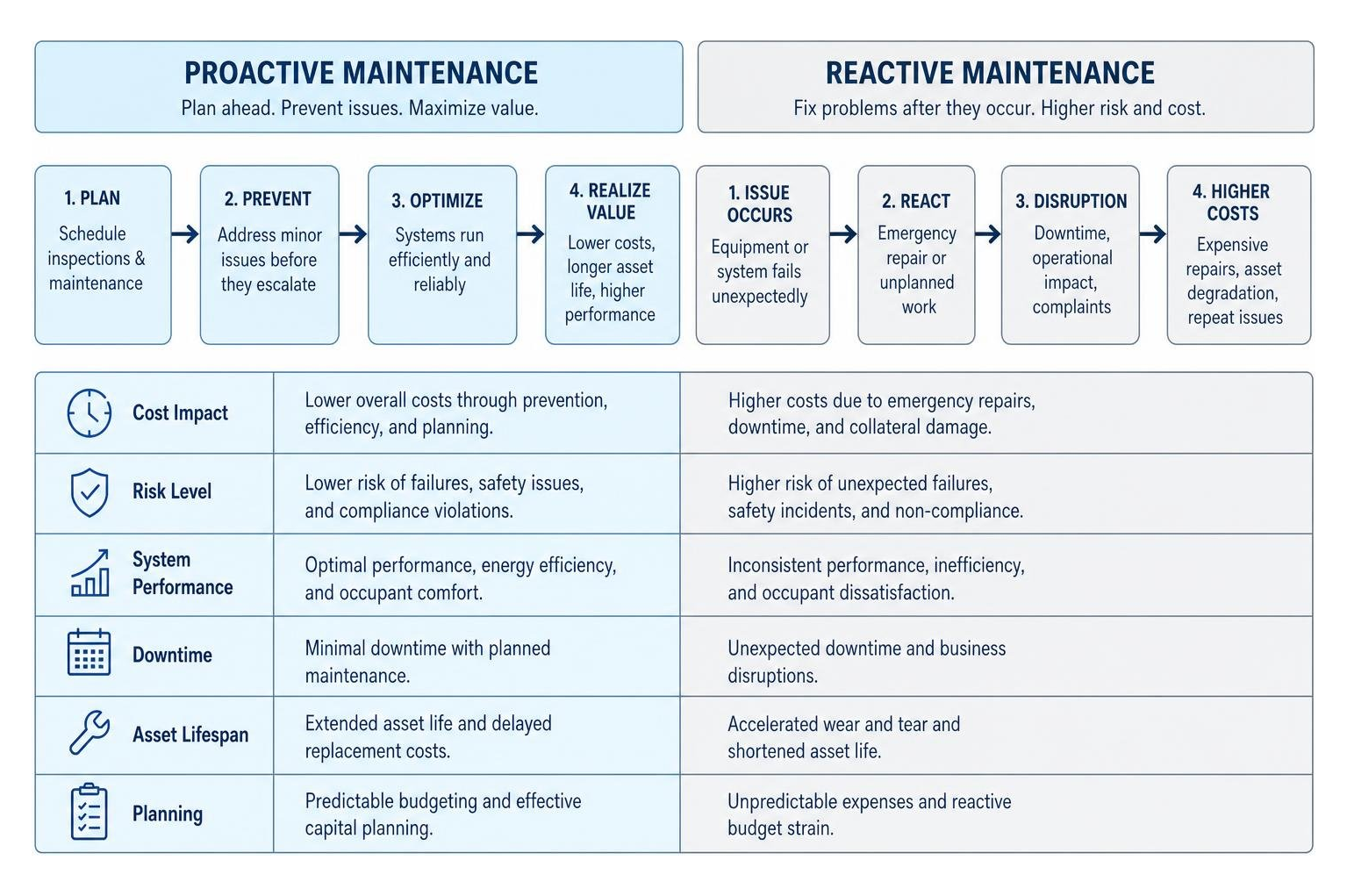
Proactive strategies, such as implementing comprehensive preventive maintenance schedules, significantly reduce the likelihood of catastrophic failures. This not only lowers emergency repair costs but also optimizes utility expenses by ensuring systems like HVAC and lighting operate at peak energy efficiency. By extending the equipment lifespan, businesses can delay costly capital expenditures for replacements, allowing for more strategic capital planning. This foresight helps manage depreciation more effectively and safeguards the property’s long-term value. In July 2026, with rising operational costs, adopting a proactive stance is more critical than ever for financial stability and sustained profitability.
Essential Systems in a Commercial Building Maintenance Checklist
A thorough commercial building maintenance checklist is the backbone of a well-managed facility. It ensures that all critical systems and areas receive regular attention, preventing small issues from escalating into major problems.
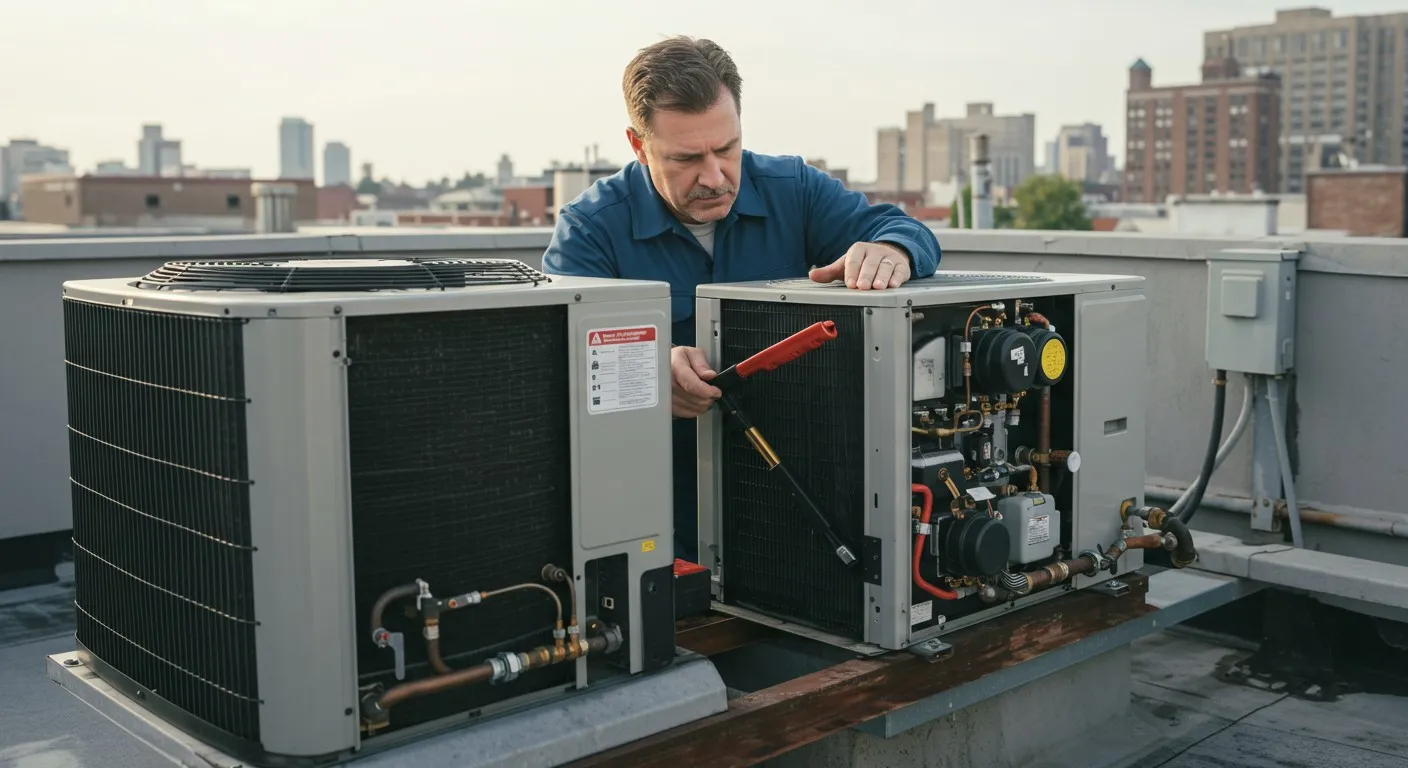
Such a checklist typically covers a wide array of components, including HVAC systems, electrical infrastructure, plumbing networks, structural integrity, and various safety systems. Each element plays a vital role in the building’s overall functionality, safety, and occupant comfort.
HVAC and Climate Control Optimization
The heating, ventilation, and air conditioning (HVAC) system is often the largest energy consumer in a commercial building and directly impacts indoor air quality and occupant comfort. Proper maintenance is paramount. This includes regular air filtration replacement to ensure clean air circulation and optimal system performance. Monitoring refrigerant levels is also critical, as low levels can reduce efficiency and lead to system strain.
Seasonal transitions require specific attention, such as preparing systems for heating in winter and cooling in summer, which often involves cleaning coils and checking thermostats. Routine energy efficiency audits can identify areas for improvement, reducing operational costs. Furthermore, inspecting ductwork for leaks or blockages ensures efficient air distribution. For businesses in the Jacksonville area, ensuring your climate control systems are in top condition is especially important given the local weather. Timely and professional Commercial facility AC repair Jacksonville can prevent major disruptions and keep your building comfortable and efficient year-round.
Electrical and Power Distribution
The electrical system is the lifeblood of any commercial facility, powering everything from lighting to critical machinery. Maintenance here focuses on safety and reliability. Infrared thermography is a valuable diagnostic tool, identifying “hot spots” in electrical panels that indicate potential overheating and fire hazards before they become critical. Regular checks of backup generators ensure they will function correctly during power outages, maintaining business continuity.
Inspecting panel boards for wear, corrosion, or outdated components is also essential. Maintaining lighting systems, including timely bulb replacement and ballast checks, contributes to safety and energy efficiency. Surge protection devices should be inspected to safeguard sensitive electronics. Adherence to electrical safety standards and codes is non-negotiable to protect occupants and prevent costly incidents.
Plumbing and Water Management
A reliable plumbing system is crucial for hygiene, sanitation, and preventing water damage. Key maintenance tasks include routine leak detection throughout the building’s piping to catch minor issues before they become significant floods. Backflow prevention devices must be regularly tested and certified to prevent contaminated water from entering the potable water supply.
Water quality testing can identify issues with sediment, hardness, or contaminants that could affect equipment or occupant health. Regular drain maintenance, including clearing blockages and treating lines, prevents backups and odors. Finally, pressure calibration ensures that water pressure is consistent and appropriate across all fixtures, preventing both low flow and excessive pressure that could damage pipes.
Janitorial, EVS, and Building Cleanliness
Beyond technical systems, the cleanliness and hygiene of a commercial facility directly impact tenant satisfaction, health, and first impressions. Professional janitorial and environmental services (EVS) are essential. This includes implementing green cleaning practices, utilizing eco-friendly products and methods to minimize environmental impact and improve indoor air quality.
Infection control protocols are particularly important in high-traffic areas, ensuring surfaces are regularly disinfected to prevent the spread of illness. Effective waste management, including recycling programs and proper disposal, contributes to a cleaner environment. Regular floor care, from daily sweeping to periodic deep cleaning and waxing, preserves flooring materials and enhances aesthetics. High-touch disinfection of door handles, elevator buttons, and common area surfaces is a critical component of maintaining a healthy space. For businesses seeking comprehensive and meticulous cleaning services, partnering with providers like SkyLine commercial maintenance can ensure your facility consistently meets the highest standards of cleanliness and hygiene.
Leveraging Technology in Modern Facility Management
The landscape of commercial facility management is being rapidly transformed by technology. Modern tools empower facility managers to move beyond reactive fixes and embrace data-driven, proactive strategies.
At the forefront of this revolution is the Computerized Maintenance Management System (CMMS). A CMMS streamlines maintenance operations by automating work orders, scheduling preventive maintenance, tracking asset history, and managing inventory. This central repository of information allows facility teams to optimize resource allocation, reduce paperwork, and improve accountability.
IoT (Internet of Things) sensors are another game-changer. These small, networked devices can monitor various aspects of a building in real-time, from temperature and humidity to equipment vibration and energy consumption. For example, sensors on HVAC units can detect subtle changes in performance, signaling a potential issue before it leads to a breakdown.
This real-time data feeds directly into predictive maintenance strategies. Instead of maintaining equipment on a fixed schedule (preventive) or waiting for it to fail (corrective), predictive maintenance uses data analytics to forecast when a component is likely to fail. This allows maintenance to be scheduled precisely when needed, minimizing downtime and optimizing resource use.
Building Automation Systems (BAS) integrate and control various building functions, such as HVAC, lighting, and security. When combined with IoT and CMMS, BAS creates a truly “smart building.” Data analytics platforms then process the vast amounts of information generated by these systems, providing actionable insights into energy usage patterns, operational inefficiencies, and potential cost savings. This smart building integration leads to more efficient operations, enhanced occupant comfort, and significant reductions in energy consumption.
Ensuring Regulatory, Environmental, and Safety Compliance
Maintaining a commercial facility involves navigating a complex web of regulations, standards, and guidelines. Ensuring compliance is not merely about avoiding fines; it’s fundamental to protecting occupants, preserving the environment, and safeguarding the business’s reputation. Comprehensive compliance documentation is essential, providing a clear record of all inspections, certifications, and maintenance activities.
Key regulatory bodies and standards often include:
- OSHA (Occupational Safety and Health Administration) standards: These govern workplace safety, requiring facilities to maintain safe working conditions, including proper electrical safety, fall protection, and emergency egress.
- EPA (Environmental Protection Agency) regulations: These cover environmental aspects such as waste management, hazardous material handling, and emissions, particularly relevant for facilities with industrial processes or specific waste streams.
- Local fire codes: These dictate requirements for fire suppression systems, alarms, exits, and fire safety plans, which must be regularly inspected and maintained.
- ADA (Americans with Disabilities Act) accessibility standards: Facilities must ensure accessibility for individuals with disabilities, covering aspects like ramps, door widths, restroom configurations, and clear pathways.
Beyond mandatory regulations, many businesses are increasingly focusing on ESG (Environmental, Social, and Governance) goals and sustainability initiatives. Facility maintenance plays a crucial role here, as energy-efficient HVAC systems, water conservation measures, green cleaning practices, and responsible waste management all contribute to a facility’s sustainability profile. Proactive maintenance helps ensure that these systems operate efficiently, reducing the facility’s carbon footprint and demonstrating corporate responsibility. Regular audits and updates to maintenance practices are necessary to adapt to evolving standards and best practices in this critical area.
Frequently Asked Questions About Commercial Facility Maintenance
What is the difference between preventive and predictive maintenance?
While both preventive and predictive maintenance are proactive strategies aimed at avoiding equipment failure, they differ in their approach. Preventive maintenance is time-based or usage-based; it involves performing scheduled tasks at regular, predetermined intervals (e.g., changing filters every three months, lubricating machinery every 500 hours). The goal is to prevent issues from occurring by addressing potential wear and tear before it becomes a problem.
Predictive maintenance, on the other hand, uses technology like IoT sensors and real-time data analysis to monitor the actual condition of equipment. Instead of adhering to a fixed schedule, maintenance is performed only when the data indicates that a component is nearing failure. This approach allows for more precise scheduling of maintenance, reducing unnecessary interventions and optimizing the lifespan of assets. It’s about failure prevention based on actual condition, not just elapsed time.
How does indoor air quality impact commercial tenants?
Indoor air quality (IAQ) has a significant and direct impact on commercial tenants, affecting their comfort, health, and productivity. Poor IAQ, often caused by inadequate ventilation, high levels of pollutants (e.g., VOCs from cleaning products, mold, dust), or improper humidity levels, can lead to various issues. Tenants may experience symptoms like headaches, fatigue, respiratory problems, and allergies, collectively known as “sick building syndrome.”
Conversely, excellent IAQ, supported by robust HVAC filtration, proper ventilation, and regular maintenance, contributes to a healthier and more comfortable environment. This translates to increased occupant comfort, fewer health complaints, and ultimately, higher productivity. In July 2026, with a heightened awareness of health and well-being, maintaining high IAQ standards is not just a regulatory concern but a key factor in tenant satisfaction and retention.
Why is consolidating facility services under a single partner beneficial?
For businesses, especially those with multi-site or large-scale operations, consolidating various facility services (like cleaning, HVAC, electrical, plumbing, landscaping) under a single professional service provider offers numerous advantages. This integrated approach significantly simplifies vendor management, reducing the administrative burden of coordinating multiple contracts and contacts.
The benefits extend to cost efficiency, as a single provider can often offer bundled services at a more competitive rate and identify synergies across different maintenance areas. Streamlined communication is another key advantage; instead of contacting several different companies for various issues, facility managers have a single point of contact, leading to faster response times and clearer accountability. This approach also ensures consistent quality across all services and locations, as the provider maintains unified standards and processes. A single-source partner fosters greater efficiency, reduces operational complexities, and provides comprehensive oversight, allowing businesses to focus on their core activities.
Conclusion
Optimizing commercial facilities is an ongoing journey that demands strategic planning, continuous effort, and a forward-thinking approach. From ensuring the reliability of critical systems like HVAC and electrical infrastructure to maintaining impeccable cleanliness and adhering to stringent regulatory standards, every aspect of facility maintenance contributes to a business’s success.
By embracing proactive maintenance strategies, leveraging cutting-edge technology such as CMMS and IoT, and prioritizing sustainable practices, businesses can achieve operational excellence. These efforts not only protect long-term asset value but also enhance tenant satisfaction, ensure safety, and contribute to a healthier bottom line. As we look ahead in July 2026, the commitment to comprehensive facility maintenance is not just an operational necessity but a strategic investment in the future of your commercial property.