In construction, the work that lasts is almost always the work that started with proper preparation.
Whether the surface is an interior floor or an exposed earth embankment, getting the groundwork right is what separates a durable result from an expensive failure.
Preparation rarely gets the attention it deserves, since it sits beneath the finished surface most people notice.
This guide looks at why surface and ground preparation matters, the main types involved, and how to approach it across different kinds of projects.
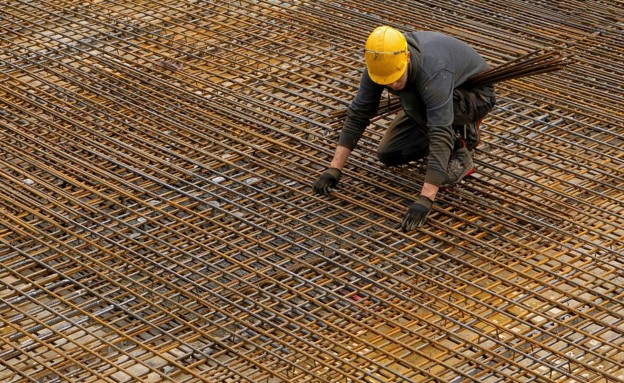
Key Takeaways
- Good preparation is the hidden foundation behind durable floors, structures, and civil works.
- Interior floor preparation creates a smooth, level base so coatings and coverings last.
- Ground and slope preparation protects exposed soil from erosion and water damage.
- Skipping preparation leads to cracking, failure, and costly rework later.
- The right method depends on the surface, the conditions, and how the area will be used.
Why Preparation Matters So Much
Every surface in a building has to carry something, whether it is foot traffic, machinery, or the force of flowing water. If the surface underneath is weak, uneven, or unstable, whatever sits on top will eventually suffer.
Preparation is how that risk is removed before it becomes a problem. A properly prepared surface spreads load evenly, resists wear, and gives finishes a sound base to bond to.
The cost of skipping it is almost always higher than the cost of doing it well. Cracks, lifting coatings, and eroded ground are far more expensive to fix than they would have been to prevent.
Two Sides of the Same Discipline
Surface preparation covers a broad range of work, but it tends to fall into two camps. One deals with the built surfaces inside and around structures, and the other deals with the exposed ground of civil and outdoor sites.
Both share the same underlying goal despite looking very different on-site. Each is about creating a stable, reliable surface that will perform for years under the demands placed on it.
Understanding both helps anyone planning a project ask the right questions. The principles carry across, even when the materials and methods change.
It also makes it easier to budget and sequence a build sensibly. Knowing that both the floors and the surrounding ground need attention prevents nasty surprises partway through a project.
Preparing Floors and Built Surfaces
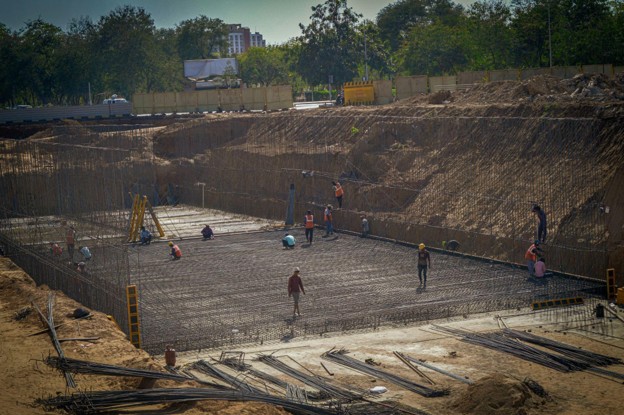
Inside buildings, floor preparation is the groundwork that makes everything above it succeed. Coatings, tiles, vinyl, and polished finishes all rely on a base that is clean, sound, and level.
This is where professional commercial floor preparation earns its place on a project. Grinding, levelling, and repairing a slab creates the smooth, consistent surface that finishes need to adhere properly and last.
Grinding removes old coatings, contaminants, and high spots from a concrete slab. It opens up the surface so new coatings can bond, and it evens out imperfections that would otherwise show through.
Levelling then corrects dips and falls across the floor. A level base is essential in retail, warehouse, and industrial settings, where an uneven floor causes problems for everything from forklifts to flooring.
Repairs round out the process by dealing with cracks and damaged areas. Addressing these early stops prevents small faults from spreading once the floor is back in heavy use.
Dust and safety are part of good floor preparation, too. Reputable contractors manage silica dust and keep the site clean, protecting both their team and everyone working nearby.
The sequence of these steps matters as much as the steps themselves. Grinding first, then levelling, then repairs ensures each stage builds on a properly prepared surface beneath it.
When Floors Carry Real Weight
Commercial and industrial floors face demands that a domestic floor never will. Heavy machinery, constant traffic, and stored loads all test the surface every single day.
That is why preparation in these settings is treated as a serious engineering task. A floor that is properly ground, levelled, and repaired can handle years of punishment without breaking down.
The payoff is a surface that protects the wider investment in the building. A sound floor keeps operations running and avoids the disruption of pulling up and redoing finished work.
Timing is another reason preparation deserves planning for these projects. Scheduling the work to minimise downtime keeps a busy site moving while the floor is brought up to standard.
Preparing and Protecting the Ground
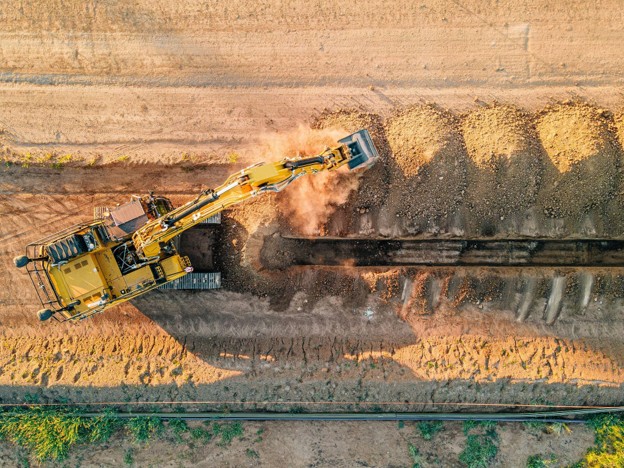
Outside the building, preparation shifts to the earth itself. On civil and infrastructure sites, the challenge is often protecting soil from water, weather, and the forces that cause erosion.
Exposed slopes, drainage channels, and embankments are all vulnerable to washing away. Once erosion takes hold, it undermines structures, blocks waterways, and creates safety and environmental problems.
Water is relentless, and even a small weakness in the exposed ground can grow quickly. A single heavy rain event can carve away soil that took many years to settle, which is why protection is always planned rather than added later.
This is where solutions like erosion control matting come into play on a site. Articulated concrete mats lay over vulnerable ground and dissipate the force of water, holding the substrate firmly in place.
These systems work by distributing pressure across many linked blocks. External forces are spread and absorbed, so the soil beneath stays stable even under heavy flows.
They suit a wide range of civil applications across the country. Drainage channels, spillways, embankments, and bridge abutments all benefit from a surface engineered to resist erosion.
Choosing the Right Approach
No single method fits every surface or site, so the right choice always depends on the conditions.
The surface material, the loads or flows involved, and the long-term use all shape what preparation is needed.
For built surfaces, that means matching the grinding, levelling, and repair work to the finish that will go on top. For exposed ground, it means selecting protection rated for the water velocities and soil conditions on site.
In both cases, experience and the right equipment make the difference. Specialists who understand the demands of a surface will prepare it to perform rather than simply to look finished.
Getting It Right From the Start
The smartest projects treat preparation as a planned stage, not an afterthought. Building it into the schedule and budget from the beginning avoids rushed work and compromised results.
It also pays to engage the right people early in the process. Good contractors can advise on the best method before work begins, saving time and money down the track.
Done properly, preparation quietly does its job for the life of the structure. The surface above performs, the ground below holds, and the whole project stands on a foundation built to last.
Conclusion
Surface and ground preparation is the unglamorous work that makes everything else possible. Whether it is a level commercial floor or a protected civil embankment, the principle is the same.
Prepare the surface properly, match the method to the conditions, and use experienced specialists. Get that right, and the finished result will perform reliably for many years to come.
Frequently Asked Questions
What is surface preparation in construction?
Surface preparation is the process of getting a surface ready to perform its job, whether that is a floor receiving a coating or a ground that needs protecting.
It typically involves cleaning, levelling, repairing, or stabilising a surface so that what follows lasts.
Why is floor preparation important before coating or covering?
Coatings and coverings only bond well to a clean, sound, and level base. Proper grinding, levelling, and repairs remove contaminants and imperfections, so the finish adheres correctly and does not lift or crack prematurely.
What is erosion control matting used for?
Erosion control matting protects exposed soil from being washed away by water and weather. It is used on slopes, drainage channels, embankments, spillways, and similar civil applications where the ground needs to stay stable.
How does concrete erosion matting work?
Articulated concrete matting is made of linked blocks that distribute pressure across the surface.
This dissipates the force of flowing water and holds the substrate in place, preventing soil displacement and runoff damage.
Can preparation really save money on a project?
Yes, because preventing failure is almost always cheaper than fixing it. Cracked floors, lifting coatings, and eroded ground are costly to repair, while proper preparation up front avoids most of those problems.