Buying a car is a big deal, often one of the biggest purchases you’ll make. So, it makes sense to think about its future resale value right from the start. While every car loses value over time, how fast that happens isn’t set in stone. With a little proactive care and smart planning, you can significantly increase the amount you get back when it’s time to sell or trade it in. Protecting your investment doesn’t have to be a huge effort, just consistent attention to a few key areas.
Regular Maintenance is Key
The most important thing you can do to keep your car’s value up is to follow its recommended maintenance schedule. This isn’t just about preventing breakdowns; it also shows any potential buyer that the car has been well looked after. Simple tasks like regular oil changes, tire rotations, and fluid checks keep the engine and other vital parts in great shape.
When a mechanic or a potential buyer checks out your car, a clean engine and well-maintained parts signal reliability. If you skip these basic tasks, it can lead to premature wear and tear, which costs a lot to fix and will definitely lower your asking price. Think of every oil change sticker and service receipt as proof that your car is a dependable purchase.
Keeping Up Appearances
First impressions really count, and your car’s appearance is the first thing a buyer will notice. A clean, shiny exterior and a spotless interior can make a huge difference in how much people think your car is worth. Get into the habit of washing and waxing your car regularly to protect the paint from things like sun, salt, and bird droppings. It’s also smart to fix small scratches and dings as they happen, stopping rust from forming.
The inside matters just as much. Vacuum the carpets regularly, wipe down surfaces, and clean up any stains on the upholstery right away. A car that looks and smells clean suggests the owner was careful about its overall upkeep. For a relatively small cost, a professional car detailing service right before you list it for sale can make a ten-year-old car look years younger.
Understanding Market Trends
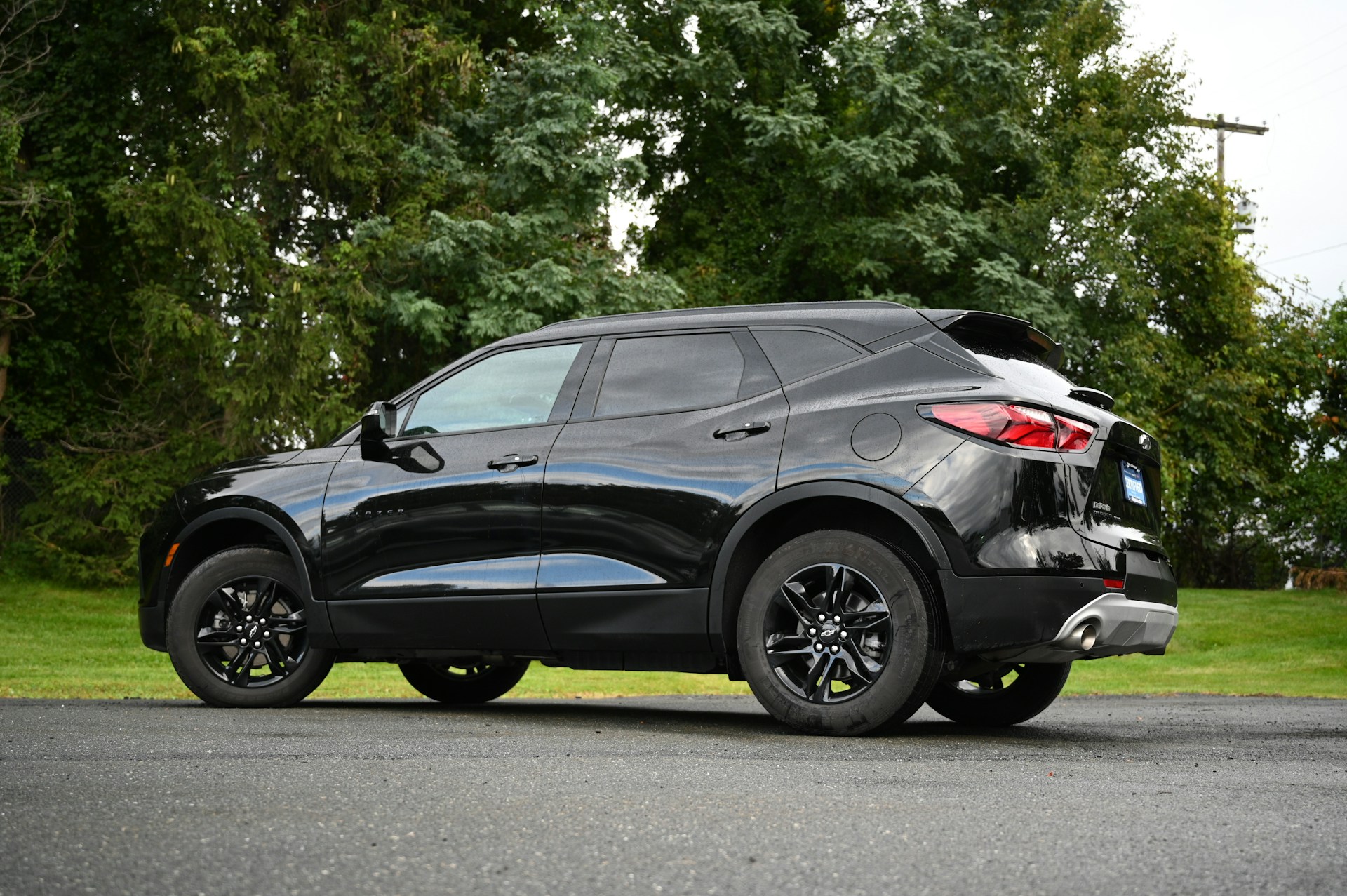
Beyond your own efforts, outside factors can affect your car’s resale value. Things like gas prices might shift demand towards more fuel-efficient cars. Similarly, a model known for reliability and safety can be more appealing on the used market. Understanding vehicle depreciation can also help you see how age, mileage, and market conditions may influence what your car is worth. Some models are consistently popular because of their features and dependability, which helps them hold their value. For example, a versatile SUV like the Chevy Equinox often has strong resale potential because it appeals to many different buyers, from families to daily commuters.
Timing your sale can also play a role. Convertibles usually sell for more in the spring and summer, while all-wheel-drive vehicles are more in demand during the fall and winter months. A little research into what the market is doing can help you list your car at the right time and for the right price.
Documenting Your Vehicle’s History
A thick folder of service records is a powerful selling point. Keeping every receipt for oil changes, new tires, brake repairs, and other maintenance shows you’ve taken care of the car. This documentation builds trust and gives a buyer confidence that they aren’t getting a bunch of hidden problems. It removes the guesswork about the car’s history and helps justify a higher asking price.
Along with your own records, providing a complete vehicle history report from a service like CarFax can answer questions about accidents, title issues, and previous owners. Being open and honest is key. Being upfront about the car’s past, backed up by thorough documentation, shows you have nothing to hide and that the vehicle is a solid investment.
When to Consider an Upgrade
Every car eventually reaches a point where the cost of upcoming repairs might be more than the benefit of keeping it. Cars lose value fastest in their first few years, but that curve flattens out over time. However, as a car gets older, the chance of major parts failing, like a transmission or engine, goes up.
It’s smart to look into common problems for your specific model and mileage. If you know a notoriously expensive repair often happens around the 100,000-mile mark, selling it before you hit that milestone might be a good financial move. The goal is to find the sweet spot: enjoying years without a car payment, but selling before its value drops due to age and potential mechanical issues.
Ultimately, taking care of your car is about more than just getting from point A to point B. It’s about respecting the investment you made and making sure it serves you well, both on the road and when it’s time to sell.