Buying diapers in bulk can be a smart way for retailers, distributors, healthcare suppliers, e-commerce sellers, and private-label brands to lower purchasing costs and maintain sufficient inventory. But the right sourcing channel depends on your order volume, target market, customization needs, and supply strategy.
Some businesses need ready-to-ship products in smaller quantities. Others need container-scale orders, customized packaging, or diapers manufactured under their own brand.
Below are the main channels for sourcing diapers in bulk and how to choose the right option for your business.
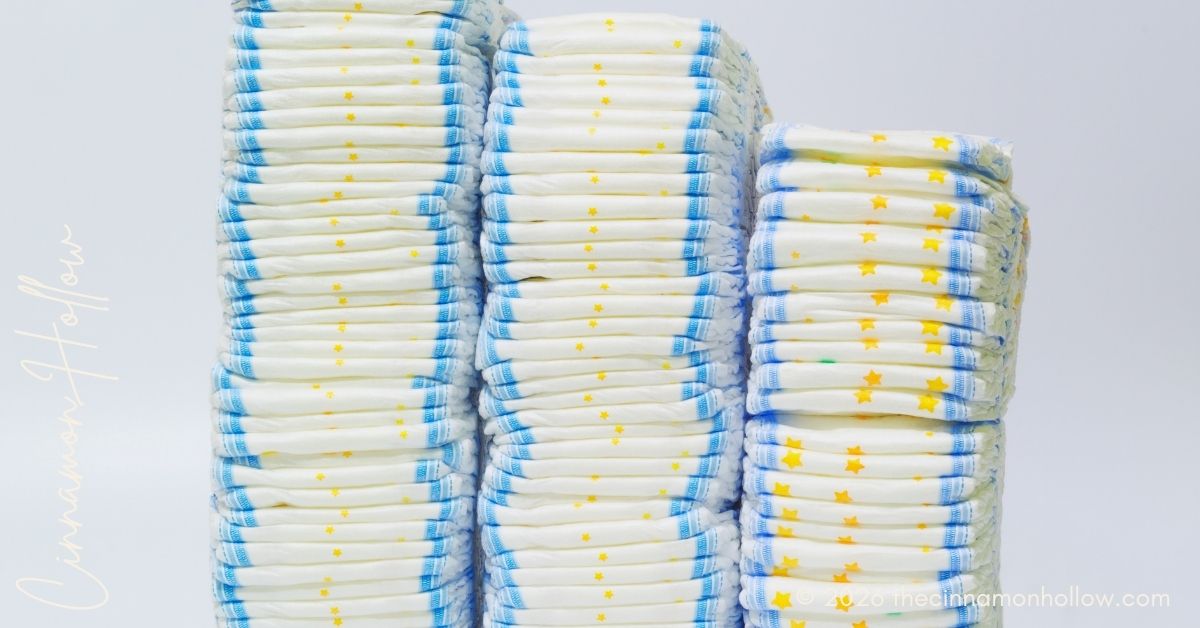
Why Businesses Buy Diapers in Bulk
Diapers are consumable products with a high repeat-purchase rate. Once customers find a product that meets their expectations for comfort, absorbency, and price, they tend to purchase it regularly.
Bulk purchasing can therefore offer several business advantages:
- Lower cost per unit
- Better inventory availability
- More predictable purchasing costs
- Greater flexibility for distributors
- Better margins for retailers
- Opportunities to develop private-label products
- More stable supply for long-term sales
However, these benefits depend heavily on choosing the right sourcing channel.
Option 1: Purchase From a Diaper Factory
Buying directly from a manufacturer is usually the preferred option for businesses with consistent or large-volume demand.
Instead of purchasing through several intermediaries, buyers communicate directly with the company responsible for production.
This can provide greater control over specifications such as diaper size, absorption capacity, materials, packaging, and branding.
Direct manufacturing partnerships are particularly suitable for:
- National and regional distributors
- Importers
- Supermarket suppliers
- Baby product brands
- Adult care product brands
- Healthcare distributors
- Large online retailers
The main consideration is MOQ. Manufacturers generally require larger minimum orders than local wholesalers.
Option 2: Import Diapers Directly From China
For companies with sufficient purchasing volume, importing directly from China is another common sourcing strategy.
China has a developed manufacturing supply chain for disposable hygiene products, including baby diapers, adult diapers, pull-up pants, underpads, and related products.
Working with a reliable diaper supplier in China can give wholesale buyers access to bulk manufacturing as well as OEM, ODM, private-label, packaging, and product customization services.
Direct sourcing can be especially valuable when you want to control your product positioning. Instead of being limited to existing products from a wholesaler, you can discuss specifications with the manufacturer and develop a product for your target price range and market.
For growing businesses, this creates a path from simple wholesale purchasing to building a differentiated product line.
Option 3: Buy From Local Diaper Wholesalers
Local wholesalers offer a different advantage: convenience.
They typically maintain inventory that can be purchased and delivered without waiting for international production and shipping.
This makes wholesale distributors useful when you:
- Need products quickly
- Cannot meet factory MOQs
- Want to test several brands
- Have limited warehouse capacity
- Need frequent small replenishment orders
The trade-off is usually price. Every additional layer between the factory and final buyer can add costs.
For small businesses, that premium may be worthwhile. As purchasing volume increases, direct manufacturing often becomes more attractive.
Option 4: Source Through B2B Marketplaces
Online B2B platforms make it easy to discover diaper factories and trading companies from different countries.
They are useful during the initial supplier research stage because buyers can compare product ranges, minimum order quantities, customization options, and basic company information.
However, online listings should be treated as a starting point rather than final proof of supplier capability.
Before making a large payment, verify who will actually manufacture your products.
Ask for factory information, product specifications, samples, testing documents, production photos, packaging details, and export experience.
Option 5: Develop Your Own Diaper Brand
For businesses that already understand their local market, private-label manufacturing can offer greater long-term potential.
Instead of selling another company’s brand, you create your own.
The manufacturer handles production while your business controls the brand, packaging, distribution strategy, and market positioning.
Depending on the factory, private-label diaper projects may allow customization of:
- Brand logo
- Packaging design
- Diaper dimensions
- Absorption performance
- Surface materials
- Waist and elastic structure
- Package quantities
- Carton specifications
This approach requires more preparation than purchasing existing products, but it can also help create a more defensible business.
How Much Should You Order?
Large orders can reduce unit costs, but ordering too much creates another problem: inventory pressure.
Your ideal order quantity should reflect expected monthly sales, shipping time, production lead time, warehouse capacity, and available cash flow.
For a new product, starting with a manageable trial order is often safer than immediately purchasing the largest possible quantity.
Once actual sales data becomes available, you can create a more accurate replenishment schedule.
Don’t Compare Suppliers on Price Alone
Imagine two factories quote $0.10 and $0.11 per diaper.
The first quotation looks cheaper.
But what if the cheaper product has inconsistent sizing, weak elastic components, poor absorption, or a higher complaint rate?
That one-cent saving can disappear quickly.
For this reason, professional buyers should compare total value rather than factory price alone.
Consider product quality, defect rates, customization support, lead time, communication, packaging efficiency, production capacity, and shipping arrangements together.
Test the Product Before You Commit
Samples give you something a quotation sheet cannot: physical evidence.
Check the diaper’s construction with your own hands. Examine its softness, thickness, elastic components, fastening system, and overall finish.
More importantly, test its performance.
You can compare:
- Absorption speed
- Total absorption
- Liquid distribution
- Rewet performance
- Leakage protection
- Fit and comfort
- Material strength
Testing several suppliers side by side makes differences much easier to identify.
Pay Attention to Packaging
Packaging becomes surprisingly important when you start ordering thousands of packs.
A small difference in package or carton dimensions can affect container utilization, freight costs, warehouse storage, and retail presentation.
Before production, confirm:
- Pieces per pack
- Packs per carton
- Carton dimensions
- Gross and net weight
- Barcode requirements
- Shipping marks
- Packaging artwork
- Labeling requirements
For private-label orders, approve the final artwork before mass printing.
Plan for Repeat Orders
Your first order tests the product. Your repeat orders test the supplier.
A dependable supplier should be able to reproduce the agreed product consistently. Buyers should not receive one level of quality in the sample and something different six months later.
As your diaper business grows, discuss production schedules and inventory forecasts with your supplier.
For example, if you expect demand to rise before a major sales season, placing orders earlier can reduce the risk of production or shipping delays.
Which Bulk Diaper Sourcing Channel Is Best?
There is no single sourcing method that fits every business.
Small retailers may benefit from local wholesalers because they can order fewer cartons and replenish inventory quickly.
Growing importers and distributors may find direct factory sourcing more economical as purchasing volume increases.
Companies developing their own brands should focus on manufacturers with OEM and private-label capabilities.
Large distributors should place greater emphasis on production capacity, quality consistency, logistics efficiency, and long-term supply stability.
The right channel depends on where your business is today—and where you want it to go.
Final Thoughts
Bulk diaper purchasing is ultimately a supply-chain decision.
The cheapest quotation does not automatically create the highest profit. Reliable quality, predictable production, efficient packaging, competitive costs, and consistent delivery all influence the real value of a supplier.
Start by defining your required diaper type, specifications, monthly volume, packaging, target price, and market requirements. Then compare sourcing channels and request samples from promising manufacturers.
A careful sourcing process takes more effort at the beginning, but it can lead to lower purchasing risks, stronger margins, and a much more reliable diaper business over the long term.