Your backyard can do a lot more than hold a grill and a couple of folding chairs. A well-planned deck gives you extra living space, boosts how you use your home, and can even raise resale appeal. Still, a deck project has more moving parts than many people expect. Materials, codes, drainage, layout, and budget all matter. If you want a deck that looks great and doesn’t turn into a maintenance headache, it helps to know what you’re getting into before the first board goes down.
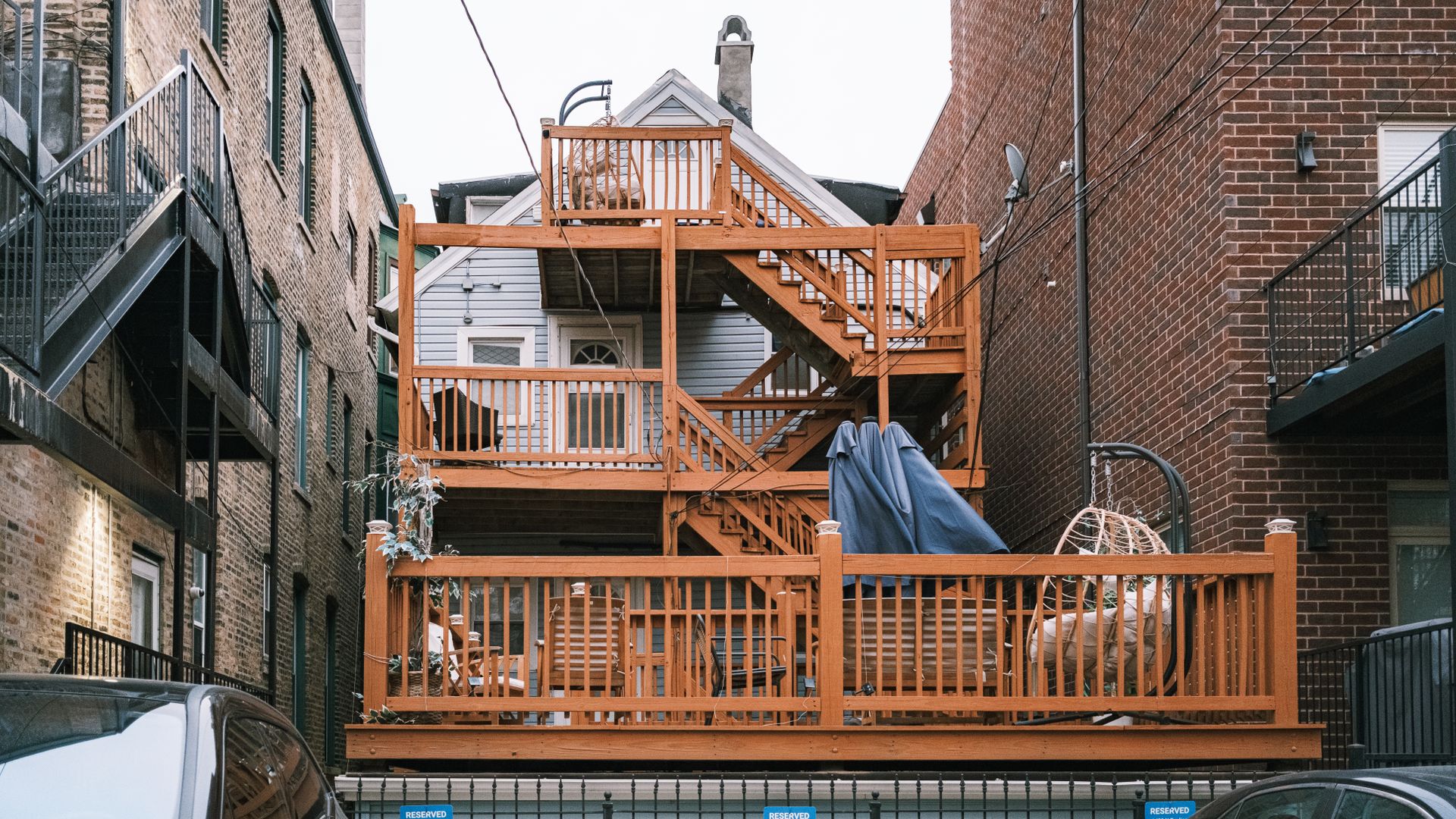
Start With How You Actually Plan to Use the Space
Before you think about railing styles or stain colors, figure out what you want the deck to do. That sounds obvious, yet plenty of homeowners skip it and end up with a beautiful platform that doesn’t quite fit real life.
Ask yourself a few practical questions:
– Will you use it for family dinners?
– Do you want room for a hot tub or outdoor kitchen?
– Will kids be running through the space?
– Do you need shade during the afternoon?
– Are you planning for quiet mornings or weekend parties?
A deck for two lounge chairs needs a very different layout than one built for entertaining ten people. Traffic flow matters too. If everyone has to squeeze past the grill to sit down, the design is already working against you.
You should also think about where the sun hits, how close neighbors are, and whether stairs need to connect to a patio, pool, or yard. The small details shape whether the space feels easy to use or oddly cramped.
Don’t Ignore Structural Design and Local Building Codes
A deck has to do more than look polished. It needs to safely support people, furniture, grills, planters, and sometimes heavy extras like pergolas or spas. That makes structural planning non-negotiable.
Important factors include:
– Footing depth
– Beam and joist sizing
– Ledger board attachment
– Stair geometry
– Railing height and spacing
– Load requirements
This is where professional planning becomes valuable. Experienced deck builders can help you sort through design choices while making sure the deck meets code and performs the way it should.
Permits are another big piece. Many areas require them for new decks, major rebuilds, or structural changes. Inspections may also be part of the process. Skipping permits may seem faster in the moment, but it can create expensive problems during resale, insurance claims, or future renovations.
No one wants their “dream deck” to become paperwork with stairs.
Choose Materials Based on Maintenance, Not Just Looks
Deck materials can be a little deceptive. What looks amazing in a photo may be a chore to maintain once rain, dirt, pollen, and summer heat get involved.
The main options usually include:
– Pressure-treated wood
– Cedar or redwood
– Composite decking
– PVC decking
Wood has a classic look and often costs less upfront, but it usually needs regular sealing, staining, or repairs. Composite and PVC products cost more at the start, though they often save you time and maintenance over the years.
That trade-off matters. If you love weekend DIY projects, wood may feel worth it. If you’d rather not spend your Saturdays sanding splinters and chasing loose fasteners, low-maintenance materials start looking very smart.
You should also look beyond the deck boards. Railings, stair treads, hidden fasteners, framing connectors, and skirting all affect performance. A deck is a system, not just a floor with ambition.
Plan for Drainage, Weather, and Long-Term Wear
Outdoor projects live and die by exposure. Rain, sun, freeze-thaw cycles, humidity, and leaf buildup all work on your deck every single season. If the design doesn’t account for that, the problems can show up fast.
Good drainage is one of the biggest overlooked issues. Water shouldn’t pool on the deck surface or collect around the footings. Proper spacing, slope, and site grading help prevent rot, mold, and slippery areas.
You should also consider:
– How much direct sun the deck gets
– Whether snow or ice lingers in winter
– If nearby trees drop debris year-round
– How airflow moves under the structure
– Which materials handle your climate best
A shaded deck may stay cooler in summer, though it might also hold moisture longer. A full-sun deck can be great for drying out after rain, but some materials get surprisingly hot under bare feet.
Weather doesn’t care about your Pinterest board. Building with your climate in mind usually pays off.
Build a Budget That Covers More Than the Surface Boards
When people price a deck, they often focus on square footage and board material. That’s only part of the financial picture. A realistic budget should include the full project, not just the visible top layer.
Common cost factors include:
– Demolition of an old deck
– Site preparation
– Permits and inspections
– Framing and footings
– Railings and stairs
– Lighting or electrical work
– Built-in seating or planters
– Skirting and trim details
Even access to your yard can affect labor costs. Tight spaces, uneven terrain, or tricky grading can add complexity quickly.
It helps to separate must-haves from nice-to-haves. Maybe wide stairs and durable decking are essential, while built-in benches can wait. That keeps you from blowing the budget on extras before the core structure is handled.
A smart budget also leaves room for surprises. Outdoor construction likes to reveal hidden issues with the timing of a prankster.
Think About Design Details That Improve Everyday Use
The best decks don’t just look good from the kitchen window. They make daily life easier. That usually comes down to details that feel small during planning but matter a lot once you start using the space.
Consider features like:
– Bench seating for flexible gathering space
– Deck lighting for safety and mood
– Privacy screens for close neighbors
– Multiple levels for sloped yards
– Built-in storage for cushions or tools
– Wide stairs that double as casual seating
You should also think about how the deck connects to the rest of your home. The transition from indoors to outdoors should feel natural, not like stepping onto an afterthought.
Color choices matter too. Lighter boards can stay cooler, while darker tones may create a richer look but show dust and heat up more quickly. Railing style changes the visual weight of the entire deck.
A strong design balances appearance, comfort, and function. If it only photographs well, it’s missing the point.
A Good Deck Should Work Hard Without Feeling Complicated
A backyard deck can add serious value to your home life when it’s planned with purpose. You get more room to relax, entertain, and spend time outside without leaving your property. The key is making decisions based on how you live, what your climate demands, and what level of maintenance you’re willing to handle.
If you take the time to think through materials, structure, drainage, budget, and layout, you’re far more likely to end up with a space that stays useful for years. A great deck doesn’t need gimmicks. It just needs to be built well, fit your routine, and hold up when real life starts using it.

Meg is an author at Cinnamon Hollow. She writes on a variety of topics sharing tips and ideas for daily life.