Tooth loss can affect more than the appearance of your smile. Missing teeth may make eating and speaking harder, while changes in your bite can place additional stress on surrounding teeth. The good news is that many causes of tooth loss are preventable. By understanding the risks and adopting consistent oral health habits, you can protect your natural teeth and maintain a healthier smile.
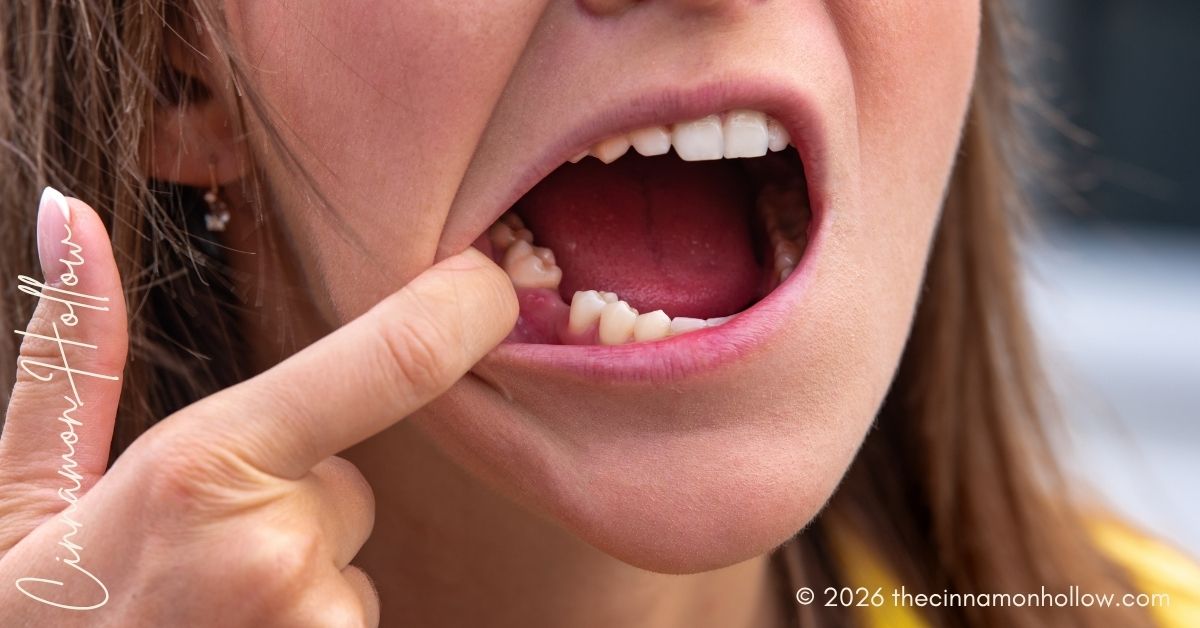
Understanding Why Tooth Loss Happens
Tooth loss can occur at any age, although the risk generally increases as people get older. It is not an unavoidable part of aging. In many cases, losing a tooth is the result of an underlying dental problem that developed gradually, such as untreated decay or gum disease.
Other causes may occur suddenly, such as accidents or injuries. Certain health conditions, lifestyle habits, and medications can also influence oral health. Knowing the most common causes can help you recognize potential problems early and take steps to reduce your risk.
Tooth Decay
Tooth decay is one of the most common dental problems and can eventually lead to tooth loss when it is left untreated. Plaque contains bacteria that feed on sugars and produce acids that can damage tooth enamel. Over time, this process can create cavities that grow deeper into the tooth.
A small cavity may initially cause little or no discomfort. If decay reaches the inner portions of the tooth, however, it can cause significant pain, infection, and structural damage. In some cases, the tooth may become too damaged to save.
Regular brushing with fluoride toothpaste, daily cleaning between the teeth, limiting frequent sugary snacks and drinks, and scheduling dental checkups can help prevent decay. Treating cavities early can also reduce the likelihood of extensive damage.
Gum Disease
Gum disease is another major cause of tooth loss, particularly when it progresses to an advanced stage. It often begins with plaque buildup along the gumline. If plaque is not removed effectively, it can harden into tartar and contribute to gum inflammation.
Early gum disease may cause symptoms such as red, swollen, or bleeding gums. As the condition advances, infection and inflammation can damage the tissues and bone that support the teeth. Teeth may eventually become loose and require removal.
Preventing gum disease starts with thorough daily oral hygiene. Cleaning between teeth is especially important because a toothbrush cannot effectively reach every surface. Professional dental cleanings can also remove hardened tartar and help identify gum problems before they become more serious.
Lifestyle Factors That Can Increase Your Risk
Daily habits can have a significant impact on the long-term health of your teeth and gums. Even with good brushing habits, certain behaviors may increase the likelihood of decay, gum problems, or dental injuries.
Smoking and Tobacco Use
Tobacco use can negatively affect the tissues inside the mouth and is associated with an increased risk of gum disease. Smoking may also interfere with the body’s ability to respond to infection and heal damaged oral tissues.
People who use tobacco may also be more likely to experience persistent plaque buildup, gum problems, and other oral health complications. Quitting tobacco can be an important step toward protecting your teeth and gums.
If you use tobacco, discuss cessation strategies with a qualified healthcare professional. Reducing or eliminating tobacco exposure can benefit your overall health as well as your oral health.
Poor Dietary Habits
What you eat and drink can influence your risk of tooth decay. Frequently consuming sugary or acidic foods and beverages can expose teeth to conditions that promote enamel erosion and cavities.
You do not necessarily need to eliminate every sweet food from your diet. Instead, focus on moderation and avoid constant snacking throughout the day. Drinking water regularly can help wash away food particles and support a healthier oral environment.
A balanced diet that includes nutrient-rich foods can also support the tissues and bones that help keep your teeth stable. If you have concerns about your diet and dental health, your dental professional can offer individualized guidance.
Dental Injuries and Physical Damage
Not all tooth loss develops slowly. A tooth can be damaged or knocked out because of a fall, sports injury, car accident, or other physical trauma. Some injuries affect the visible portion of a tooth, while others damage the root or surrounding bone.
Wearing a properly fitted mouthguard during contact sports or activities with a high risk of facial injury can help protect your teeth. You should also avoid using your teeth as tools to open packages, cut objects, or hold items.
If a tooth is injured, seek dental care as soon as possible, even if the damage does not initially appear severe. Prompt evaluation may improve the chances of preserving the tooth or preventing additional complications.
Health Conditions and Other Risk Factors
Some medical conditions and medications can affect oral health. For example, conditions that influence blood sugar levels may increase the risk of gum problems when they are not well controlled. Dry mouth can also contribute to tooth decay because saliva helps neutralize acids and clear food particles from the mouth.
Certain medications can reduce saliva production, while hormonal changes may influence gum sensitivity. Age-related changes, limited mobility, or difficulty maintaining daily oral hygiene can create additional challenges for some individuals.
Tell your dentist about relevant medical conditions and medications during regular visits. This information can help your dental care team identify potential risks and recommend preventive strategies that fit your needs.
How to Prevent Tooth Loss
Although not every instance of tooth loss can be prevented, consistent preventive care can substantially reduce many of the most common risks. Prevention is generally easier, less invasive, and less costly than treating advanced dental problems.
Maintain a Consistent Oral Hygiene Routine
Brush your teeth twice a day using fluoride toothpaste and clean between your teeth daily. Floss, interdental brushes, or other appropriate cleaning aids can help remove plaque from areas a toothbrush cannot reach.
Do not focus only on the front surfaces of your teeth. Carefully clean along the gumline and the chewing surfaces where plaque and food particles can accumulate. Replacing a worn toothbrush or brush head regularly can also help maintain effective cleaning.
Visit Your Dentist Regularly
Routine dental appointments can help detect cavities, gum disease, worn restorations, and other problems before they become advanced. Your dentist can also perform professional cleanings and recommend preventive treatments based on your individual risk factors.
Do not wait for pain before scheduling an appointment. Dental problems can develop without obvious symptoms, and early treatment may help preserve a natural tooth.
Protect Your Teeth From Injury
If you participate in sports or activities where facial injuries are possible, consider using a professionally fitted mouthguard. Simple precautions can reduce the likelihood of chipped, fractured, or knocked-out teeth.
You should also avoid chewing on ice, hard objects, or non-food items. These habits can place excessive pressure on teeth and increase the risk of cracks or fractures.
What to Do If You Have Already Lost a Tooth
If tooth loss has already occurred, replacing the missing tooth may help restore oral function and support your overall dental health. Leaving a gap untreated can allow neighboring teeth to shift, potentially affecting your bite and making oral hygiene more difficult.
The appropriate replacement option depends on factors such as the number of missing teeth, the condition of the surrounding teeth and gums, bone support, overall health, and personal preferences. A dental professional can evaluate your mouth and explain which options may be appropriate.
For people who have lost most or all of their teeth, full-arch dental implants in Odessa may be one treatment option to discuss with a qualified dental professional. The suitability of implant treatment varies from person to person, so a comprehensive evaluation is necessary before making a decision.
Conclusion
Preventing tooth loss starts with understanding its most common causes, from tooth decay and gum disease to injuries, tobacco use, and other risk factors. Consistent brushing, daily cleaning between teeth, regular dental visits, a balanced diet, and protective habits can help preserve your natural smile. When problems appear, seeking treatment early gives you the best opportunity to protect your oral health and maintain comfortable function.
The owners and authors of Cinnamon Hollow are not doctors and this is in no way intended to be used as medical advice. We cannot be held responsible for your results. As with any product, service or supplement, use at your own risk. Always do your own research and consult with your personal physician before using.

Meg is an author at Cinnamon Hollow. She writes on a variety of topics sharing tips and ideas for daily life.