A small trace of blood after brushing can appear harmless at first. However, repeated gum bleeding can signal inflammation around tissues that protect and support teeth. The symptom deserves closer attention when tenderness, swelling, or redness appears at the same time.
Bleeding can develop for several reasons, so the symptom does not automatically confirm periodontal disease. A dental examination helps determine whether plaque, tartar, inflammation, or another factor causes the problem. Professionals such as periodontal specialists can assess gum pockets and supporting structures when signs suggest disease below the gumline.
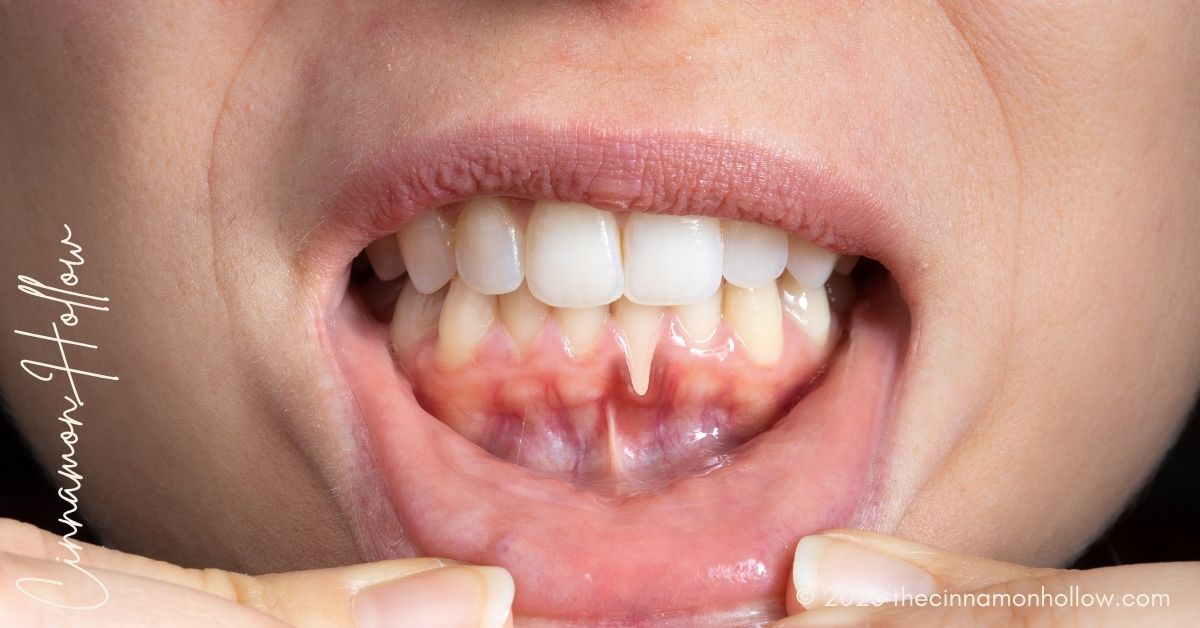
Plaque Can Trigger Early Gum Inflammation
Plaque contains bacteria that constantly collect along teeth and the surrounding gumline. When plaque remains in place, bacterial activity can irritate nearby soft tissue. The gums may become red, swollen, tender, and more likely to bleed during routine cleaning.
This early stage of periodontal disease is commonly known as gingivitis. Regular bleeding therefore deserves attention rather than being treated as a harmless brushing issue. Timely dental care at this stage can help control inflammation before deeper periodontal tissues become affected.
Persistent Bleeding May Signal Progression
Gingivitis can progress when plaque remains and eventually hardens into tartar around teeth. Tartar cannot be removed through regular brushing and requires professional dental cleaning. Continued bacterial activity may cause gum tissue to pull away from tooth surfaces.
Spaces called periodontal pockets can then develop and collect additional harmful bacteria. This process can contribute to tissue destruction and bone loss around affected teeth. Persistent bleeding alongside recession or tenderness may therefore indicate a problem beyond temporary irritation.
Other Signs Can Appear With Bleeding
These additional symptoms can provide useful clues about the possible severity of periodontal disease.
- Persistent bad breath may accompany bacterial buildup around affected gum tissue.
- Receding gums can expose root surfaces and make teeth appear longer.
- Tooth sensitivity may develop as previously protected areas become exposed.
- Pain during chewing can occur after supporting structures become affected.
- Loose teeth can indicate substantial damage around periodontal tissues and bone.
Pocket Depth Reveals Hidden Gum Damage
Visual symptoms alone cannot show how far periodontal disease has progressed beneath gum tissue. Dental professionals use a periodontal probe to measure spaces between gums and teeth. Healthy periodontal pockets generally measure between one and three millimeters in depth.
Deeper measurements can indicate periodontal disease and may require further clinical assessment. Dental X-rays can also reveal bone loss that remains invisible during a routine visual examination. These findings help clinicians determine whether bleeding reflects surface inflammation or more serious periodontal damage.
Certain Factors Can Raise Disease Risk
Several health and lifestyle factors can increase the likelihood of serious periodontal problems.
- Smoking: Tobacco use can interfere with normal tissue healing and increase the risk of periodontal disease.
- Diabetes: Poor blood sugar control can increase susceptibility to gum inflammation and periodontal complications.
- Poor oral hygiene: Inadequate cleaning allows bacterial plaque and tartar to accumulate around the gumline.
- Genetics: Family history may make certain individuals more susceptible to periodontal problems than others.
- Hormonal changes: Changes in hormone levels can make gum tissue more sensitive to plaque-related irritation.
Early Assessment Can Protect Gum Health
Regular bleeding provides a useful reason to examine gum health before more serious changes develop. The CDC reports that about 42 percent of American adults aged thirty or older have periodontitis. Early gingivitis remains treatable and reversible with appropriate oral hygiene and professional dental care.
Periodontitis involves deeper supporting tissues and requires professional management to slow further progression. Timely evaluation can distinguish minor irritation from inflammation that requires targeted periodontal treatment. Professional monitoring can also identify changes in pocket depth, tissue attachment, and bone support.
Recurring gum bleeding deserves attention because it can provide an early warning of periodontal inflammation. A professional examination can reveal whether plaque buildup, deeper pockets, or tissue damage contributes to the symptom. Experts like periodontal specialists can evaluate advanced concerns and recommend care according to disease severity. Prompt assessment gives affected gum tissue a better chance of receiving appropriate care before further damage develops.
The owners and authors of Cinnamon Hollow are not doctors and this is in no way intended to be used as medical advice. We cannot be held responsible for your results. As with any product, service or supplement, use at your own risk. Always do your own research and consult with your personal physician before using.

Meg is an author at Cinnamon Hollow. She writes on a variety of topics sharing tips and ideas for daily life.