By a metal recycling industry contributor.
A demolition site, a factory retooling, or even a large-scale HVAC replacement all generate a valuable byproduct: scrap metal. Yet for many project managers, this material is often treated as an afterthought or a disposal problem. This overlooks a significant revenue stream and introduces logistical headaches. The sheer scale of this secondary market is enormous. In 2020 alone, the United States recycled metals with a total value of $26.2 billion, according to the U.S. Geological Survey.
Tapping into that value requires a plan. Without one, you risk losing money to contamination, inefficient sorting, or poor transportation logistics. Effectively managing this process often requires dedicated metal recycling services that handle everything from providing the right size roll-off containers to ensuring transparent weighing and payment. The difference between a well-managed scrap plan and a chaotic one can be thousands of dollars on a single project.
Quick answer: A profitable scrap metal project depends on three things: proper sorting of materials, understanding current market values for different metals, and efficient logistics. The key is to separate high-value non-ferrous metals from lower-value ferrous ones and to partner with a recycler who can provide the right equipment and a clear process.
What’s inside
· How Are Different Metals Identified and Valued?
· What Is the Process for a Large-Scale Project?
· How Can You Maximize Your Payout?
· Frequently Asked Questions About Scrap Metal
· Turning Scrap from a Cost into a Revenue Stream
How Are Different Metals Identified and Valued?
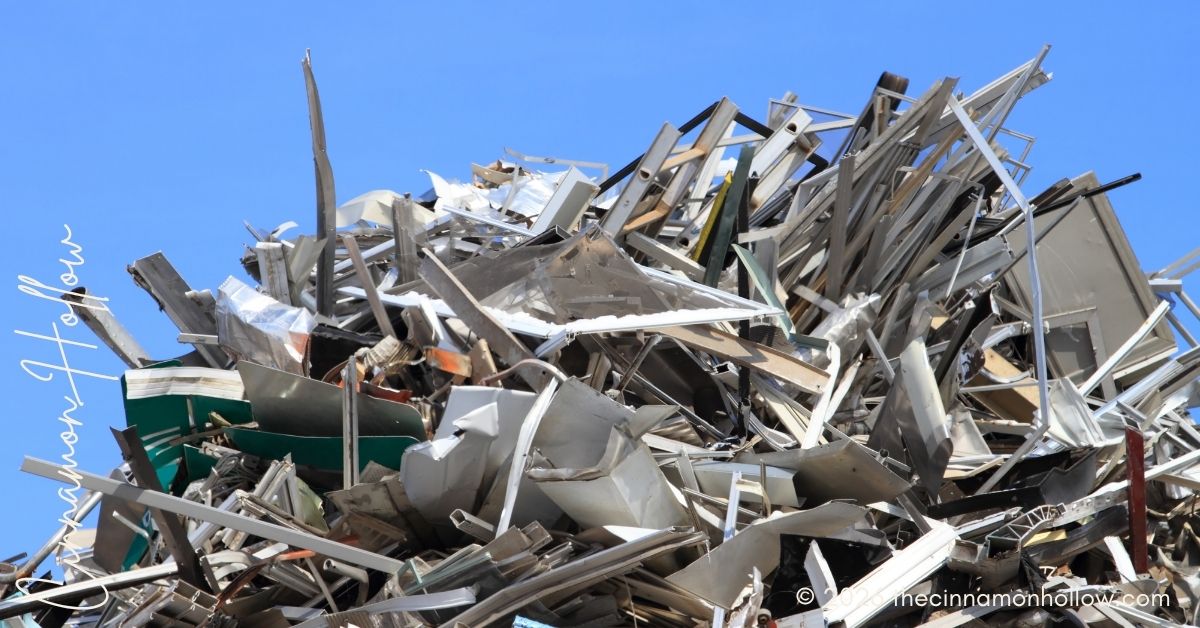
The value of scrap metal is determined by its classification as either ferrous (containing iron) or non-ferrous, with non-ferrous metals like copper and aluminum commanding much higher prices. The most basic field test is simple: use a magnet. If the magnet sticks, the metal is ferrous, like steel or iron. If it does not stick, it is non-ferrous, such as aluminum, copper, brass, or stainless steel. This simple separation is the first and most critical step in maximizing your return.
Ferrous metals are the most common type of scrap, making up the bulk of material from demolition and construction. In 2018, the generation of ferrous metals in municipal solid waste alone was 19.2 million tons, according to the U.S. Environmental Protection Agency. Because of this high volume and the relative ease of production, ferrous metals have a much lower market value per pound. However, on a large project, the sheer weight of steel beams, rebar, and sheet metal can still add up to a significant payout.
Non-ferrous metals are where the real value lies. Copper from wiring and plumbing, aluminum from siding and HVAC components, and brass from fittings are all worth substantially more. This material is not just waste; it is a vital part of the industrial supply chain. In 2020, recycled metals were equivalent to 52% of the apparent supply of those metals in the United States, per the U.S. Geological Survey. This means that half of the metal used in manufacturing new products came from recycled sources, making clean, sorted scrap a high-demand commodity.
❝ The biggest financial mistake on a job site is contamination. A single steel bolt or a few iron brackets mixed into a bin of clean aluminum can be enough for a recycling yard to downgrade the entire load to a lower-paying category. Keeping separate, clearly labeled containers for different metal types from the start is essential.
Ultimately, the goal is to create clean, uncontaminated streams of material. A recycler will assess each load based on its purity. A bin of pure copper pipe will fetch the highest price, while a mixed-metal container will be priced based on the lowest-value material in it, after accounting for the labor needed to separate it.
What Is the Process for a Large-Scale Project?
The process for a large-scale project moves from on-site logistics and sorting to transparent off-site weighing and payment. A successful outcome depends on clear communication and a recycler who can keep pace with your project’s schedule, providing the right equipment exactly when you need it. The entire sequence can be broken down into four distinct phases.
1. Container Logistics and Scheduling. The first step is getting the right containers to your site. This typically involves roll-off dumpsters, which come in various sizes like 20, 30, or 40 cubic yards. The choice depends on the volume and density of the material you expect to generate. For an active demolition or construction site, the key is turnaround time. Ask a potential recycling partner about their process for container swaps. Can they guarantee a 24-hour exchange to prevent a full dumpster from halting your work?
2. On-Site Sorting and Loading. As material is generated, it must be sorted. The most efficient operations have separate, clearly marked containers for different metal types. For example, one bin might be designated for structural steel (ferrous), while smaller, more secure containers are used for high-value copper wiring and pipe (non-ferrous). This discipline prevents cross-contamination, which can significantly devalue an entire load. It is far more cost-effective to sort material as it comes out of a building than to pay a recycler to do it later.
3. Weighing and Verification. This is the most critical step for ensuring a fair payout. When the full container is picked up, it is taken to the recycling facility and weighed on a certified truck scale. The weight recorded is the “gross weight.” After the container is emptied, the truck and empty container are weighed again to get the “tare weight.” Your payout is based on the “net weight,” which is the gross weight minus the tare weight.
❝ Always request a copy of the certified scale ticket for every load. This document should clearly list the gross, tare, and net weights, along with a timestamp and a truck or container identifier. Without this ticket, you have no way to verify the weight you are being paid for. Transparency here is non-negotiable.
4. Grading, Documentation, and Payment. Once the material is offloaded at the yard, it is inspected and graded for quality and purity. The price is then locked in based on the day’s commodity market rates for that specific grade of metal. Finally, payment is issued. Be aware that state and local laws often govern how payments are made. Many jurisdictions require payment by check and mandate that the seller provide a valid, state-issued ID to create a clear paper trail for the transaction.
How Can You Maximize Your Payout?
Your payout is directly tied to how much labor the recycling yard must perform to process your material. The closer your scrap is to being ready for the furnace or shredder, the more it is worth. Maximizing your return is about upgrading your material by cleaning it, sorting it, and preparing it to the yard’s specifications. This simple principle applies to every type of metal you handle.
The most common example is the difference between “prepared” and “unprepared” steel. Unprepared steel consists of long beams or large plates that are too big for the yard’s processing equipment. The recycler has to use a massive hydraulic shear to cut it down to size, a process that costs them fuel, time, and labor. Prepared steel, on the other hand, is already cut to a manageable dimension, typically three to five feet or smaller. It can be fed directly into the machinery. By delivering prepared steel, you save the yard a step, and they pass that value back to you as a higher price per ton.
This same logic applies to removing attachments. A steel appliance with plastic housing, rubber feet, and insulated wiring is considered contaminated. Its value is lower because an employee has to manually strip those non-metal components. If you do that work on-site, you deliver clean steel and get paid accordingly. The same goes for an aluminum engine block with steel bolts still in it. Removing those bolts upgrades the material from “dirty” aluminum to “clean” aluminum, which can fetch a significantly higher price.
❝ A common question is whether it is worth the labor to strip insulation from copper wire. The answer depends on your labor cost. Calculate the weight of a small bundle of unstripped wire and get a price. Then, strip that same bundle, weigh the clean copper, and get the upgraded price. The difference is your gross profit. If that profit is higher than what you paid in labor to strip it, the process is worthwhile. For high-volume projects, this calculation is essential.
Finally, communicate with your recycling partner before you even start sorting. Ask them for their “spec sheet” or grading requirements. They can tell you the exact dimensions for prepared steel, what attachments they consider contaminants, and how they classify different grades of copper or aluminum. A five-minute phone call can prevent you from doing unnecessary work or, worse, failing to do a simple task that could have doubled the value of a particular load.
Frequently Asked Questions About Scrap Metal
How are scrap metal prices determined? Scrap prices are not set arbitrarily by the local yard. They are directly tied to global commodity markets, such as the London Metal Exchange (LME) and COMEX. Prices for base metals like copper, aluminum, and steel can change daily or even hourly based on global supply, manufacturing demand, and economic indicators. Your recycler’s price reflects what they can sell the processed, bulk material for on these international markets.
What is the highest-paying scrap metal? Generally, the highest-paying common scrap metal is clean, unalloyed copper. “Bare bright copper,” which is stripped, uncoated, and unalloyed wire larger than 16 gauge, typically commands the top price. Other high-value non-ferrous metals include other grades of copper (like #1 and #2 tubing), brass solids and turnings, and clean aluminum alloys.
Will a recycler pick up a single old appliance for free? In most cases, no. The cost of fuel, insurance, and labor for a truck and driver to make a dedicated trip for a single item often exceeds the scrap value of the metal inside. While the recycling rate for major appliances was 59.8% in 2018 according to the U.S. Environmental Protection Agency, this volume comes from consolidated sources, not individual residential pickups. For single items, you typically need to bring them to the recycling facility yourself.
Do I need a special license to sell scrap metal? For individuals selling scrap from their own property or a personal project, a valid state-issued ID is usually the only requirement. Laws in most states mandate a clear paper trail for all transactions to prevent the trade of stolen materials. However, if you are operating a business that involves hauling or collecting scrap metal commercially, you may need to register with your state or city and meet additional requirements.
What common items are not accepted at a metal recycling yard? Yards cannot accept items that pose a safety risk or are not primarily metallic. This includes sealed containers under pressure like propane tanks or fire extinguishers, which can explode during shredding or shearing. They also reject non-metallic contaminants such as liquids, glass, plastic, wood, and general trash, as these materials have no scrap value and can damage processing equipment.
Turning Scrap from a Cost into a Revenue Stream
Ultimately, managing scrap metal is not about waste disposal. It is about commodity management. The difference between a project that pays to haul away debris and one that generates a consistent revenue stream comes down to on-site discipline. By understanding the distinction between ferrous and non-ferrous metals, and more importantly, between clean and contaminated loads, you shift your perspective. The material leaving your site is no longer just “scrap.” It is a product with a specific grade and market value that you control.
The most important decision you will make is a strategic one: how much of your own labor will you invest to upgrade your material? Every step, from separating aluminum siding from steel screws to cutting beams down to prepared size, is a calculated trade-off. You are weighing your team’s time against the higher payout from the recycling yard. The most profitable operations make this choice deliberately, not by default, by aligning their on-site workflow with the recycler’s processing needs.
Success begins before the first piece of metal is even generated. It starts with a clear plan and direct communication with your recycling partner to understand their exact specifications. This proactive approach transforms recycling from a logistical afterthought into a planned, predictable, and profitable part of your project’s financial outcome.
About the author
The team at Olympus Recycling operates scrap metal processing facilities in Atlanta and Gainesville, Georgia. They manage ferrous and non-ferrous metals for a range of clients, from large industrial accounts and demolition contractors to small businesses and individuals. The company provides on-site roll-off container services for construction and demolition projects, focusing on a transparent system for material weighing, grading, and payment. Their work helps project managers integrate scrap recovery into their operational workflow as a planned revenue stream.

The team at Olympus Recycling operates scrap metal processing facilities in Atlanta and Gainesville, Georgia. They manage ferrous and non-ferrous metals for a range of clients, from large industrial accounts and demolition contractors to small businesses and individuals. The company provides on-site roll-off container services for construction and demolition projects, focusing on a transparent system for material weighing, grading, and payment. Their work helps project managers integrate scrap recovery into their operational workflow as a planned revenue stream.