If you run a business that depends on temperature-sensitive products, storage can turn into a daily headache fast. One spike in heat, one delayed delivery, or one crowded cold room can throw off your schedule and your budget. A refrigerated container gives you a flexible option that sits right where you need it. For food, flowers, pharmaceuticals, or event logistics, that kind of control can save you from expensive mistakes.
When Extra Cold Storage Stops Being Optional
Some business problems don’t look serious until inventory starts spoiling. A crowded walk-in cooler may seem manageable for a week or two, then one busy season lands and everything gets tight. Staff starts shifting boxes around like a game of chilled Tetris, and efficiency drops.
You might need extra cold storage if you’re dealing with:
– Seasonal spikes in demand
– Overflow inventory during promotions
– Emergency backup during cooler repairs
– Temporary storage for renovations or relocations
– On-site cold storage for festivals, weddings, and large events
– Expanded product lines that need different holding temperatures
In those situations, a 40ft Refrigerated Container can work as a practical business tool, especially when you need high-capacity cold storage without the timeline or cost of permanent construction.
What a Refrigerated Container Actually Does for Your Business
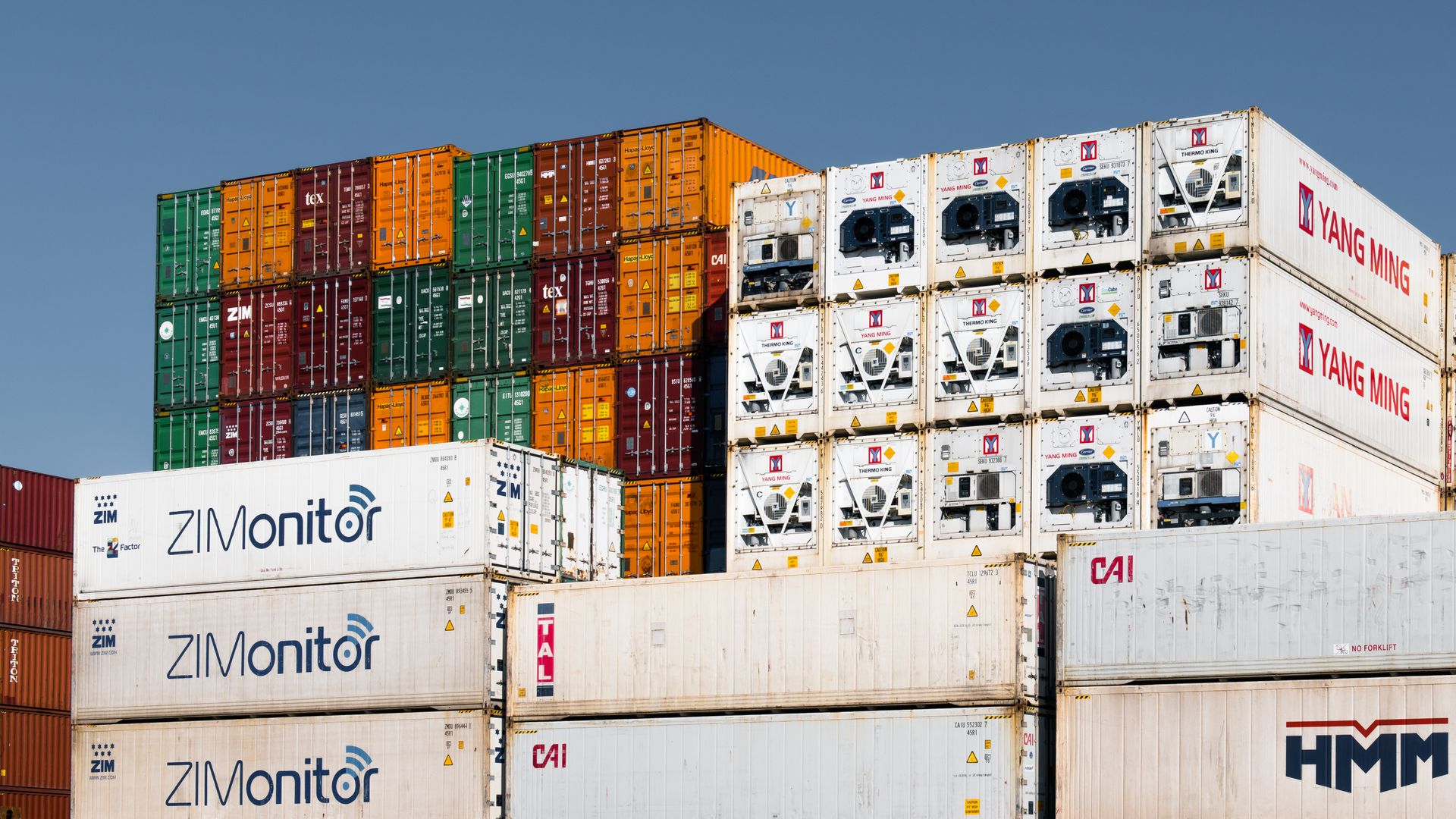
A refrigerated container, often called a reefer, is built to keep products within a controlled temperature range during storage or transport. You’re not just getting a cold metal box. You’re getting a unit designed to manage temperature consistency, airflow, insulation, and cargo protection.
That matters more than many businesses expect. If you store produce, dairy, frozen foods, beverages, lab samples, or temperature-sensitive materials, a basic cooler room may not always be enough. Demand changes. Deliveries stack up. Equipment fails at the worst possible time because machinery has a talent for drama.
A container-based cold storage setup gives you mobility and extra capacity without requiring a full building expansion. You can place it on-site, near a loading dock, behind a restaurant, at a warehouse, or at an event venue where cold access needs to be immediate.
Why Size and Layout Matter More Than You Think
Cold storage decisions often get reduced to one question: how much space do you need? Fair question, but not the whole story. The right setup also depends on how your team loads, unloads, rotates, and accesses products during the day.
A larger container can help you avoid overstacking, poor airflow, and inventory bottlenecks. In refrigerated environments, airflow is a big deal. If pallets are jammed in without enough room for circulation, temperatures can vary across the load. That creates risk, especially for products with strict storage requirements.
You’ll want to think about:
– Pallet count and product dimensions
– Frequency of access
– First-in, first-out inventory needs
– Staff movement inside the unit
– Door placement and dock access
– Power availability at your site
A smart layout improves efficiency and reduces product handling errors, which usually cost more than people realize.
Industries That Benefit From On-Site Refrigerated Containers
You don’t need to run a giant warehouse operation to benefit from refrigerated container storage. Plenty of smaller businesses use them because they solve very specific problems with less disruption than a full facility upgrade.
Food service businesses use refrigerated containers during peak catering periods or when kitchen storage gets tight. Grocery operations lean on them during renovations or holiday surges. Florists use controlled temperatures to preserve quality during major event weeks. Pharmaceutical and medical organizations may need temporary compliant storage during maintenance, expansion, or emergency response situations.
They’re also useful in agriculture. If you grow, harvest, or distribute perishable goods, timing is everything. A delay in transport or processing can hurt product quality quickly. On-site cold storage gives you breathing room, which is rare and valuable in any supply chain.
What to Check Before You Commit to One
A refrigerated container can be a strong solution, but only if it fits your operation in real terms. It helps to look past the sales pitch and focus on daily use. A nice spec sheet won’t help much if the unit is awkward to load or expensive to power.
Before choosing a unit, check:
– Temperature range and stability
– Internal dimensions and usable floor space
– Electrical requirements
– Insulation quality
– Door seal condition
– Alarm or monitoring features
– Ease of cleaning and maintenance
– Delivery and site placement logistics
You should also ask how the unit performs in your local climate. Heat, humidity, and exposure can affect efficiency. If your team will access the container constantly, usage patterns matter too. Frequent door openings can impact temperature retention and energy use.
Renting, Buying, and Budgeting Without Guesswork
The cost question usually comes down to duration, urgency, and how central cold storage is to your business. If you need temporary overflow for a few weeks or months, renting may make more sense. If cold storage is becoming part of your regular operating model, buying could offer better long-term value.
Budgeting should include more than the unit itself. You’ll need to factor in transportation, setup, power consumption, site prep, maintenance, and any monitoring systems you want in place. If downtime would hurt your revenue, reliability should sit high on your priority list.
It also helps to calculate the cost of not having enough cold storage. Spoiled inventory, delayed service, lost contracts, and customer complaints add up quickly. A container may look like an extra expense at first glance, but in many cases it works more like insurance with shelves.
How to Use It Well Once It’s On-Site
Getting the unit delivered is only step one. Day-to-day habits determine whether it actually improves your operation. If your staff treats it like a catch-all box for anything cold-ish, things can get messy fast.
Use clear loading procedures. Keep products organized by type, date, and handling needs. Avoid blocking airflow. Monitor temperatures consistently, not just when someone remembers. Train staff on door discipline, because standing in the doorway while deciding where a pallet goes is not a refrigeration strategy.
It’s also worth setting up a simple inspection routine. Check seals, drainage, cleanliness, and performance logs. Small issues are easier and cheaper to fix early. A refrigerated container works best when it becomes part of your system, not a last-minute patch for operational chaos.
A Flexible Storage Option That Can Grow With You
Business growth rarely happens in a neat, predictable line. You get sudden demand, new clients, supplier delays, staffing changes, and equipment problems, sometimes all in the same month. Flexible cold storage gives you room to respond without overcommitting to permanent construction too soon.
A refrigerated container can support expansion, protect inventory, and make daily operations smoother when used with a clear plan. For many businesses, it fills the gap between basic storage and a major capital project. That middle ground often gets overlooked, even though it’s where smart operational decisions live.
If temperature control affects your margins, your reputation, or your ability to serve customers on time, adding cold storage capacity isn’t a small detail. It’s part of running a business that stays ready when conditions heat up.