

Buying expensive furniture can create an odd problem. The more carefully you shop, the easier it becomes to fall in love with the object rather than the room. A beautifully made sofa can look perfect under showroom lighting, then feel too large once the coffee table arrives. A dramatic dining chair can be wonderful to look at and surprisingly tiring to sit in.
That is why, when considering high-end furniture in Singapore, it helps to reverse the usual process. Start with the room, the people using it and the habits that happen there. Then ask which pieces deserve to take up the space. The expensive part should not be the reason a piece belongs.
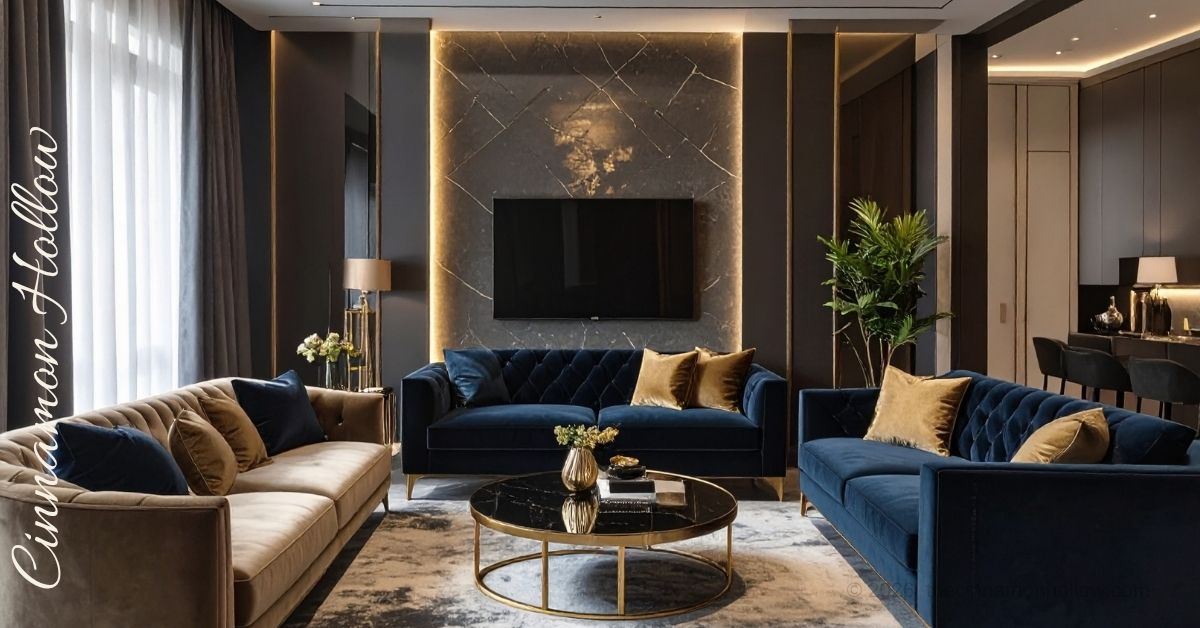
Start With The Room
The first useful measurement is not your budget. It is the room itself.
Measure the length and width, but also note the door swings, windows, walkways and the places where people naturally stop. A three-metre sofa may fit against a wall and still make the room feel cramped once someone needs to walk behind it. A dining table can look beautifully proportioned in a catalogue and become awkward when chairs are pulled out.
A good rule is simple: judge every piece in relation to the space around it, not in isolation.
Choose For Daily Use
Furniture looks different when you are standing in a showroom than when you are tired on a Tuesday night.
Sit on the sofa properly. Lean back. Put your feet where they naturally fall. Test a dining chair for long enough to notice whether it supports you comfortably. If a side table will hold a laptop, coffee and a book every evening, imagine those objects actually sitting on it.
This is where people often spend money on furniture that they admire but rarely use. The solution is not to choose boring pieces. It is to make comfort and function part of the definition of luxury.
Let One Piece Lead
A room can become expensive-looking in the least flattering sense: everything is competing for attention.
A sculptural sofa, a dramatic table, a strong patterned chair and a striking light can each be excellent choices. Put them together without hierarchy and the room starts to feel like four different rooms arguing.
Choose one major piece to lead. Let the rest support it through quieter shapes, related materials or a repeated colour.
The trade-off is worth understanding: adding more statement pieces does not necessarily create more impact. Sometimes it simply reduces the impact of each one.
Look Past The Finish
The material you choose will change as you live with it.
Timber can develop a deeper appearance. Leather can soften. Stone may reveal variations that looked more pronounced on a small sample. Textiles can make a room feel warmer or cooler without changing a single piece of furniture.
This is why the sample-board test can be misleading. A finish that seems perfect on a small square may behave differently when it covers an entire dining table or cabinet wall.
Look at materials in the room where they will actually live, and think about how the finish will look in daylight, evening light and ordinary household use.
Avoid The Matching Trap
Buying every piece from the same design language can feel safe. It can also make the room feel as though it was unpacked from one large box.
A more considered room usually has some variation. One timber tone can appear in several places without every piece being identical. A clean-lined sofa can sit beside a chair with a softer shape. Metal finishes can repeat without becoming a uniform set.
The costly mistake is confusing coordination with sameness.
A useful decision rule is repeat a few visual elements, then allow the furniture to differ. The room feels connected without becoming predictable.
Design For The Messy Day
The real test of furniture is not the day it arrives. It is six months later.
Books will appear on the coffee table. Someone will leave a bag on the chair. The dining table may become a temporary workspace. The beautiful entrance bench may become the place where everyone drops keys and shopping.
This is where practical details become surprisingly important. Storage should be close to where clutter actually appears. Surfaces should be large enough for their real purpose. Furniture should leave enough clear space for people to move without constantly navigating around it.
Before buying, ask yourself:
- Where will this piece be used most?
- Who will use it?
- What needs to be stored nearby?
- How much space does it leave for movement?
- Will I still like it when the room is being lived in?
High-end furniture is not really about making a home look expensive. It is about making the things you touch every day feel deliberate. Start with the room, choose for real habits, let one piece lead, pay attention to how materials will age and resist the urge to make everything match. The strongest rooms rarely feel as though someone tried to make every object impressive. They feel as though every object has a reason to be there, and that reason still makes sense years later.

Meg is an author at Cinnamon Hollow. She writes on a variety of topics sharing tips and ideas for daily life.

