

A major interior renovation can change the way a home looks, feels, and functions for years to come. It can also bring noise, dust, delays, and decisions that pile up faster than most people expect. Homeowners who take the time to prepare before any work begins usually find the process far smoother and the results far more satisfying.
Careful planning helps protect your budget, your schedule, and your peace of mind. The points below cover the main areas worth thinking through before the first wall is opened or the first fixture is removed.
Start With the Rooms That Matter Most
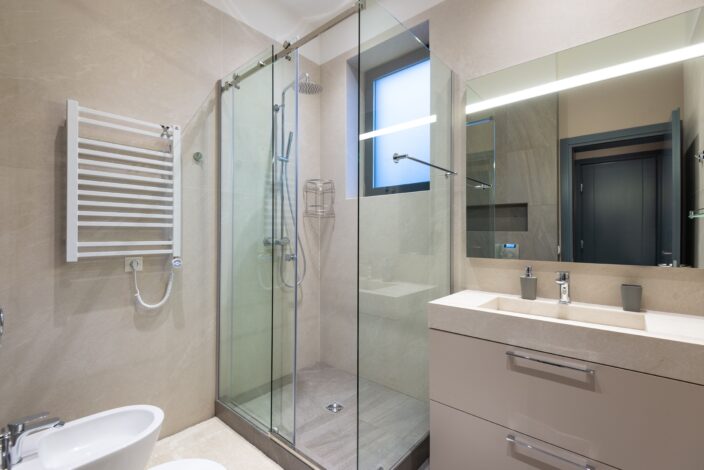
Most families have one or two spaces that shape their daily routine more than any other part of the house. The bathroom is one of them, and an outdated layout, worn surfaces, or an aging tub can make every morning feel more difficult than it should. A well-planned remodel of this room can improve comfort, safety, and storage while giving the whole home a fresher feel.
Homeowners who want to begin with this space can schedule a bathroom remodel that includes options such as new tubs, new showers, walk-in tubs, and conversions between the two. Starting with a room that gets used every single day often delivers the most noticeable improvement for the whole household.
Define Your Goals Before Anything Else
Before you talk about colors or finishes, it helps to be clear about why you want to renovate in the first place. Some homeowners want more space for a growing family. Others want to make the house easier to live in as they get older. Some simply want to replace features that no longer work well or look tired.
Writing your goals down gives every later decision a clear reference point. When you are choosing between two options, you can ask which one better serves the reason you started. This keeps the whole project clearly focused and stops it from drifting into changes you never really needed.
Set a Realistic Budget With Room to Spare
Money is often the biggest source of stress during a renovation. A clear budget, set early, gives you a framework for every choice that follows. It also helps you avoid falling in love with materials or features that you cannot comfortably afford.
When setting your budget, think beyond the obvious costs. Labor, materials, permits, disposal of old materials, and small items like hardware can all add up. Older homes in particular can reveal hidden problems once work begins, such as damaged framing, old wiring, or signs of past leaks.
For this reason, it is wise to keep a reserve set aside for surprises. Having that cushion means an unexpected repair will not force you to stop work or cut corners on the parts of the project you care about most.
Think Carefully About Timing and Daily Life
A major renovation affects more than the rooms being worked on. It can change how your whole household moves through the day. Kitchens, entryways, and other shared spaces may be off limits for a period of time, and noise can make working from home or resting difficult.
Consider the time of year and your family’s schedule before choosing a start date. School terms, holidays, work commitments, and planned travel can all make certain weeks harder than others. Some families prefer to start when they can spend part of the time away, while others plan around the quietest stretch of their calendar.
It also helps to plan for temporary arrangements. If a key room will be unavailable, think about where you will cook, wash, or store belongings in the meantime. A little preparation here makes the work far less disruptive for everyone.
Consider Safety, Access, and Future Needs
A renovation is a good chance to make your home safer and easier to use, both now and in the years ahead. Small choices made today can prevent bigger problems later. Wider doorways, better lighting, slip-resistant flooring, and sturdy grab points are all worth considering, especially if older relatives live with you or visit often.
Think about how your needs might change over time. A layout that works well for a young family may not suit the same people in fifteen or twenty years. Planning with the future in mind can save you from a second round of work down the road.
Choose Materials That Fit How You Live
It is easy to be drawn to materials that look beautiful in photos. The better question is how they will hold up in your home with your family’s habits. Busy households, children, and pets all place different demands on surfaces and fixtures.
Look for materials that are durable, easy to clean, and suited to the conditions of each room. Spaces that see a lot of water, heat, or foot traffic need finishes built for that kind of use. Choosing well at the start means less upkeep and fewer repairs over time.
Warranties are worth comparing as well. Products and workmanship backed by strong coverage give you added confidence that problems will be handled if they arise. This kind of protection can matter just as much as appearance when you look back on the project years later.
Plan for Permits, Paperwork, and Communication
Many larger renovations require permits, especially when the work involves structural changes, plumbing, or electrical systems. Skipping this step can cause delays, fines, or trouble when you eventually sell the house. It is always better to confirm what is required before work begins.
Keep a simple record of agreements, product choices, receipts, and schedules in one place. This makes it easier to track progress and resolve any questions quickly. Clear, regular communication with everyone involved helps keep small misunderstandings from turning into costly and frustrating mistakes.
Finally, give yourself permission to ask questions at every stage. A renovation is a significant investment in your home, and understanding each step helps you make confident decisions and enjoy the finished result.

Meg is an author at Cinnamon Hollow. She writes on a variety of topics sharing tips and ideas for daily life.

