Permanent makeup is a modern procedure that has gone far beyond the simple “tattooing” of eyebrows. Today, it’s a full-fledged art form that combines skill, anatomical knowledge, and advanced technology. It helps enhance natural beauty, correct asymmetry, save time on daily makeup, and even address certain cosmetic concerns.
What Is Permanent Makeup?
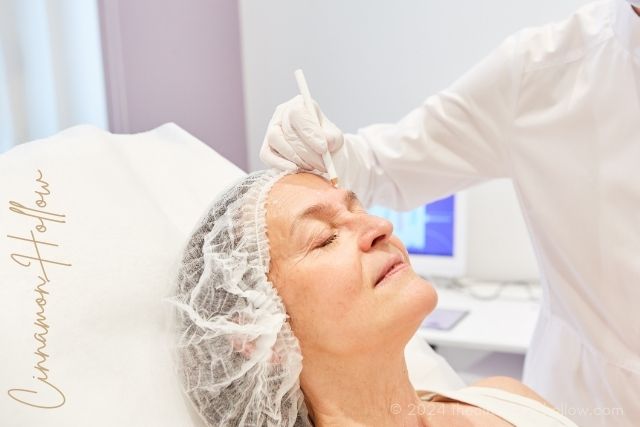
Permanent makeup (also known as micropigmentation) is the process of implanting pigment into the upper layers of the skin to create the effect of makeup—enhancing eyebrows, defining the eyes, or adding fullness to the lips. Unlike traditional tattooing, permanent makeup fades over time and typically requires a touch-up every 1.5 to 2 years, which is actually an advantage—it allows the shape and color to be updated with age or fashion trends.
Types Of Procedures
The most popular procedures include:
- Permanent eyebrow makeup — using powder shading, hair-stroke technique, or a combination of both.
- Lash enhancement liner — a thin, subtle line that visually thickens the lashes.
- Lip blush — gives the lips a defined contour and soft color.
- Scar and vitiligo camouflage — a specialized procedure to even out skin tone.
Each area requires an individual approach—from pigment choice to technique. That’s why it’s crucial to choose a certified and experienced artist.
Why Pigment Quality Matters
The quality of pigment is one of the most important factors influencing the final result. Reliable pigments not only provide vibrant and long-lasting color, but also ensure even fading over time. This helps avoid unnatural shades like blue, purple, or green as the skin heals.
One of the leading pigment brands in the world of micropigmentation is swiss color. These pigments are developed to meet the highest safety and performance standards. They are highly concentrated, have a natural composition, and are suitable even for sensitive skin.
Contraindications
As with any invasive procedure, permanent makeup has some contraindications:
- active inflammation or infection;
- pregnancy and breastfeeding;
- diabetes or cancer;
- skin conditions in the treatment area;
- allergic reactions to pigment ingredients.
Always consult with your artist—and, if needed, a doctor—before proceeding.
Aftercare
Aftercare is responsible for at least 50% of the final result. For the first few days, avoid water, makeup, and touching the treated area. Do not pick at scabs—this may lead to uneven pigment or scarring. It’s also essential to use healing products recommended by your artist.
Permanent makeup isn’t just a beauty trend—it’s a true craft that requires knowledge, precision, and high-quality materials. If you want a natural, long-lasting, and safe result, focus on both the expertise of your artist and the pigments being used. Combining professionalism with premium products like swiss color is the key to beautiful, lasting results.
Check out our Beauty videos below!
[youtube-feed feed=4]

Meg is an author at Cinnamon Hollow. She writes on a variety of topics sharing tips and ideas for daily life.