
Buenos Aires rewards families who explore slowly. Its appeal comes through shaded plazas, colorful streets, old cafés, weekend markets, music, and local areas with distinct personalities.
For families, this makes the city easier to enjoy without turning each day into a sightseeing marathon. Instead of trying to cover every major attraction, parents can build the trip around a few well-chosen districts that combine culture, food, movement, and rest.
This area-based approach works for children, teens, and adults because it gives each day a clear focus. A walk can introduce architecture, a snack can reveal local food traditions, and a plaza can offer space to pause while still feeling connected to the city.
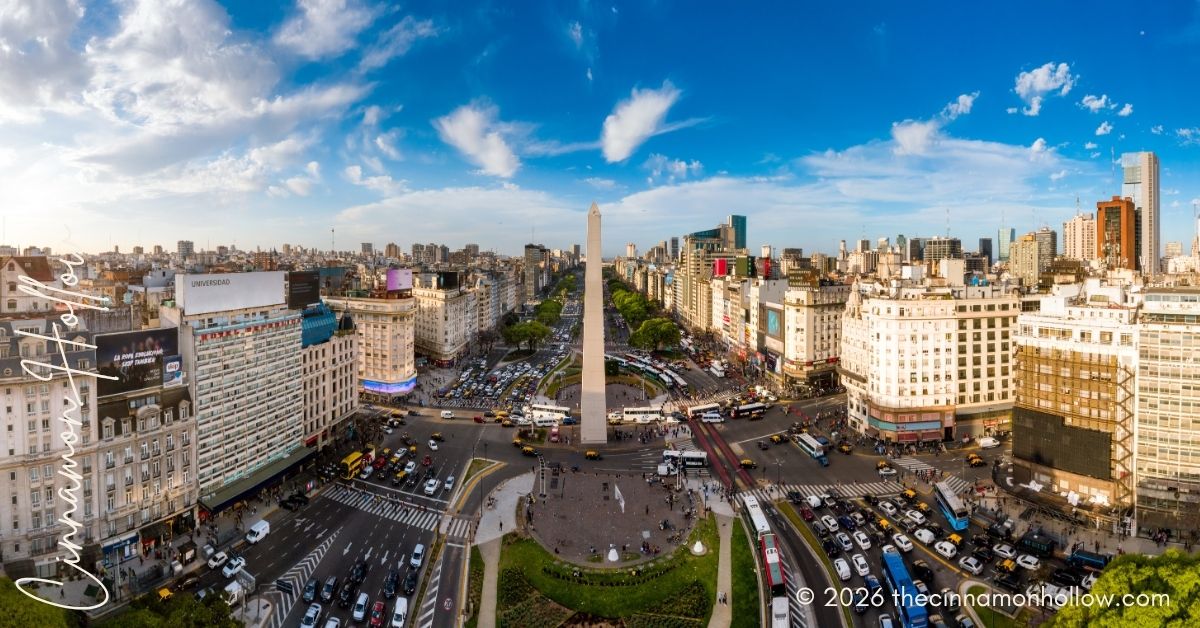
Why Buenos Aires Works Well for Curious Families
Buenos Aires has the energy of a major capital, but many of its best experiences are accessible and simple. Families can walk through historic streets, visit parks, stop for ice cream, browse markets, and listen to music without scheduling every hour.
The city also gives children plenty to notice. European-style buildings stand near bold murals. Old cafés sit beside modern restaurants. Quiet residential streets often lead to lively plazas. Younger travelers may notice colors, dancers, fountains, street performers, or unusual buildings before they understand the history behind them, which makes the city feel approachable.
Parents can shape the trip around different ages and interests. Younger kids may enjoy parks, snacks, street art, and short walks. Older kids and teens may connect with music, football culture, food, politics, architecture, or photography. Adults can explore deeper stories without forcing the family through long museum days or overly formal sightseeing.
Start With Local Areas, Not a Checklist
One of the easiest ways to plan a family trip to Buenos Aires is to think in areas rather than isolated attractions. The city is large, and moving between too many places in one day can become tiring. A district-based plan keeps the pace manageable and helps each stop stand out.
Recoleta offers elegant streets, green spaces, museums, cafés, and the famous cemetery area within a compact route. Palermo works well for slower days because of its parks, gardens, shops, restaurants, and wide sidewalks. San Telmo brings cobblestone streets, antique markets, music, and a strong sense of old Buenos Aires. La Boca adds color, murals, and football culture, while Puerto Madero offers open waterfront walks and a more modern contrast.
Families who want more context behind these places may find that Buenos Aires tours help connect the city’s local areas with stories, food traditions, tango culture, and history. This can be especially useful when traveling with children or teens, since a clear explanation can make a street, building, song, or meal easier to understand.
A simple plan might pair one main district with one flexible activity each day. A family could spend the morning in Recoleta, pause for lunch, and leave the afternoon open for a park or café. Another day could focus on San Telmo, with time for a market, street music, and a relaxed meal nearby. This helps avoid constant map-checking, long transfers, and rushed transitions.
Match Each Area With a Family-Friendly Pace
Buenos Aires invites walking, but distances can be longer than they appear. A beautiful day can become stressful if everyone is hungry, overheated, or tired, so each itinerary should include realistic breaks.
A helpful rule is to choose one main area for the day, then add one nearby backup option that is easy to skip. This keeps the day flexible if children need downtime or the weather changes.
For example, a Palermo day could include a garden, a casual lunch, and a short walk through nearby streets. If everyone still has energy, the family can continue to shops or another park. In San Telmo, a market visit and a walk through historic streets may be enough. In Recoleta, the cemetery area, a café stop, and a park can fill several hours comfortably.
Timing also matters. Many restaurants in Buenos Aires run later than families from other countries may expect, so snacks and earlier casual meals can make the day easier. Cafés, bakeries, ice cream shops, and empanada spots help create a familiar rhythm in an unfamiliar city.
Transportation should support the pace, not control it. Taxis and rideshare options can be useful when children are tired, but walking within one chosen area often gives families the best feel for that part of the city.
Let Music, Dance, and Street Life Tell the Story
Tango is one of the cultural threads many visitors associate with Buenos Aires, and families can approach it in age-appropriate ways. Children do not need a long formal performance to understand that music and movement are part of the city’s identity. They may encounter dancers in public spaces, hear music near restaurants, or notice tango imagery in murals, posters, and shops.
For older children and teens, tango can open a wider conversation about migration, identity, and working-class culture. It developed from a mix of influences and became closely tied to the social history of Buenos Aires and the Río de la Plata region. UNESCO recognizes tango as intangible cultural heritage, which gives families a useful way to understand its importance beyond performance.
Street life adds another layer. A plaza may show how locals gather. A market may reveal food traditions, crafts, antiques, and everyday conversation. A mural may point to politics, football, local pride, or artistic expression.
Parents can turn these moments into simple prompts. Ask children what colors they notice in La Boca, what sounds they hear in San Telmo, or how Palermo feels different from Recoleta. These questions encourage observation without making the trip feel like a lesson.
Make Food Part of the Route
Food is one of the easiest ways to make Buenos Aires enjoyable for the whole family. It gives structure to the day, introduces local culture, and creates natural pauses between activities.
Empanadas are a practical starting point because they are easy to share and come with different fillings. Pizza and pasta reflect the city’s immigrant influences and may feel familiar to cautious eaters. Helado, the local ice cream tradition with strong Italian roots, can be a welcome reward after a long walk. Cafés offer another glimpse of daily life, especially in areas where locals linger over coffee, pastries, and conversation.
A family food plan does not need to rely on formal restaurants. Markets, bakeries, corner cafés, and casual takeaway spots can be easier with children. In San Telmo, food can be paired with market browsing. In Palermo, families can combine a park visit with a casual lunch. In Recoleta, a café break can fit naturally after cultural stops.
Food also gives children sensory memories: the shape of an empanada, the taste of dulce de leche, the sound of a busy café, or the fun of choosing an ice cream flavor after a warm afternoon.
Add History Without Overloading the Day
Buenos Aires has a deep and sometimes complicated history, but families do not need to absorb it all at once. The best approach is to choose small entry points that match the day’s route.
Recoleta can introduce conversations about architecture, memory, and important figures in Argentine history. San Telmo can bring up colonial streets, immigration, markets, and the city’s older character. La Boca can lead to discussions about port life, working-class communities, art, and football. Plaza de Mayo and nearby areas may interest older children and teens who are ready for political history and civic spaces.
The key is to keep historical context short and visible. Instead of giving long explanations, parents can point out a building style, statue, street name, or public square and offer one clear detail. If children show interest, the conversation can continue. If they are tired, the family can move on without losing the value of the moment.
This makes history feel present rather than abstract. Children begin to see that cities are shaped by people, traditions, conflicts, celebrations, and everyday choices.
Turn Each District Into a Learning Moment
A family trip becomes more meaningful when children are invited to notice patterns. In Buenos Aires, families can compare different parts of the city, look for recurring colors, observe how people use plazas, notice café culture, or talk about why certain streets feel older or newer.
This type of learning works best when it follows curiosity. A child might ask why La Boca is so colorful, why people eat dinner late, why tango music sounds different from pop music, or why some cafés look old-fashioned. Each question gives parents a natural way to connect travel with culture.
Families planning future trips can also think about how to add culture and learning to a family vacation without making every activity feel educational. Buenos Aires is a strong example because culture appears in ordinary experiences, including a walk, snack, song, market, or park visit.
Simple activities can help children process what they see. Younger kids might draw a favorite building or meal. Older kids might write a few notes about each stop. Teens might take photos around a theme, such as doors, murals, cafés, or street signs.
At the end of the trip, each family member can choose a favorite area and explain why. One child may remember the colors of La Boca, another may prefer Palermo’s parks, while an adult may connect most with San Telmo’s atmosphere. These reflections help turn the trip into a shared family story.
Keep Room for Slow Moments
Some of the best travel memories come from unscheduled time. Buenos Aires is a good city for this because daily life is part of the experience. Families can sit in a plaza, stop for coffee, watch dog walkers, browse a bookstore, or return to a favorite bakery without feeling that the day has gone off plan.
Slow moments are especially useful when traveling with children. They give everyone time to rest and absorb what they have seen. A tired child may not enjoy another landmark, but may happily remember an hour in a park or a relaxed ice cream stop.
Leaving space in the schedule also makes room for surprises. A family might hear live music, find a small market, notice a beautiful doorway, or discover a quiet street that was not in the guidebook. These details are easy to miss when the day is too crowded.
A balanced itinerary might include one planned cultural activity, one local walk, and one open block of time each day. That rhythm gives the trip shape while still allowing families to adapt based on weather, energy, and interest.
Final Thoughts
Planning a meaningful family trip through Buenos Aires means choosing experiences with care. The city becomes easier to enjoy when families focus on local areas, build in breaks, taste traditional foods, listen to music, and let curiosity guide part of each day.
Buenos Aires has enough culture, history, and energy to fill a packed itinerary, but families often gain more from a slower pace. A thoughtful route through Recoleta, Palermo, San Telmo, La Boca, Puerto Madero, or other districts can help children and adults understand the city through real moments rather than rushed stops.
When each part of the city is treated as its own experience, the trip feels richer and more personal. Families return home with memories of flavors, songs, colors, conversations, streets, and small discoveries that made the city feel alive.
Check out our Travel Adventure videos below!


Hi, I’m Crystal – a Kentucky-based Aromatherapist, wife, mom and the voice behind The Cinnamon Hollow. I share cozy, real-life inspiration for healthier routines, simple home living, essential oil use and safety, beauty, pets, and family adventures. From everyday tips to travel guides, my goal is to help you create a warmer life and embrace each day as its own little adventure. Always remember to live life, one adventure at a time! read more