If you’ve been hesitant about BOTOX because of how it looked on people a decade ago, the conversation has changed significantly. BOTOX, which is a purified form of botulinum toxin that temporarily relaxes specific facial muscles to reduce the appearance of lines and wrinkles, is still the same underlying treatment it has always been. What has changed is how practitioners use it.
The approach in 2026 is far more precise, far more conservative, and far more focused on preserving natural movement than the heavy-handed applications that gave the treatment its stiff reputation. In San Diego, where the aesthetic medicine market is competitive and patients are increasingly well-informed, the standard of care around BOTOX has shifted noticeably toward results that are meant to go unnoticed.
In this blog, we look at five ways modern BOTOX treatment plans are built around natural-looking outcomes.
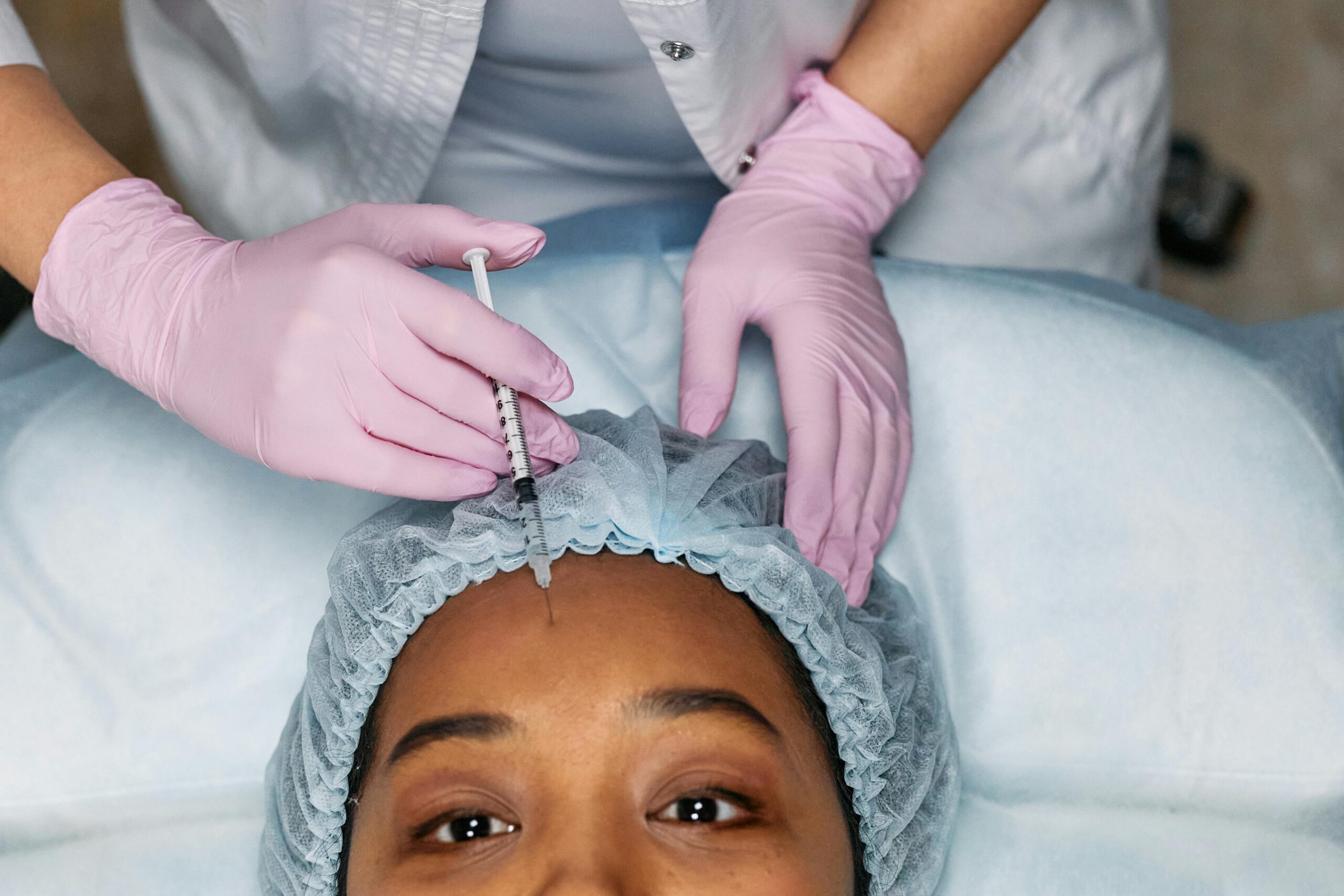
1. Less Is Now the Starting Point, Not the Endpoint
The old approach to BOTOX was often to treat aggressively and let the patient adapt to the result. That thinking has largely been replaced by a philosophy of starting conservatively and building from there. Most experienced injectors today begin with a lower dose than the maximum effective amount, assess the result after two weeks, and then adjust at a follow-up appointment if more relaxation is needed.
That two-stage approach gives the patient much more control over the outcome and significantly reduces the risk of overcorrection. It also means the first treatment session is less about achieving a dramatic result and more about understanding how the individual’s facial muscles respond to the product. Every face is different, and the same dose applied to the same muscle can produce different outcomes in different people depending on muscle mass, skin thickness, and baseline movement patterns.
2. Injection Mapping Has Become More Precise
One of the most significant changes in how BOTOX is administered is the level of anatomical precision involved in planning a treatment. Rather than treating broad areas with standard dose protocols, skilled injectors now map out individual muscle groups and customize both the placement and the dosage based on the specific movement patterns of each patient’s face.
Many people searching for BOTOX San Diego treatments find that experienced practices prioritize facial analysis and individualized planning during the initial consultation. Clinics like Gupta Plastic Surgery emphasize individualized treatment planning that accounts for asymmetry, dominant muscle activity, and the patient’s specific aesthetic goals rather than applying a standard template. That level of customization is what makes the difference between a result that looks refreshed and one that looks treated.
3. Preventative Treatment Is Being Taken More Seriously
BOTOX has traditionally been thought of as a corrective treatment, something you turn to once lines have already formed. That framing has shifted. There is now a growing body of clinical evidence supporting the idea that regular, low-dose BOTOX treatment in the late twenties and early thirties can slow the development of deeper static lines by preventing the repetitive muscle movements that cause them over time.
According to a 2025 study published on PubMed, early intervention with botulinum toxin can reduce the severity of dynamic wrinkles and delay the formation of permanent lines when treatment is started before those lines become deeply set. That finding has changed how a lot of practitioners approach conversations with younger patients, shifting the framing from correction to maintenance, which tends to require less product and produce more natural results overall.
4. Combination Approaches Are Replacing Single-Treatment Plans
BOTOX works exceptionally well for dynamic lines, the ones caused by muscle movement. But it doesn’t address skin texture, volume loss, or the structural changes that come with aging in the deeper layers of the face. Modern treatment plans increasingly combine BOTOX with complementary treatments like dermal fillers, skin resurfacing, or collagen-stimulating procedures to address the full picture rather than one aspect of it.
That combination approach produces more balanced, natural-looking results because it treats the face as a whole rather than targeting individual symptoms in isolation. A patient who gets BOTOX for forehead lines but has noticeable volume loss in the midface may still look older than they want to, not because the BOTOX didn’t work but because the result is incomplete. Practitioners who think in terms of the full face tend to deliver outcomes that hold up better across different lighting conditions and camera angles.
5. Aftercare and Longevity Are Being Managed More Actively
How long BOTOX lasts varies significantly between patients, typically ranging from three to six months, and that variation is influenced by factors including metabolism, sun exposure, stress levels, and how consistently someone has been treated over time. What has changed is how actively practitioners now manage those factors as part of an ongoing treatment relationship rather than leaving patients to figure out timing on their own.
Studies have also shown that regular treatment intervals tend to produce longer-lasting results over time because the targeted muscles gradually weaken with repeated relaxation, requiring less product to achieve the same effect. That means patients who stay consistent with their treatment schedule often find that their results both improve and become more cost-effective as the years go on.
Wrapping Up
BOTOX in 2026 is a different experience from what most people picture when they hear the word. The treatment itself hasn’t changed, but the skill, the philosophy, and the planning behind how it’s delivered have evolved considerably. Natural-looking results aren’t an accident.
They come from precise technique, conservative dosing, and a practitioner who understands that the goal is for no one to notice you had anything done at all. For anyone curious but cautious, the current standard of care is worth a second look.
Check out our Beauty videos below!
[youtube-feed feed=4]

Meg is an author at Cinnamon Hollow. She writes on a variety of topics sharing tips and ideas for daily life.