Why Modern Properties Rely on Comprehensive HVAC Services
Imagine stepping into your home, and it’s always the perfect temperature, no matter the season. This consistent comfort isn’t magic; it’s the result of a well-maintained heating, ventilation, and air conditioning (HVAC) system. Many property owners, however, often overlook the critical role of regular HVAC system checks.
These routine inspections are far more than just a quick glance. They are vital for ensuring your system’s efficiency, preventing expensive breakdowns, extending the overall life of your equipment, and safeguarding your family’s health. Sometimes, an inspection might reveal that a system is beyond simple repair, and a full replacement becomes a more sensible option for long-term comfort and energy savings. In such cases, understanding the full scope of comprehensive HVAC services becomes crucial.
In this guide, we will explore why proactive HVAC care is essential. We’ll cover the signs that indicate your system needs attention, what a professional inspection entails, and how these measures translate into long-term savings and peace of mind for your property.
As homeowners and property managers, we face increasing demands on our HVAC systems due to evolving climate patterns and higher expectations for indoor comfort. Relying on comprehensive HVAC services isn’t just about fixing things when they break; it’s a strategic approach to property management that yields significant benefits. From optimizing energy consumption to averting potentially dangerous malfunctions, a thorough HVAC system check is an investment that consistently pays dividends.
The core reasons we emphasize regular, professional HVAC attention stem from several critical areas: energy savings, breakdown prevention, equipment longevity, and safety verification. An HVAC system that is even slightly underperforming can quietly drain your wallet. For instance, a system operating with just a 10% refrigerant deficit can become 20% less efficient, according to the Department of Energy (DOE). This inefficiency doesn’t just impact your utility bills; it forces components to work harder, accelerating wear and tear and shortening the system’s overall lifespan.
Preventative checks catch minor issues before they escalate into costly repairs. Think of it as a wellness check for your home’s most vital mechanical system. Identifying a loose wire or a dirty coil during a routine inspection can prevent a complete system shutdown on the coldest winter night or hottest summer day. Moreover, these inspections are crucial for extending the operational life of your heating and cooling units, often by several years, postponing the need for expensive replacements.
Perhaps most importantly, comprehensive HVAC services ensure the safety of your occupants. Heating systems, particularly those using natural gas or oil, pose risks such as carbon monoxide leaks or fire hazards if not properly maintained. Professional inspections include critical safety checks, verifying burner combustion, gas valve integrity, and heat exchanger condition to protect against these dangers.
Core Benefits of Comprehensive HVAC Services for Homeowners
For homeowners, the advantages of a diligently performed HVAC system check extend directly to their comfort, finances, and peace of mind.
- Utility Reduction: One of the most immediate and tangible benefits is lower energy bills. Dirty components, such as condenser coils or air filters, force your system to consume more power to achieve desired temperatures. A dirty condenser coil, when cleaned, can improve system efficiency by 5–15%. Similarly, a dirty air filter can increase energy costs and damage equipment. By maintaining optimal efficiency, you’re not just saving money; you’re also reducing your environmental footprint.
- Airflow Optimization: Proper airflow is fundamental to both comfort and efficiency. Issues like dirty blower wheels can reduce airflow by 20–30%, leading to uneven heating or cooling and significant efficiency losses—up to 15% in some cases. Inspections ensure that your system’s “lungs” are breathing freely, distributing conditioned air effectively throughout your home.
- Static Pressure Management: Technicians measure static pressure to assess resistance in your ductwork. High static pressure indicates blockages or undersized ducts, which can strain your blower motor and reduce system performance. Addressing these issues ensures your system operates within design specifications.
- Carbon Monoxide Safety: This is a non-negotiable benefit for homes with gas furnaces. Professional inspections include testing for carbon monoxide leaks, a silent and odorless killer. This critical check provides an invaluable layer of safety, identifying potential hazards before they become tragedies.
- Early Detection: Regular checks are designed to spot small problems—like minor refrigerant leaks, worn belts, or failing capacitors—before they evolve into major, expensive breakdowns. Early detection allows for proactive repairs, often at a lower cost and with less disruption than emergency service calls.
Key Warning Signs Your System Needs an Urgent Checkup
While routine inspections are essential, your HVAC system often provides clues that it needs immediate attention. Being aware of these warning signs can help you schedule an urgent HVAC system check and prevent further damage or discomfort.
- Unusual Noises: Any new or intensified sounds coming from your HVAC unit should prompt concern. Rattling, banging, squealing, or grinding noises can indicate loose parts, motor issues, or problems with the blower fan. For example, a persistent rattling might signal a failing motor bearing or a loose component.
- Strange Odors: Foul or unusual smells emanating from your vents are never a good sign. A musty smell often points to mold or mildew growth within the evaporator coil or ductwork, which can significantly impact indoor air quality. A burning smell could indicate an electrical issue, while a sulfur-like odor might signal a gas leak—a situation requiring immediate professional intervention.
- Uneven Heating/Cooling: If some rooms are noticeably warmer or colder than others, it suggests an airflow problem, ductwork issue, or a system struggling to maintain consistent temperatures. This often indicates reduced efficiency and increased energy consumption.
- High Energy Bills: A sudden or gradual spike in your utility bills without a corresponding change in usage patterns is a classic sign of an inefficient HVAC system. Components working harder due to dirt, wear, or low refrigerant levels will consume more energy.
- Frequent Short Cycling: When your HVAC system turns on and off too frequently, it’s known as short cycling. This can be caused by an improperly sized unit, a faulty thermostat, or a system struggling to reach its set temperature due to underlying issues. Short cycling is inefficient and puts excessive strain on the compressor, shortening its life.
- Poor Airflow: If the air coming from your vents feels weak or inconsistent, it could be due to a clogged air filter, blocked ducts, or a problem with the blower motor. Poor airflow not only reduces comfort but also diminishes your system’s ability to heat or cool effectively.
Ignoring these warning signs can lead to more severe problems, higher repair costs, and prolonged periods of discomfort. When you notice any of these indicators, it’s time to schedule a professional HVAC system check.
Essential Components of a Professional HVAC System Inspection
A professional HVAC system inspection is a meticulous, multi-point check designed to assess the health and performance of your entire heating and cooling infrastructure. Unlike a cursory glance, it involves a systematic evaluation of dozens of components, ensuring operational safety and peak efficiency. Typically, a thorough residential inspection takes approximately 60 to 90 minutes, depending on the system’s size and complexity.
This comprehensive process covers everything from the thermostat settings to the condition of your outdoor condenser unit and indoor furnace or air handler. Technicians follow industry best practices and often adhere to standards set by organizations like ACCA (Air Conditioning Contractors of America) to ensure a consistent and high-quality assessment. The goal is to identify potential issues early, optimize performance, and verify that all safety controls are functioning correctly.
Cooling System Diagnostics: Coils, Refrigerant, and Airflow
When it comes to your air conditioning system, the inspection focuses on several critical areas to ensure efficient and effective cooling:
- Refrigerant Levels and Charge Verification: Technicians will measure the refrigerant pressure and temperature to determine if the system has the correct charge. For systems with a Thermostatic Expansion Valve (TXV), they’ll calculate subcooling, which should be within ±3°F of the manufacturer’s specification. For fixed orifice systems, superheat is measured, typically aiming for within ±5°F of the OEM goal. A system that’s 10% low on refrigerant charge, for example, runs 20% less efficiently.
- Condenser and Evaporator Coils: The outdoor condenser coil and indoor evaporator coil are vital for heat exchange. Inspections involve cleaning the condenser coil, which can improve system efficiency by 5–15% when dirty. The evaporator coil is checked for cleanliness and proper drainage.
- Blower Wheel and Motor: The indoor blower motor and wheel are responsible for circulating air. A dirty blower wheel can reduce airflow by 20–30%, impacting comfort and efficiency. The motor’s electrical connections and lubrication are also checked.
- Condensate Drainage: The condensate drain line removes moisture from the indoor unit. A clogged drain can lead to water leaks, mold growth, and system shutdowns. Technicians clear these lines and ensure proper flow.
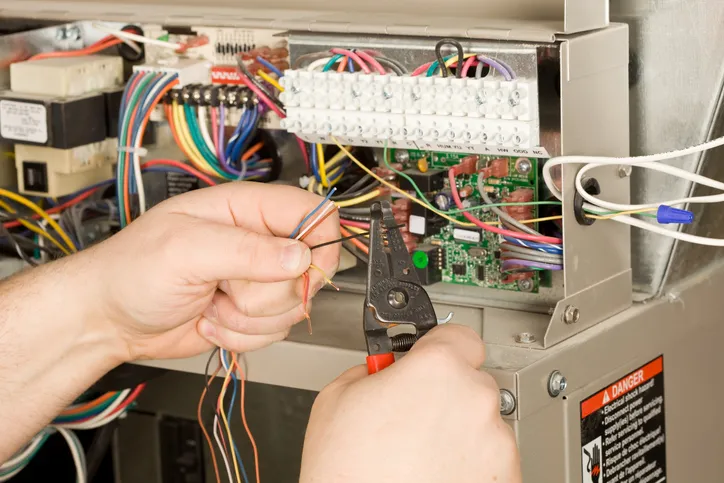
- Electrical Components: Wiring, capacitors, and contactors are inspected for wear, corrosion, and proper voltage/amperage. Weak capacitors are a common cause of cooling system failures.
- Ductwork Evaluation: Visible ductwork is checked for leaks, disconnections, and proper insulation to prevent conditioned air loss.
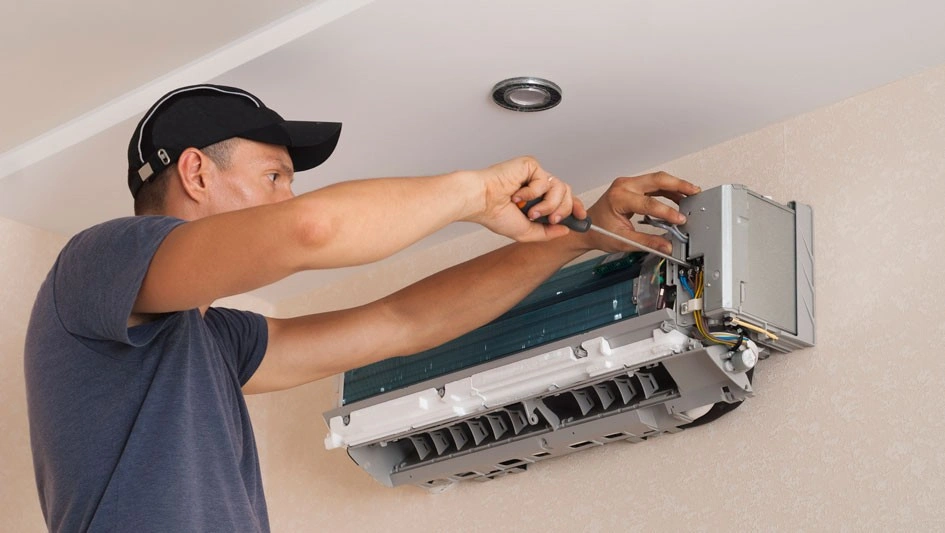
Heating System Safety: Heat Exchangers, Burners, and Electrical Strips
For heating systems, especially furnaces, safety is paramount. The inspection includes:
- Heat Exchanger Inspection: This is a critical safety check for gas furnaces. Technicians visually inspect the heat exchanger for cracks, which can allow dangerous carbon monoxide (CO) to leak into your home’s air supply. Combustion analysis may also be performed to ensure proper burning.
- Burner Flames and Gas Pressure: The quality of the burner flames is assessed (blue and steady). Gas pressure is measured to ensure it’s within manufacturer specifications, typically around 3.5″ water column for natural gas.
- Flame Sensor Cleaning: A dirty flame sensor can prevent your furnace from igniting or staying lit. Technicians clean this component to ensure reliable operation.
- Flue Venting: The flue pipe, which safely expels combustion byproducts, is checked for blockages, leaks, and proper draft.
- Safety Controls and Limit Switches: All safety controls, including high-limit switches and rollout switches, are tested to ensure they function correctly and prevent overheating or other hazardous conditions.
- Electrical Elements (for Electric Furnaces): For electric heating systems, the heating elements and sequencers are inspected for proper operation and electrical integrity.
Professional Inspection vs. DIY Checks
While we encourage homeowners to be proactive with their HVAC systems, it’s crucial to understand the distinct differences between basic DIY maintenance and a professional HVAC system check. Many tasks can and should be performed by homeowners, but the technical complexity and safety risks associated with deeper diagnostics necessitate expert intervention.
DIY checks typically involve easily accessible tasks that don’t require specialized tools or in-depth technical knowledge. These include regularly replacing air filters (every 1-3 months), clearing debris from around the outdoor unit, gently cleaning condenser fins with a garden hose, and ensuring the thermostat is functioning correctly. These actions are vital for day-to-day efficiency and can prevent minor issues from escalating.
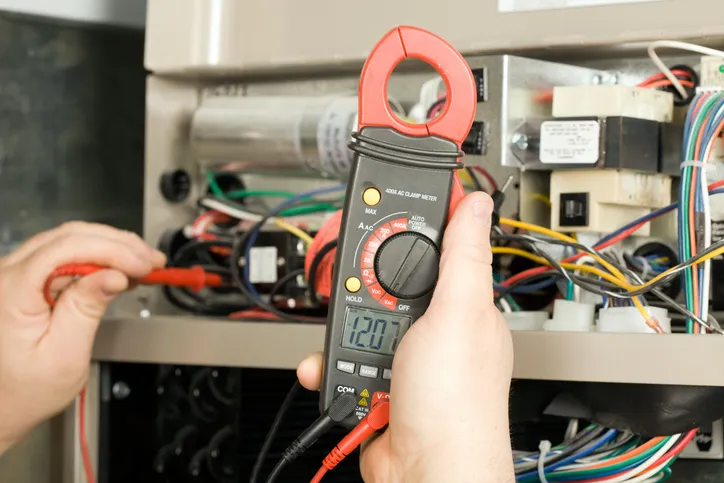
However, the limitations of DIY inspections become apparent when dealing with internal components, electrical systems, refrigerant levels, and combustion processes. HVAC systems are intricate, and a proper evaluation requires specialized tools like manifold gauges, digital manometers, combustion analyzers, and multimeters. Without these, and the training to interpret their readings, a homeowner cannot accurately assess system performance, diagnose subtle problems, or verify critical safety parameters. For example, measuring total external static pressure—the “blood pressure” of your ductwork—requires precise tools to identify airflow restrictions that a visual check would miss. Similarly, carbon monoxide testing and heat exchanger inspections demand professional expertise to ensure safety.
Certified professionals possess the training to not only identify problems but also to understand their root causes and recommend appropriate solutions. They can detect refrigerant leaks, test capacitor microfarad ratings, clean dirty blower wheels, and ensure gas furnace components are operating safely. Attempting these tasks without proper knowledge can be dangerous and may even void your system’s warranty.
Maximizing System Longevity Through Comprehensive HVAC Services
Beyond just fixing immediate problems, comprehensive HVAC services are designed with the long-term health and efficiency of your system in mind. They focus on preventative measures that extend the operational life of your equipment and maintain peak performance.
- Airflow Balancing and Duct Sealing: A significant portion of conditioned air—estimated at 20-30% by Energy Star—can be lost through leaks and unsealed joints in ductwork. Professional services include inspecting and sealing ducts, as well as balancing airflow to ensure each room receives the correct amount of heating or cooling. This reduces strain on your system and improves comfort.
- Capacitor Testing: Capacitors are vital electrical components that help start and run motors. They are a common point of failure. Technicians test their capacitance and replace them if they fall more than 10% below their rated value, preventing costly motor damage and emergency breakdowns.
- Digital Diagnostics and Documentation: Modern HVAC services increasingly leverage digital tools for inspections. These digital workflows not only streamline the process but also boost close rates by 35–40% compared to paper-based methods, as they provide clear photo documentation and detailed reports. This transparency helps homeowners understand findings and make informed decisions.
- Maintenance Plans: Many service providers offer maintenance plans that include discounted semi-annual inspections and priority service. These plans are an excellent way to ensure consistent preventative care, often saving money in the long run by preventing major repairs and extending equipment life.
How Homeowners Should Prepare for a System Inspection
To get the most out of your professional HVAC system check, a little preparation on your part can go a long way.
- Ensure Clear Access: Make sure the indoor and outdoor units, as well as the thermostat, are easily accessible. Clear away any furniture, storage items, landscaping, or debris that might obstruct the technician’s path or work area.
- Replace Air Filters: While the technician will check your filter, replacing a dirty filter before their arrival can help ensure more accurate baseline airflow readings during testing.
- Document Symptoms: If you’ve noticed any unusual noises, strange smells, uneven temperatures, or other performance issues, make a list. This information can provide valuable clues to the technician.
- Gather Documents: Have any previous maintenance logs, inspection reports, or warranty documents readily available. This provides the technician with a history of your system.
- Thermostat Access: Ensure the thermostat is accessible and functioning. The technician will need to test its response and settings.
By taking these simple steps, you help the technician perform a more efficient and thorough inspection, leading to better outcomes for your HVAC system.
Understanding Inspection Costs and Expected Frequency
Investing in regular HVAC system checks is a smart financial decision, typically yielding returns through lower energy bills and avoided repair costs. Understanding the typical costs and recommended frequency can help you budget and plan effectively.
The cost of a professional HVAC inspection can vary based on several factors, including your home’s size, the complexity of your system (e.g., single-stage vs. multi-stage, heat pump vs. furnace and AC), and your geographic location. Generally, an individual HVAC system check in August 2026 typically ranges from $100 to $300 on average. Some providers might offer inspections for as low as $70, while more extensive checks or those for larger, complex systems could reach $500 or more.
Many homeowners opt for maintenance service plans, which often bundle two semi-annual inspections at a discounted rate, sometimes ranging from $150 to $300 annually for both visits. These plans frequently include additional benefits like priority service and discounts on repairs.
Regarding frequency, the consensus among HVAC professionals is that twice-yearly inspections are the optimal standard for most residential homes.
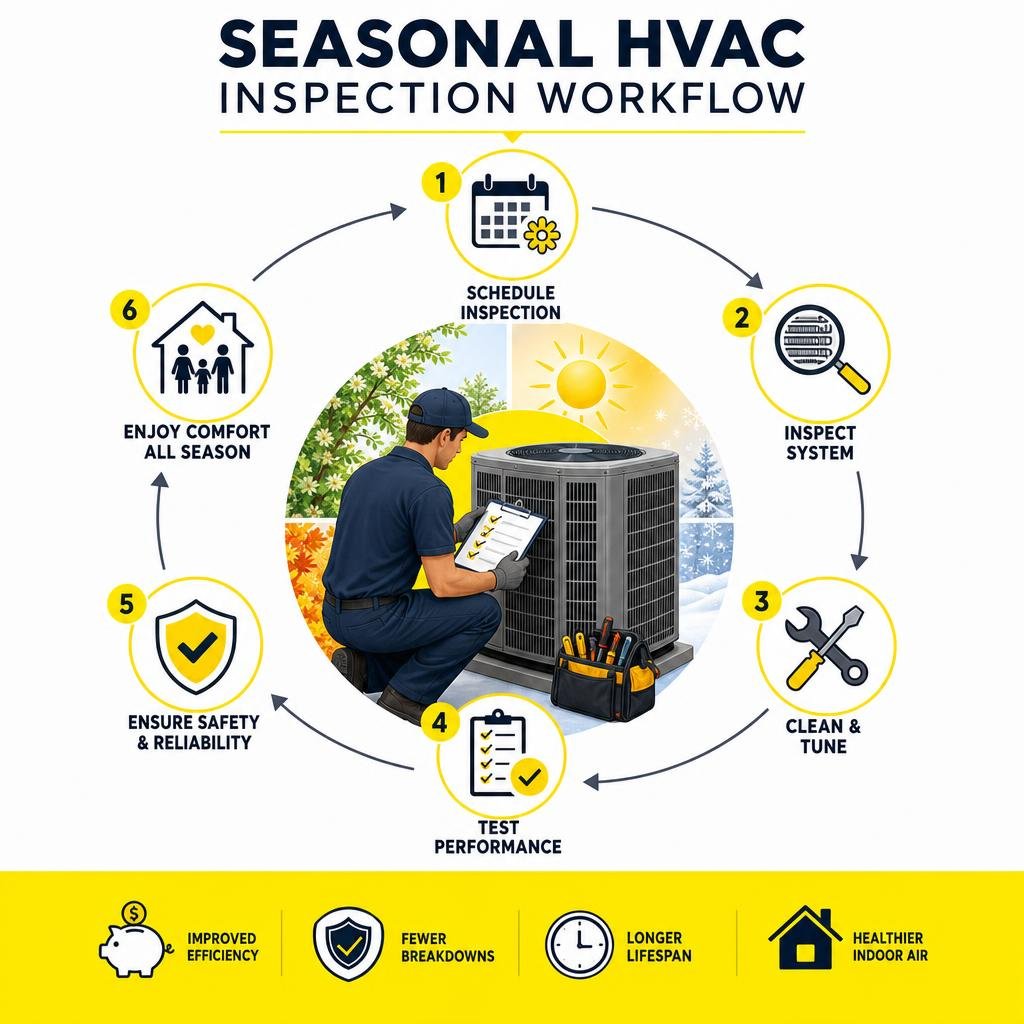
- Spring Inspection (for Cooling Systems): Schedule this check in early spring, before the peak summer heat arrives. This ensures your air conditioner is ready to handle high temperatures efficiently, catching any issues like low refrigerant or dirty coils before they lead to breakdowns.
- Fall Inspection (for Heating Systems): Plan this inspection in early fall, before the winter chill sets in. This focuses on your furnace or heat pump, verifying safety components like heat exchangers and gas valves, and ensuring your heating system is prepared for cold weather operation.
This semi-annual schedule ensures that your system is always prepared for the extreme demands of each season, maximizing efficiency and minimizing the risk of unexpected failures.
Frequently Asked Questions About HVAC Inspections
We often encounter common questions from homeowners about HVAC system checks. Here are some of the most frequently asked, along with our expert insights.
How often should an HVAC system be inspected?
For optimal performance, efficiency, and longevity, we recommend having your HVAC system inspected twice per year. This includes one inspection in the spring, typically for your cooling system (air conditioner or heat pump in cooling mode), and another in the fall, specifically for your heating system (furnace or heat pump in heating mode). This proactive approach ensures your system is seasonally ready, addressing any wear and tear before it becomes a critical issue during peak demand.
How much does a professional HVAC inspection typically cost?
The cost of a professional HVAC inspection can vary, but generally, you can expect to pay anywhere from $70 to $500 or more, with the average cost often falling between $100 and $300. Factors influencing this range include the size and complexity of your home’s system, your geographical location, and the specific services included. Many homeowners find value in maintenance agreements, which often include two annual inspections at a reduced overall price.
What is the difference between an HVAC inspection and a tune-up?
While often used interchangeably, there’s a subtle but important distinction. An HVAC inspection is primarily a diagnostic evaluation. It involves a thorough check of all components to assess their condition, identify potential problems, and measure the system’s performance parameters (like refrigerant levels, airflow, and electrical readings). The goal is to inform you of your system’s health and any necessary repairs.
An HVAC tune-up includes everything in an inspection, but it goes a step further by incorporating active maintenance tasks. This means the technician will not only identify issues but also perform routine cleaning (e.g., coils, condensate drains), lubrication of moving parts, minor adjustments, and filter replacement. A tune-up is designed to optimize your system’s performance and efficiency immediately. Think of an inspection as a doctor’s check-up and a tune-up as the check-up plus preventative care.
Conclusion
In conclusion, prioritizing a comprehensive HVAC system check is not merely a suggestion; it’s an essential strategy for any property owner in August 2026. These routine inspections are the cornerstone of proactive maintenance, safeguarding your home’s comfort, efficiency, and safety. By understanding the critical components involved in an inspection, recognizing the warning signs of a struggling system, and committing to a bi-annual schedule, you can significantly extend the life of your equipment and avoid costly emergency repairs.
The benefits—from lower utility bills and improved indoor air quality to enhanced safety and prolonged system longevity—far outweigh the modest investment in professional HVAC services. Don’t wait for a breakdown to take action. Invest in the peace of mind that comes with a well-maintained HVAC system. Your comfort, and your wallet, will thank you.