A home flood can be one of the most stressful and overwhelming experiences a homeowner faces. Whether caused by severe weather, a burst pipe, appliance failure, or sewage backup, flooding can result in extensive damage to your property and belongings. Beyond the visible destruction, standing water can create long-term issues such as mold growth, structural deterioration, and indoor air quality concerns if not addressed promptly.
Although it is natural to feel overwhelmed after discovering flood damage, taking the right steps can help minimize losses and speed up the recovery process. Acting quickly and methodically can protect your home, your health, and your finances. Here are six important steps to follow after a flood affects your property.
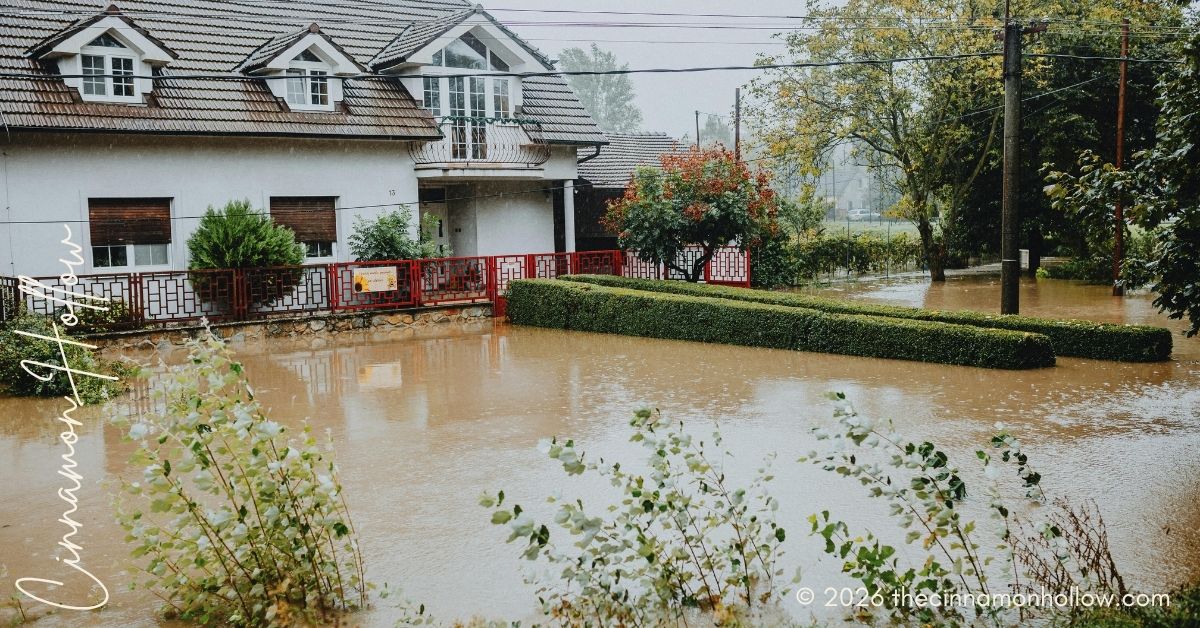
Prioritize Safety First
Before entering a flooded home, it is important to consider potential safety hazards. Floodwaters can conceal electrical dangers, structural damage, sharp debris, and contaminants that pose serious health risks. If the flooding is severe, wait until local authorities or qualified professionals determine that the property is safe to enter.
Once it is safe, wear protective equipment such as waterproof boots, gloves, and appropriate clothing. Avoid direct contact with floodwater whenever possible, as it may contain bacteria, chemicals, or other harmful substances. Protecting your health should always be the first priority during any flood recovery effort.
Stop the Source of Water
If the flooding originated from inside the home, such as a broken pipe, faulty appliance, or plumbing issue, it is essential to stop the water source immediately. Turning off the main water supply can prevent additional damage and limit the amount of water entering the property.
In cases involving weather-related flooding, stopping the source may not be possible right away. However, once conditions allow, addressing the cause of the flooding can help prevent recurring problems and reduce the overall scope of damage.
Document the Damage
Before beginning major cleanup efforts, take time to thoroughly document the affected areas. Photographs and videos can provide valuable evidence of the damage and may be useful when communicating with insurance providers.
Capture images of flooring, walls, furniture, personal belongings, and any structural damage. Keep records of damaged items whenever possible. Proper documentation helps create a clear record of losses and can simplify the claims process if insurance coverage applies.
Remove Standing Water Quickly
The longer water remains inside a home, the greater the risk of damage. Standing water can weaken structural materials, damage flooring, and create conditions that support mold growth within a relatively short period of time.
Using pumps, wet vacuums, fans, and dehumidifiers can help accelerate the drying process. In cases involving significant flooding, professional equipment may be necessary to thoroughly remove moisture from affected areas. Prompt water removal is one of the most important steps in minimizing long-term property damage.
Dry and Sanitize Affected Areas
Even after visible water has been removed, moisture often remains trapped within walls, insulation, flooring, and other building materials. Thorough drying is essential for preventing mold growth and preserving the integrity of the structure.
In addition to drying, affected surfaces should be cleaned and sanitized to remove contaminants. Floodwater may introduce bacteria and other harmful substances into the home, making proper cleaning an important part of the recovery process. Paying attention to both visible and hidden moisture helps create a safer living environment.
Contact Restoration Professionals
Flood damage can extend beyond what is immediately visible. Water may penetrate structural components, electrical systems, and other areas that require specialized evaluation and treatment. Professional restoration services can help identify hidden damage and ensure appropriate recovery measures are taken.
Many homeowners use a reliable emergency restoration company when facing significant flood damage. Professional restoration teams often have the equipment, expertise, and experience needed to remove water, dry affected materials, address mold risks, and restore the property efficiently.
Take Steps to Prevent Future Flooding
Once recovery is underway, it is helpful to evaluate ways to reduce the likelihood of future flooding. Regular maintenance of gutters, downspouts, plumbing systems, and drainage features can help protect your home from water-related issues.
Homeowners may also benefit from installing sump pumps, improving landscape grading, sealing foundation cracks, or upgrading aging plumbing systems. Preventive measures can help reduce future risks and provide greater peace of mind during severe weather events or unexpected emergencies.
Conclusion
Experiencing a home flood can be challenging, but taking prompt and informed action can make a significant difference in the recovery process. Prioritizing safety, stopping the source of water, documenting damage, removing standing water, thoroughly drying affected areas, and seeking professional assistance are all important steps toward restoring your home.
While flood damage can feel overwhelming, a structured response helps minimize losses and support a smoother recovery. With the right approach and timely action, homeowners can restore their property and move forward with confidence.

Meg is an author at Cinnamon Hollow. She writes on a variety of topics sharing tips and ideas for daily life.