You might be noticing little changes in your older pet that are hard to ignore. The slower walks. The hesitation before jumping on the couch. The way they sleep a bit more and seem a bit less sure on the stairs. A trusted Belcamp veterinarian can help you understand what’s normal and what isn’t. Part of you knows this is normal aging, yet another part of you wonders every day, “Are they comfortable? Am I missing something important?”
That quiet worry can be exhausting. You love your pet deeply, and the thought of them being in pain or confused is hard to carry. You might feel torn between not wanting to “overdo it” with tests and appointments, and not wanting to regret what you did not do.
This is exactly where structured senior pet programs come in. They are not about keeping your pet young forever. They are about helping your older dog or cat feel as good as possible, for as long as possible, through planned checkups, early detection, pain control, and support for you as the caregiver. In simple terms, a well designed senior wellness plan can mean fewer crises, more good days, and a gentler aging process for your pet and for you.
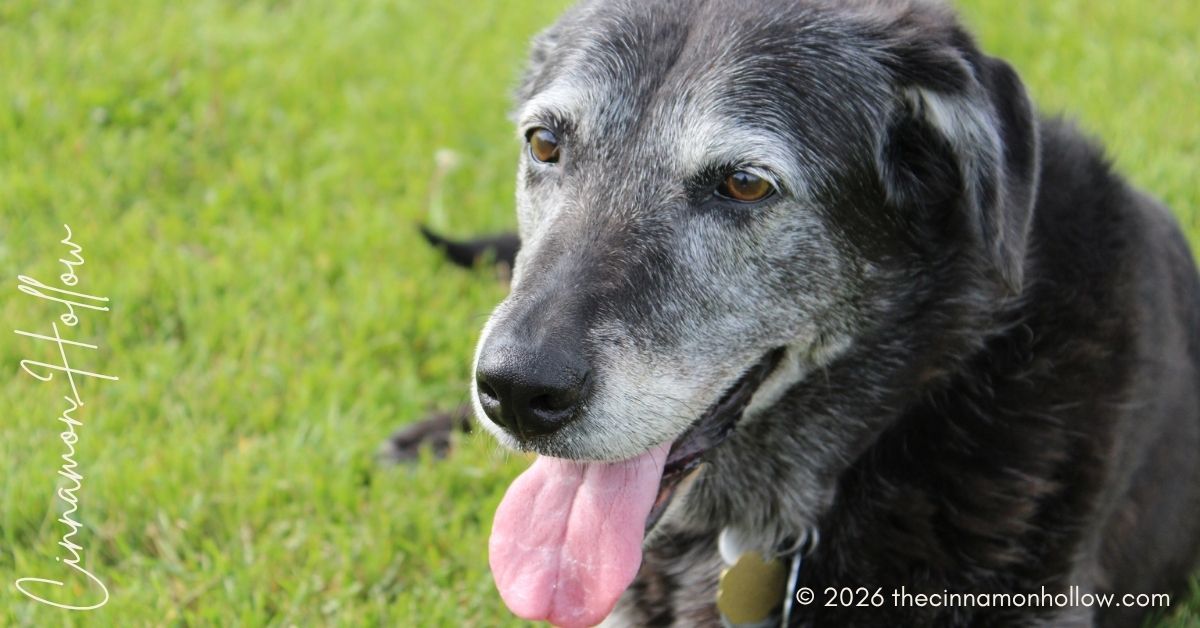
What actually changes as pets age, and why does it feel so overwhelming?
Growing older affects every system in your pet’s body. Joints get stiffer. Vision and hearing can fade. Kidneys and heart may work a little less efficiently. Behavior can shift in subtle ways. You might notice they pace at night, seem “lost” in familiar rooms, or are less patient with children or other pets.
Without a plan, these changes can show up as sudden emergencies. A dog that seemed “just a bit slower” may end up in urgent care with severe arthritis pain. A cat that was “just drinking more water” may arrive with advanced kidney disease. You are left wondering whether something could have been done earlier, and that question can stay with you for a long time.
Because of this tension, you might wonder whether a formal senior pet wellness program is actually worth it, or if regular yearly visits are enough. The truth is, aging pets usually need a different rhythm of care than younger ones. That does not mean constant testing. It means thoughtful, tailored attention based on what we know about how older bodies change.
How do senior pet programs improve day to day quality of life?
A structured program for older pets typically combines more frequent checkups, targeted screening tests, pain assessment, and behavior monitoring. Each part supports quality of life in a different way.
For example, research on canine cognitive dysfunction (often called “dog dementia”) shows that early recognition and management can slow decline and improve daily comfort. One review from the National Library of Medicine describes how behavior changes, sleep disruptions, and anxiety can often be eased with a mix of medications, diet, and household adjustments, especially when caught early. You can read more about these approaches in this scientific overview of cognitive dysfunction in aging dogs.
Similarly, regular lab work for senior pets can catch kidney or liver changes before your pet seems obviously sick. That does not just extend life. It can allow earlier diet changes, fluid support, or medication that keep your pet feeling better and more energetic in the time they have.
So where does that leave you, emotionally and practically? You want to keep your pet comfortable, but you also need to respect your own limits, your schedule, and your budget. A good geriatric pet care plan acknowledges all of that. It is a partnership between you and a general veterinarian, focused on comfort, dignity, and realistic choices rather than endless procedures.
What are the real tradeoffs of senior programs compared to “as needed” care?
It can help to look at the differences side by side. Many pet owners worry that senior programs mean “more tests for the sake of testing.” In reality, they are meant to reduce surprises and focus on quality, not just quantity, of life.
| Aspect | “As Needed” Care for Seniors | Structured Senior Pet Program |
|---|---|---|
| Vet visit timing | Visits mainly when there is a clear problem or yearly checkup | Planned visits every 6 to 12 months, sometimes more often for high risk pets |
| Detection of issues | Problems often found when signs are obvious and disease is advanced | Issues like kidney disease, arthritis, or cognitive decline often found earlier |
| Pain management | Pain treated when it becomes severe or very visible | Regular pain scoring and earlier use of treatments to keep pets comfortable |
| Cost pattern | Fewer routine costs, higher chance of sudden emergency bills | More predictable routine costs, often fewer major crises |
| Emotional impact on owners | More uncertainty, guilt, and shock when problems appear suddenly | More support, clearer planning, and time to prepare for next steps |
| End of life decisions | Often made under pressure during a crisis | Discussed in advance, with focus on comfort and family values |
Research into how people relate to their pets in later life also shows that older animals often hold deep emotional roles in families, especially for people who live alone. That means their comfort and stability matter not just for them, but for your own mental health. A recent study on aging, pets, and human wellbeing highlights how thoughtful support for older animals can also support their owners in very real ways. If you are interested, you can explore that connection in this research on older adults and companion animals.
What can you do right now to support your aging pet?
You do not need to have everything figured out to start helping your pet feel better. A few focused steps can make a meaningful difference.
1. Schedule a dedicated “senior checkup” and be honest about your worries
Ask your general veterinarian for a visit focused specifically on aging concerns, rather than a quick vaccine or problem visit. Bring a list of changes you have noticed, even if they seem minor. Things like pacing at night, slipping on floors, or “just not being themselves” are important.
Ask about a tailored senior pet care plan for the next 6 to 12 months. This might include bloodwork, urine tests, blood pressure checks, and a pain assessment. It should also include a conversation about your goals. For example, is your priority reducing pain, preserving mobility, or avoiding stressful hospital stays whenever possible.
2. Make small home changes that protect comfort and dignity
Quality of life is not only about medication. It is also about how your pet moves, eats, sleeps, and interacts at home. Simple adjustments can reduce pain and confusion more than you might expect.
Consider adding non slip rugs on slick floors, a ramp or steps for getting on the couch or into the car, and a supportive orthopedic bed in a quiet area. For pets with vision or cognitive changes, keep furniture layouts consistent and use night lights to reduce anxiety in dark hallways. Older cats may benefit from lower litter box sides and extra boxes in easier to reach locations.
3. Use a simple “good day tracker” to guide tough decisions
One of the hardest parts of caring for a senior pet is knowing when life is still good for them. Instead of relying on memory, try using a simple calendar or notebook. Each day, mark whether it was a “good,” “mixed,” or “hard” day based on pain, appetite, interest in family, and ability to do favorite activities.
Over several weeks, patterns will emerge. This record can guide conversations with your veterinarian about adjusting treatments, adding pain control, or, when the time comes, talking about peaceful end of life options. Having this written history often eases guilt, because decisions are based on your pet’s actual experience, not one bad day.
Bringing it all together for you and your aging companion
Aging is not a problem you are supposed to “fix” for your pet. It is a phase to walk through together, with as much comfort and clarity as possible. A thoughtful senior pet program, built with a trusted general veterinarian, can turn scattered worries into a steady plan. That means fewer midnight panics, fewer painful surprises, and more days where your pet can still do the things that make them who they are.
You do not have to decide everything today. Start with one step. Talk to your veterinarian about creating a simple senior care plan, ask your questions, and share your limits. From there, you can shape a path that honors your pet’s needs and your own peace of mind.