

Key Takeaways
- French doors can bring daylight, ventilation, and a stronger visual connection to adjacent rooms or outdoor areas.
- The best choice depends on the opening size, swing clearance, sun exposure, privacy needs, and local weather.
- Glass ratings, weather seals, hardware, and installation details matter as much as the door’s appearance.
- Planning for shades, screens, furniture, and drainage before ordering helps avoid expensive compromises later.
French doors remain a practical choice for homeowners who want a paired-door look, usable access, and plenty of glass without turning an entire wall into one large opening. Whether you are considering patio doors, a bedroom opening, or French front doors, the strongest choice begins with how the space needs to work every day.
A beautiful door can still be frustrating if it blocks a walkway, lets in too much afternoon heat, or leaves a room feeling exposed after dark. Start by matching the door to the room, then compare glass, frame materials, hardware, and installation details with comfort in mind.
Why French Doors Still Fit Modern Homes
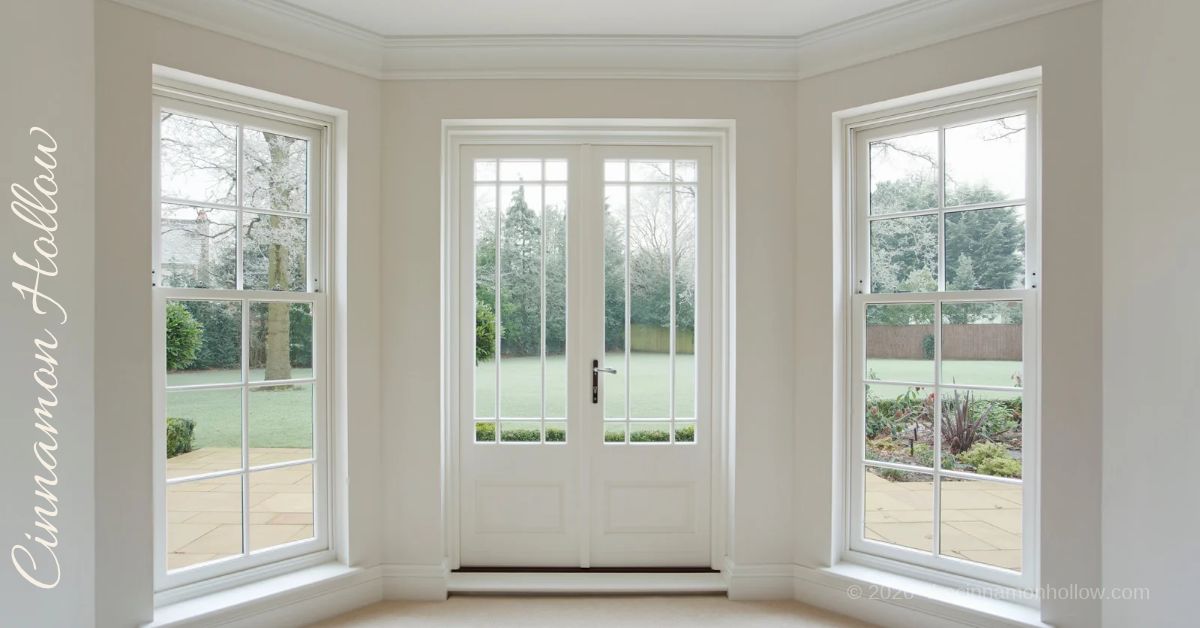
French doors suit a broad range of architectural styles because their design can be simple or decorative. Full-glass panels create a cleaner, contemporary appearance, while divided-light patterns can complement traditional homes. In smaller rooms, glass can visually extend the sightline beyond the walls, making the space feel more open.
They are also useful when a household wants a balanced opening rather than an oversized door system. One panel can be used for daily trips outside, while both panels can be opened when moving furniture, entertaining, or enjoying mild weather.
Start With the Room’s Main Purpose
Think about what happens in the room before narrowing the style. In a living room, French doors can brighten a gathering space and create an inviting path to a deck or garden. In a dining area, they can make a patio feel like part of the entertaining zone. For bedrooms, they may provide outdoor access but require stronger privacy planning.
Interior French doors can separate a home office, den, or formal dining room while still allowing borrowed light to pass between spaces. In every setting, consider who will use the doors, how often they will open, and whether the opening needs to accommodate pets, strollers, or frequent trips with groceries.
Compare Swing Direction and Clearance
Door swing affects comfort more than many buyers expect. Measure the opening at several points, including the trim and the available wall space. Then use painter’s tape to mark the path each panel will take when open.
- Check for chairs, tables, cabinets, stairs, and narrow walkways.
- Decide whether an inward or outward swing protects usable floor space.
- Confirm that handles will not strike a wall or another door.
- Allow room for screens, shades, and curtains.
- Ask the installer how the threshold and exterior landing affect the selected swing.
For example, inward-swinging doors beside a dining table can reduce the space needed to pull out chairs. An outward swing may preserve the interior layout, provided the exterior surface, weather exposure, and local requirements support it.
Choose Glass for Comfort, Not Just Appearance
Because French doors often contain substantial glass, energy performance deserves close attention. Insulated glass units use multiple panes separated by a sealed space, helping reduce heat transfer compared with a single pane. Low-E coatings are thin, nearly invisible coatings designed to manage radiant heat while allowing light through.
Compare whole-product ratings, not just the glass’s appearance. Low U-factor ratings help reduce heat transfer, while solar heat gain coefficient indicates how much solar heat passes through the product. A west-facing door that receives strong afternoon sun may benefit from different glass or shading than a shaded north-facing opening.
Look for a label that makes comparisons easier. The energy performance ratings for doors can include U-factor, solar heat gain coefficient, visible transmittance, air leakage, and condensation resistance information. The right combination depends on climate, orientation, and whether summer cooling or winter heat retention is the greater concern.
Match the Material to Climate and Maintenance
Frame material should fit both the local conditions and the amount of upkeep you are willing to provide. Wood offers natural warmth and can be painted or stained, but exposed finishes need regular inspection and maintenance. Fiberglass is often selected for its resistance to moisture and temperature changes. Composite frames can offer a stable, low-maintenance alternative, while clad doors combine a protected exterior surface with a wood-interior appearance.
Sun, humidity, wind-driven rain, and coastal conditions all deserve consideration. Ask what care the manufacturer recommends, including how often to inspect finishes, seals, and moving hardware.
Balance Daylight With Privacy
Clear glass delivers the most open view, but it can reveal too much when the lights are on at night. Test the view from outside during morning and evening before finalizing the design. This simple check can reveal glare, nearby sightlines, and areas where privacy takes precedence over a fully unobstructed view.
- Use sheer curtains when soft daytime light is the priority.
- Choose cellular shades when privacy and added insulation are both important.
- Consider blinds or shutters for more precise light control.
- Select textured or privacy glass when the door faces a sidewalk or neighboring home.
Think About Security and Daily Use
Examine the complete system, including locksets, hinges, frame construction, strike plates, weatherstripping, and threshold. Both panels should close tightly and operate smoothly. Multipoint locking is a feature worth comparing because it engages the door at multiple points along the frame.
Secure installation is equally important. A well-made door cannot perform as intended if the frame is out of square, the fasteners are inadequate, or the latch does not align properly with the strike plate.
Plan the Threshold and Weather Protection
Before installation, check how water moves across the patio, porch, or entry. The exterior surface should direct water away from the opening rather than toward it. Consider overhangs, drainage, and the transition between interior flooring and the outdoor landing. Accessibility needs should also be addressed before choosing threshold height.
Use Current Design Ideas With Care
French doors can support brighter interiors, natural finishes, and an indoor-outdoor connection, but trends should not override the home’s proportions. Full-glass panels work well for a minimal look, while divided lights add visual structure. Choose a layout that suits the architecture and provides the room with the daylight and privacy it actually needs.
Common Mistakes to Avoid
- Ordering before verifying the rough opening and finished dimensions.
- Ignoring swing clearance until furniture is already in place.
- Choosing clear glass without a privacy or glare plan.
- Prioritizing frame color over glass ratings and weathersealing.
- Forgetting screens, window treatments, exterior drainage, and hardware clearance.
A Simple Buying Checklist
- Measure the opening at several points.
- Identify how the room and doors will be used daily.
- Mark the swing and clearance zones.
- Review sun exposure, weather, and privacy concerns.
- Compare whole-door energy ratings and glass options.
- Select a frame material that fits the maintenance plan.
- Confirm locking, threshold, screens, and installation details before ordering.
Frequently Asked Questions
Are French doors a good choice for small rooms?
They can be, especially when swing direction and furniture placement are planned early. Their glass panels may also make a compact room feel less enclosed.
Do French doors make a room colder?
Comfort depends on the glass package, frame, weather seals, threshold, and quality of installation. Comparing energy ratings helps buyers choose a door suited to their climate.
Should French doors open inward or outward?
Either can work. The best option depends on interior clearance, exterior landing space, weather exposure, and applicable local requirements.
Conclusion
Choosing French doors is about more than selecting a finish or grille pattern. The best doors balance daylight, privacy, energy performance, security, weather protection, and everyday movement through the home. Careful measuring and a clear plan before ordering can help ensure the finished opening looks inviting and works comfortably for years to come.

Meg is an author at Cinnamon Hollow. She writes on a variety of topics sharing tips and ideas for daily life.