If you live in a warm, storm-prone place like Fort Myers, your windows do more work than you probably notice. They deal with heat, humidity, wind, UV exposure, and the occasional dramatic weather plot twist. Old or failing windows can quietly drive up energy costs, make your home less comfortable, and create maintenance headaches. Once you know what signs to watch for, it gets much easier to decide whether you need a simple repair or a full replacement.
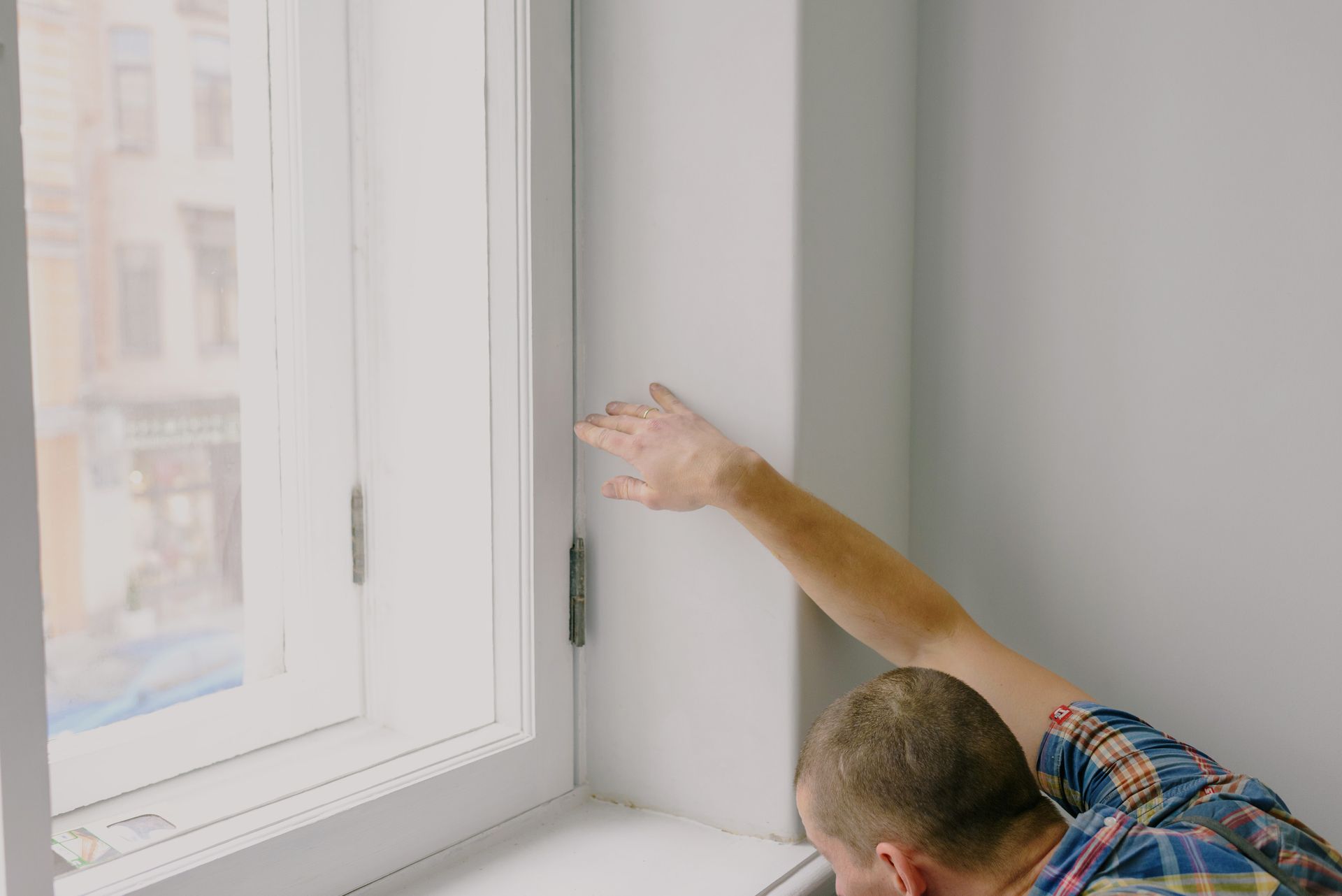
Your Energy Bills Keep Creeping Up
One of the first clues often shows up on your utility bill. If your cooling costs keep rising but your usage habits haven’t changed much, your windows may be leaking air or allowing too much solar heat indoors.
Older windows, especially single-pane models, tend to struggle in hot climates. Even if they still open and close, poor insulation can force your HVAC system to work overtime. That means more wear on your equipment and more money leaving your wallet.
Watch for signs like:
– Rooms that heat up faster than others
– Higher summer electric bills
– A constantly running air conditioner
– Drafts near closed windows
If you’re comparing options from a Fort Myers window replacement company, look closely at energy performance ratings, frame materials, and glass packages. The specs matter more than the sales pitch.
You Feel Drafts or Notice Uneven Temperatures
A window doesn’t need a visible crack to perform badly. Tiny gaps around the frame, worn seals, and warped components can all let outside air sneak in. In Florida, that often means hot, humid air entering your home like it pays rent.
You may notice one room feels sticky while another stays cool. Maybe the area near a window is warmer in the afternoon, or your curtains move slightly even when everything is shut. Those little details add up.
A simple way to check is to stand near the window on a hot or windy day. If the air feels noticeably different around the frame, something is off. Repair may help in minor cases, but aging windows with repeated air leakage usually point to replacement being the smarter long-term move.
The Frames Show Damage, Rot, or Warping
Window frames take a beating over time. Sun exposure, moisture, and temperature swings can break down wood, weaken joints, and warp certain materials. Once the frame starts failing, the whole window system becomes less reliable.
Rotting wood is an obvious red flag, but not the only one. You should also watch for:
– Soft spots in the frame
– Peeling paint that returns quickly
– Swollen or misshapen sashes
– Corners pulling apart
– Water stains around the trim
Warping can make windows harder to lock, which affects both security and storm readiness. In coastal and humid areas, moisture damage can develop gradually, then suddenly become expensive. If the frame itself is compromised, patching it often turns into a short-term fix with long-term annoyance attached.
Condensation Builds Up Between the Panes
If you see fog or moisture trapped between panes of glass, that usually means the insulated seal has failed. Once that seal breaks, the window no longer performs the way it was designed to.
This kind of condensation is different from normal humidity on the room-facing side of the glass. When the moisture is inside the unit and you can’t wipe it away, the issue is internal.
Failed seals can reduce insulation, affect visibility, and signal that the window is nearing the end of its useful life. It may not look urgent at first, but it often leads to bigger performance problems over time.
In a humid climate, compromised seals are especially frustrating. Your windows are supposed to help manage heat and moisture, not invite them in like unannounced guests.
Opening and Closing the Window Feels Like a Workout
Windows should open, close, and lock without a struggle. If you need to shove, jiggle, or wrestle them into place, there’s probably a structural or mechanical issue.
Paint buildup can cause sticking, but repeated difficulty often points to warped frames, balance failures, or shifting in the window opening. Those problems can affect ventilation, safety, and emergency escape access.
Pay attention if you notice:
– Windows that slam shut unexpectedly
– Locks that no longer line up
– Sashes that stick halfway
– Cranks that barely move
– Screens that fit poorly because the frame shifted
This is more than an everyday irritation. A window that won’t close tightly can invite moisture, pests, and outside noise. A window that won’t open properly can become a serious problem when you actually need it to work.
Outside Noise Seems Louder Than It Used to
If traffic, lawn equipment, barking dogs, or neighborhood noise sounds sharper indoors, your windows may not be insulating sound well anymore. Glass thickness, frame construction, and seal integrity all affect how much noise comes through.
You might not notice the change all at once. It often happens gradually, which makes it easier to ignore. Then one day you realize your living room sounds like it has front-row seats to the street.
Older or poorly sealed windows tend to transmit more sound. Replacement windows with better insulation and tighter construction can noticeably improve indoor quiet, especially if your home faces a busy road or active neighborhood.
Noise control isn’t just about comfort. It can affect sleep, concentration, and how restful your home actually feels after a long day.
Water Intrusion Is Showing Up Around the Window
Water stains, bubbling paint, mildew, or damp trim around a window should never be brushed off as minor cosmetic issues. Moisture around the opening can indicate failed seals, drainage problems, or hidden leaks in the surrounding structure.
In rainy and humid regions, window-related water intrusion can escalate quickly. It may damage drywall, encourage mold growth, and weaken nearby framing. By the time the stain becomes obvious, the problem may have already spread behind the surface.
Check for:
– Discoloration on the wall below the window
– Soft drywall or trim
– Musty odors nearby
– Visible mold spots
– Water pooling on the sill
A repair can help if the issue is isolated and caught early. If the window is older and leaks keep returning, replacement usually makes more practical sense than repeatedly chasing the same problem.