Beautiful countries around the world attract travelers for different reasons, including natural landscapes, cultural heritage, wildlife, coastlines, and architectural landmarks. Some destinations are known for mountains and forests, while others are recognized for tropical islands, historic cities, or unique marine environments.
Different travelers also define beauty differently depending on their interests. Some focus on nature and outdoor activities, while others are drawn to history, food culture, or coastal scenery. The following countries are often recognized for offering a wide combination of landscapes and travel experiences.
Indonesia: Diverse Island Experiences
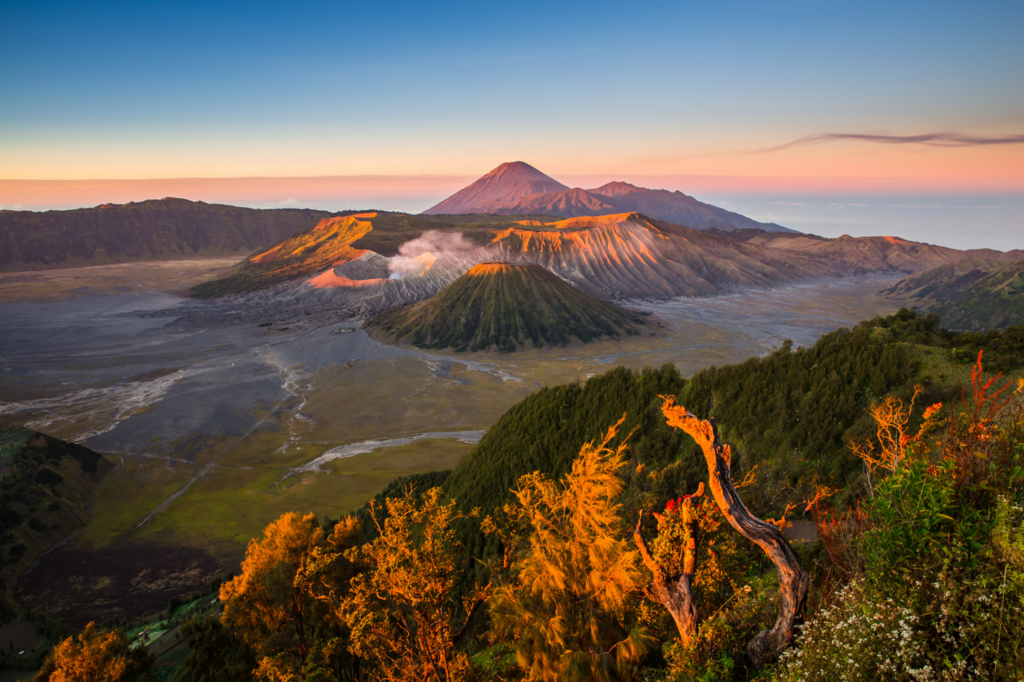
Indonesia is the world’s largest archipelago, made up of thousands of islands stretching across Southeast Asia. The country is known for volcanic landscapes, tropical beaches, rainforests, and marine biodiversity spread across destinations such as Bali, Raja Ampat, Komodo, Lombok, and Java.
The country also attracts travelers interested in outdoor tourism and marine exploration. Many visitors travel across Indonesia for activities connected to scuba diving adventure experiences, particularly in areas like Raja Ampat and Komodo where coral reefs, strong ocean currents, and diverse marine ecosystems contribute to the country’s reputation as a major diving destination.
Switzerland: Defined By Alpine Scenery
Switzerland is widely recognized for alpine scenery, lakes, and mountain villages surrounded by the European Alps. Snow-covered peaks, railway routes, and hiking regions shape much of the country’s tourism identity throughout the year.
Cities such as Zurich, Geneva, and Lucerne also combine historical architecture with modern infrastructure. Seasonal changes create different travel experiences, ranging from skiing during winter to hiking and lake tourism during warmer months.
New Zealand: Nature And Coastal Adventures
New Zealand is known for dramatic natural landscapes that include fjords, mountains, forests, and coastal regions. The country’s North and South Islands both offer different scenery, with volcanic areas in the north and glacier environments in the south.
Outdoor tourism plays a major role in the country’s identity. Hiking, camping, surfing, and wildlife exploration remain common activities for travelers exploring New Zealand’s national parks and coastal regions.
Japan: Blending Tradition With Modern Living
Japan combines urban development with strong cultural traditions and varied natural scenery. Cities such as Tokyo, Osaka, and Kyoto offer modern infrastructure alongside temples, gardens, and historical districts.
Seasonal landscapes also contribute to Japan’s popularity. Cherry blossom season, autumn foliage, mountain regions, and coastal areas all create different travel experiences depending on the time of year.
Norway: Home Of Narrow Sea
Norway is often associated with fjords, northern landscapes, and Arctic scenery. The country’s coastline stretches across deep inlets and mountainous regions shaped by glaciers over thousands of years.
Northern Norway is also known for natural phenomena such as the midnight sun and northern lights. Smaller coastal towns and fishing villages continue to play an important role in Norway’s cultural and tourism identity.
Italy: A Place Full Of History
Italy remains one of Europe’s most visited countries because of its combination of history, architecture, cuisine, and coastal scenery. Cities such as Rome, Venice, and Florence contain historical landmarks connected to ancient civilizations and Renaissance art.
The country’s landscape also varies significantly between regions. Northern Italy includes mountain ranges and lakes, while southern coastlines and islands offer Mediterranean beaches and coastal villages.
Canada: A Vast Natural Landscapes
Canada contains some of the world’s largest natural wilderness areas, including forests, mountain ranges, lakes, and Arctic regions. National parks such as Banff and Jasper attract travelers interested in hiking, wildlife, and alpine scenery.
The country’s geography creates strong seasonal differences. Winters bring snow-covered landscapes and winter sports, while summer opens access to hiking trails, lakes, and coastal exploration.
Iceland: Volcanic Landscapes And Glaciers
Iceland is known for volcanic landscapes, geothermal activity, waterfalls, and glaciers. The country’s terrain is shaped heavily by tectonic and volcanic processes, creating environments that differ from many other European destinations.
Natural attractions such as geysers, lava fields, black sand beaches, and hot springs contribute to Iceland’s tourism appeal. Seasonal lighting conditions also influence travel experiences, especially during winter months.
Thailand: A Journey Through Cultural Heritage
Thailand combines tropical beaches, mountain regions, temples, and urban tourism within one country. Coastal destinations such as Phuket, Krabi, and Koh Samui attract travelers interested in island scenery and marine activities.
Northern Thailand offers a different atmosphere with forests, mountains, and cultural centers such as Chiang Mai. Food culture and street markets also remain important parts of the travel experience throughout the country.
South Africa: Wildlife Coastlines And Nature
South Africa is recognized for combining wildlife, coastal landscapes, mountains, and urban destinations. National parks such as Kruger support safari tourism, while regions around Cape Town provide access to beaches and mountain scenery.
The country’s biodiversity and varied climate zones contribute to its wide range of travel environments. Coastal roads, vineyards, and wildlife reserves all play a role in shaping South Africa’s tourism landscape.
Conclusion
Beautiful countries offer different types of landscapes, cultures, and travel experiences shaped by geography and history. Some destinations are defined by mountains and forests, while others are known for tropical coastlines, wildlife, or historic architecture.
Exploring different regions around the world often reveals how beauty can take many forms depending on environment and cultural identity. From marine ecosystems in Indonesia to alpine scenery in Switzerland and volcanic landscapes in Iceland, these countries continue attracting travelers with diverse natural and cultural experiences.
Check out our Travel Adventure videos below!
[youtube-feed feed=6]

Hi, I’m Crystal – a Kentucky-based Aromatherapist, wife, mom and the voice behind The Cinnamon Hollow. I share cozy, real-life inspiration for healthier routines, simple home living, essential oil use and safety, beauty, pets, and family adventures. From everyday tips to travel guides, my goal is to help you create a warmer life and embrace each day as its own little adventure. Always remember to live life, one adventure at a time! read more