Crawl spaces in Raleigh homes rank among the most mold-prone spots in any structure, and most homeowners don’t realize there’s a problem until it’s already spread. The region’s climate – hot, humid summers and mild wet winters – creates near-perfect conditions for mold to grow beneath your floors year-round. Understanding what causes mold in crawl spaces in Raleigh, NC is the first step toward protecting your home’s structure and your family’s air quality. This article breaks down the two main drivers of crawl space mold and walks you through the practical steps to deal with it, from moisture management to knowing what a professional remediation job actually involves.
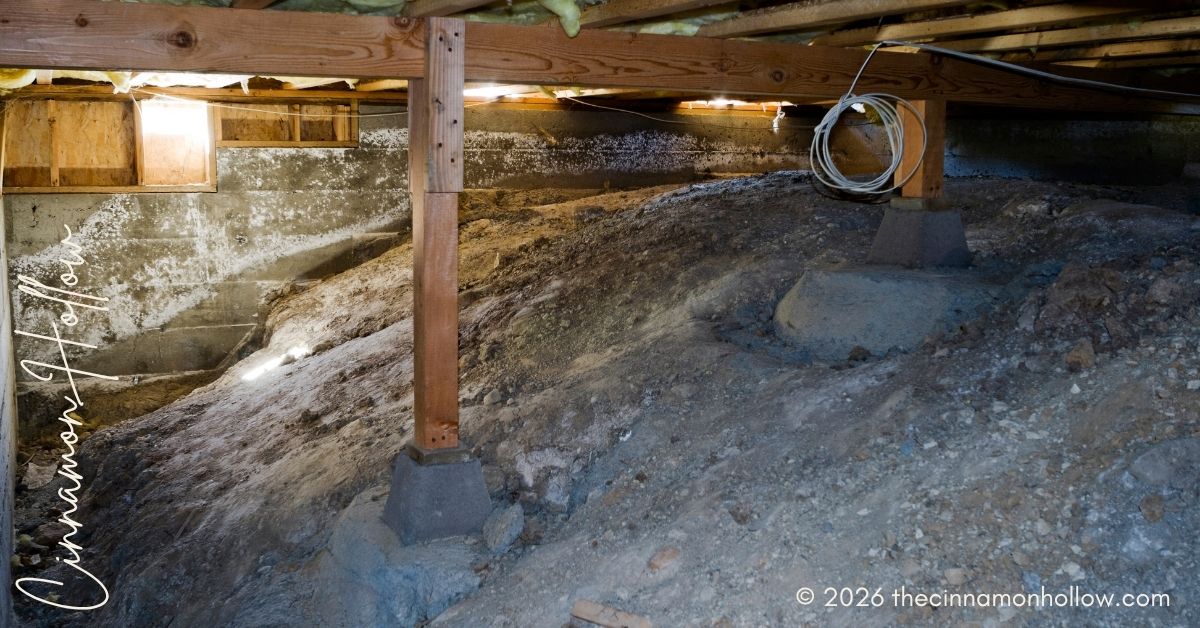
Why Mold Grows in Raleigh Crawl Spaces
Raleigh’s geography does crawl spaces no favors. The city sits in the Piedmont region, where summer relative humidity regularly climbs above 80%, and that moisture doesn’t stay outside; it seeps under homes. It’s common for mold colonies to grow for months in a crawl space before any visible sign appears inside the house. Homeowners often discover this once they bring in Raleigh mold remediation services. The reason mold takes hold so easily comes down to the environment: crawl spaces tend to be dark, poorly aired, and rarely inspected. Mold needs only three things – a food source (wood, paper-faced insulation, or dirt), the right temperature, and moisture above roughly 60% relative humidity. Raleigh’s climate supplies that last ingredient almost effortlessly. So the question isn’t whether a crawl space will ever face a moisture challenge; it’s whether the space is set up to handle it without giving mold a foothold.
High Humidity and Poor Ventilation
Traditional crawl space design in older Raleigh homes relies on foundation vents – small openings along the perimeter walls – to pull fresh air in and push stale, damp air out. Theoretically, that cross-ventilation dries the space out. In reality, it tends to make things worse. Raleigh air in July and August carries so much moisture that drawing it through foundation vents actually raises the humidity inside the crawl space rather than lowering it. Warm, humid outdoor air hits the cooler surfaces in the crawl space – wood joists, subfloor decking, metal ductwork – and condenses. That condensation is all it takes; mold can establish itself on untreated wood within 24 to 48 hours. Homes built after building codes started pushing encapsulation have fared better, but millions of square feet of older Raleigh construction still operate with open or partially blocked foundation vents that do more harm than good. Honestly, if your crawl space smells musty in summer but you haven’t found any leaks, poor ventilation design is almost always the culprit.
Water Intrusion and Drainage Problems
Raleigh averages around 46 inches of rain per year, much of it arriving in heavy, concentrated bursts. Ground saturation events are common, and a crawl space sitting in poorly graded soil – or with no functional vapor barrier on the ground – behaves like a collection basin. Water intrusion in crawl spaces takes several forms. It can arrive as:
- Surface water that pools near the foundation and seeps through cracks in the block or poured concrete walls
- Groundwater that rises through the dirt floor during periods of high soil saturation
- Plumbing leaks from supply lines, drain pipes, or HVAC condensate lines routed through the space
- Roof runoff that misses clogged gutters and flows directly down the foundation wall
Each of these pathways deposits moisture in an enclosed, dark environment where evaporation is slow. Wet wood and wet dirt don’t need to stay soaked for long before mold moves in. Once the organic material in the crawl space absorbs that moisture and stays damp for more than a day or two, Cladosporium, Penicillium, and Aspergillus species – the most common crawl space molds – start to colonize. Left unaddressed, these can also create conditions favorable to more toxic species including Stachybotrys.
How to Fix Mold in Your Crawl Space
Fixing crawl space mold isn’t like wiping down a bathroom tile. The conditions that allowed mold to grow in the first place have to change, or it comes right back. That means dealing with both the existing growth and the moisture source that fed it. A lot of homeowners make the mistake of treating the symptom – scrubbing affected wood or swapping out a section of insulation – without fixing the drainage problem or sealing the vapor pathway underneath. The mold returns, sometimes within a single wet season. Real remediation follows a logical sequence: find the moisture source, eliminate or block it, remove contaminated material properly, then treat and seal the space so conditions stay dry. But skip any step in that sequence, and the job isn’t finished.
Moisture Control and Vapor Barriers
The most effective long-term fix starts at the ground. A high-quality polyethylene vapor barrier – typically 12 to 20 mil thick – laid across the entire crawl space floor cuts off the main pathway for ground moisture to enter the air in the space. In a fully encapsulated crawl space, that barrier also runs up the foundation walls and gets sealed at the seams and at any penetrations. The trick is that this turns the crawl space from a semi-outdoor environment into a controlled, conditioned zone. Paired with a dehumidifier sized for the square footage of the space, encapsulation can drop crawl space humidity to between 45% and 55% relative humidity consistently, well below the threshold mold needs to survive. For Raleigh homes with foundation vents, sealing those vents after encapsulation is part of the process. Some homeowners also add a sump pump if the space has a history of standing water during heavy rain events; addressing drainage grading around the foundation at the same time matters too, because interior fixes only go so far when the exterior still channels water toward the house.
When to Call a Professional
You can handle minor surface mold on non-porous materials yourself – with appropriate protective gear and the right cleaning agent. But crawl spaces carry real risks that make DIY remediation a poor choice in most cases. And here’s the thing: the mold usually isn’t limited to one visible spot. It spreads across wood joists, subfloor decking, and insulation in patterns that aren’t obvious without a moisture meter or an infrared camera. Disturbing mold colonies without proper containment – plastic sheeting, negative-air pressure, HEPA filtration, releases spores into the air and can push contamination into the living space above. A certified inspector can tell you the extent of the growth, identify the species involved, and determine whether structural wood has suffered enough damage to need replacement rather than just treatment. Post-remediation clearance testing then confirms the spore count has returned to an acceptable baseline before the space gets sealed. If you’re noticing a persistent musty smell on your ground floor, unexplained allergy symptoms in household members, or visible dark staining on floor joists, those are clear signals the problem has moved beyond what a weekend project can fix.
Conclusion
Mold in Raleigh crawl spaces is a predictable consequence of the region’s climate, not a freak accident. High ambient humidity, poorly designed ventilation, and seasonal water intrusion all push moisture into a dark, enclosed space where mold thrives with almost no resistance. The fix has two parts: remove the existing growth correctly, and change the underlying conditions so moisture can’t accumulate again. Vapor barriers, proper drainage, and controlled ventilation handle the root cause. Professional assessment and clearance testing confirm the job is actually done. If you suspect mold is already present beneath your home, getting an inspection sooner rather than later limits the spread and keeps remediation costs from climbing.