Finding a safe way to handle mole or skin lesion care feels much better when the path forward isn’t a total mystery. If your skin is the reactive type (i.e. easily irritated, prone to lingering redness) the best routes usually involve a mix of professional eyes, a soft touch during the procedure, and aftercare that actually respects your skin’s temperament. It shouldn’t feel like a race or a stressful ordeal.
There’s a lot of variety in what might be going on with a spot. Some benign growths are perfect candidates for something fast with almost no downtime, like cryotherapy. Other spots, though, need a slower look or maybe a trip to the lab before anyone does anything. It’s about getting the right fit for the specific spot and your skin’s specific needs.
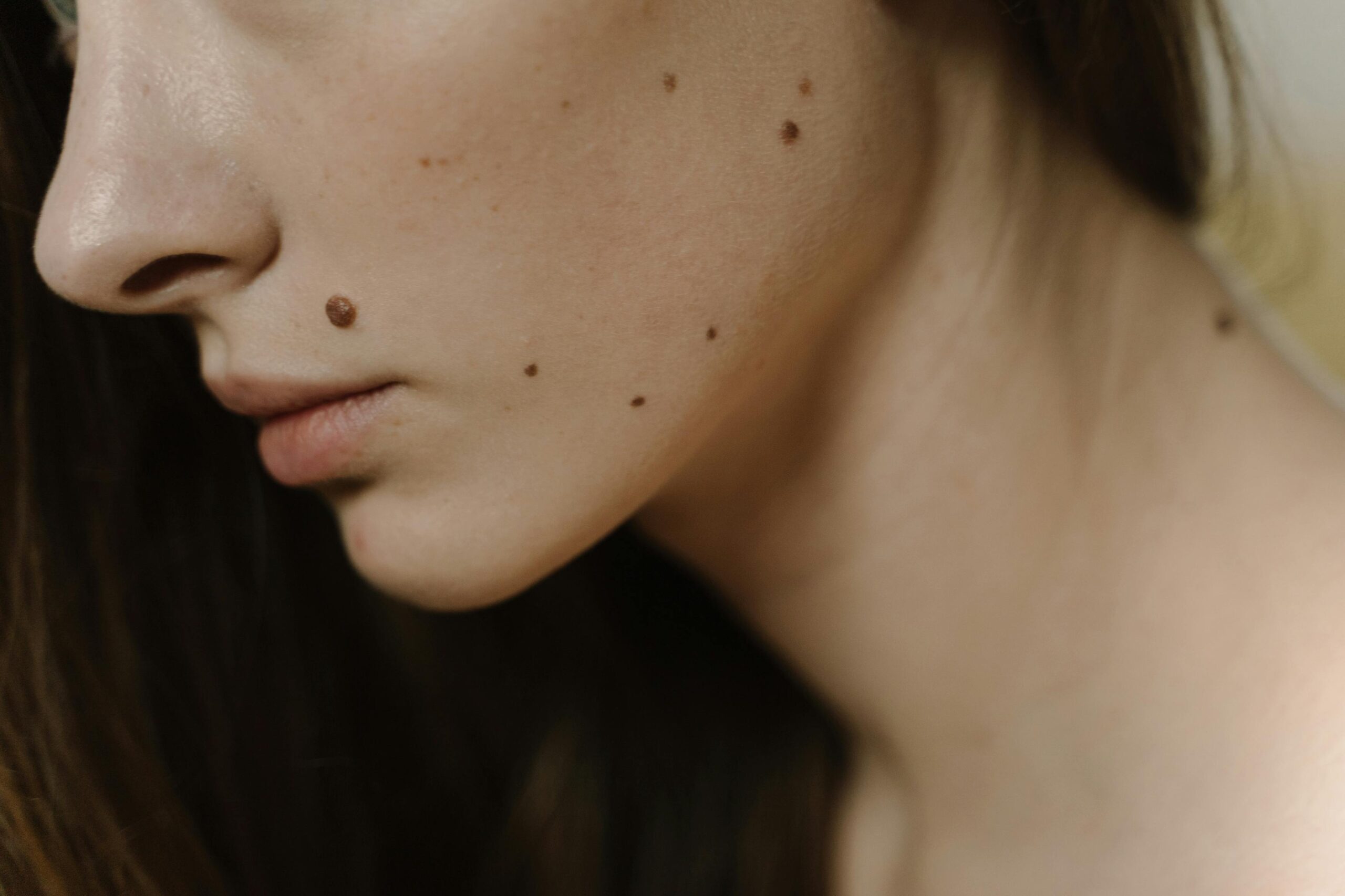
Get a Professional Assessment First
There’s a tendency to search for the “best” treatment online before understanding what the lesion actually is. That usually creates more confusion than clarity.
A dermatologist looks at more than the mole itself. Texture. Pigment variation. Placement. Whether the surrounding skin is reactive, inflamed, or prone to discoloration afterward. Those details shape the recommendation in ways people don’t always expect.
A raised spot near the collarbone may constantly catch on clothing. Something flat along the cheek may become more emotionally noticeable than physically bothersome. Skin doesn’t exist in isolation from daily life. That’s part of the conversation too.
Sometimes the appointment is reassuring immediately. Other times, a biopsy is recommended first. The uncertainty can feel uncomfortable for a moment, but it’s usually better than moving too quickly toward treatment that wasn’t appropriate in the first place.
Mole Removal Methods Explained
There isn’t one treatment that works for every person or every mole. Dermatologists usually recommend a method based on depth, placement, appearance, and whether laboratory testing is needed. Skin sensitivity becomes part of that decision too.
Cryotherapy often turns out to be a strong choice for specific benign spots. It relies on targeted freezing to deal with those non-malignant lesions, which means there’s no cutting involved, a huge plus for anyone dreading a blade. If you’re looking into mole removal, it makes sense to ask if freezing is possible. It’s a conversation worth having, particularly if you’re prioritizing comfort and a process that won’t disrupt your week.
With surgical excision, the doctor removes the mole plus a thin rim of the skin around it. It’s a bit more involved, but it ensures everything is clear. The area is then closed with stitches. This is often chosen when tissue needs to be sent for laboratory testing.
Shave removal may be used for raised moles that sit above the skin’s surface. It can feel less involved than deeper procedures, though it isn’t right for every type of growth.
Laser treatment can help with certain harmless pigmented spots, but it’s generally avoided when a tissue sample is needed. Radiofrequency or electrosurgery can also remove or refine tissue with controlled heat.
Different methods come with different healing expectations. Diagnosis comes first. Then comfort, cosmetic goals, and skin response.
Questions to Ask If You Have Sensitive Skin
A consultation can help people feel more informed and less anxious before treatment. Sensitive skin deserves extra attention, especially when irritation or scarring has happened in the past. Asking direct questions allows the dermatologist to tailor the experience more carefully.
Helpful questions may include:
- Will this method increase the risk of scarring or discoloration?
- How long should redness or tenderness last?
- Are fragrance-free healing products recommended afterward?
- Could this treatment trigger eczema, rosacea, or irritation?
It’s also important to discuss medications, allergies, and previous skin reactions. Even over-the-counter products can affect healing.
People sometimes hesitate to speak openly about cosmetic concerns, but those concerns are valid. A mole on the face, neck, or chest may affect confidence or comfort. A respectful provider understands that appearance and emotional well-being can both matter during treatment decisions.
A good consultation should leave the patient feeling informed rather than pressured. Clear expectations often reduce stress before the procedure.
Post-Removal Care for Sensitive Skin
Recovery has its own rhythm. Especially with sensitive skin. Some areas heal quietly. Others stay pink for weeks, sometimes longer, before gradually settling into the surrounding skin tone.
A small scab can look worse on day five than it did on day two. That doesn’t automatically mean something is wrong. Skin repairs itself unevenly sometimes. People often expect healing to look linear. It rarely does.
| What to Avoid | Why It Matters for Sensitive Skin |
| Fragranced lotions | They can trigger stinging, redness, or irritation. |
| Retinoids and exfoliating acids | These may weaken the healing skin barrier. |
| Scrubs or cleansing brushes | Friction can reopen the area or worsen tenderness. |
| Makeup on an open wound | It may introduce bacteria or slow healing. |
| Swimming too soon | Chlorine and bacteria can irritate healing skin. |
| Picking at scabs | This can increase the risk of scarring or discoloration. |
It can be tempting to check the area often, but touching slows things down. Picking at a scab can also increase scarring or pigment changes.
Once the skin has closed, the focus shifts. Moisture, sun protection, and patience become more important than doing more.
Finding a Provider Who Understands Sensitive Skin
For sensitive skin, technical skill matters. So does temperament. A good clinic doesn’t rush through explanations or minimize concerns about scarring, discomfort, or appearance. They understand that cosmetic concerns are still legitimate concerns. Especially when the lesion sits somewhere visible every single day.
Board certification matters, of course. Experience matters. Still, people often remember something simpler afterward. Whether they felt listened to. That feeling tends to shape the whole experience more than expected.
Some dermatologists are especially thoughtful about reactive skin. They adjust bandages, simplify aftercare instructions, or recommend slower healing timelines upfront so patients aren’t alarmed later. Quiet adjustments. But meaningful ones.
Before Your Mole Removal
Mole treatment can feel intimidating when the skin reacts easily, but informed decisions often make the process more manageable. Understanding the available options, asking clear questions, and following careful aftercare instructions can support healthier healing and greater peace of mind. Sensitive skin deserves patience and individualized care. With guidance from a qualified dermatologist, many people find an approach that protects skin health while addressing personal concerns in a safe and respectful way.
The owners and authors of Cinnamon Hollow are not doctors and this is in no way intended to be used as medical advice. We cannot be held responsible for your results. As with any product, service or supplement, use at your own risk. Always do your own research and consult with your personal physician before using.

Meg is an author at Cinnamon Hollow. She writes on a variety of topics sharing tips and ideas for daily life.