The return of conferences and corporate events has become one of the clearest signs that in-person business interactions still matter. Across the United States, cities are seeing renewed demand for conventions, trade shows, and industry gatherings. These events bring together professionals, generate visitor spending, and support a wide range of local businesses.
Denver offers a relevant example. With Denver’s convention industry recovering, businesses have focused on making events more engaging and memorable. That can range from incorporating local experiences into conference schedules to using services such as coffee catering in Denver to encourage networking between sessions. These choices may seem minor, but they reflect a larger shift in how organizations think about events.
That evolution is part of a much bigger story. Conventions have become powerful economic engines that influence tourism, employment, hospitality, workforce development, and urban growth. What happens inside a convention center may last only a few days, but the economic impact often spreads throughout an entire city.
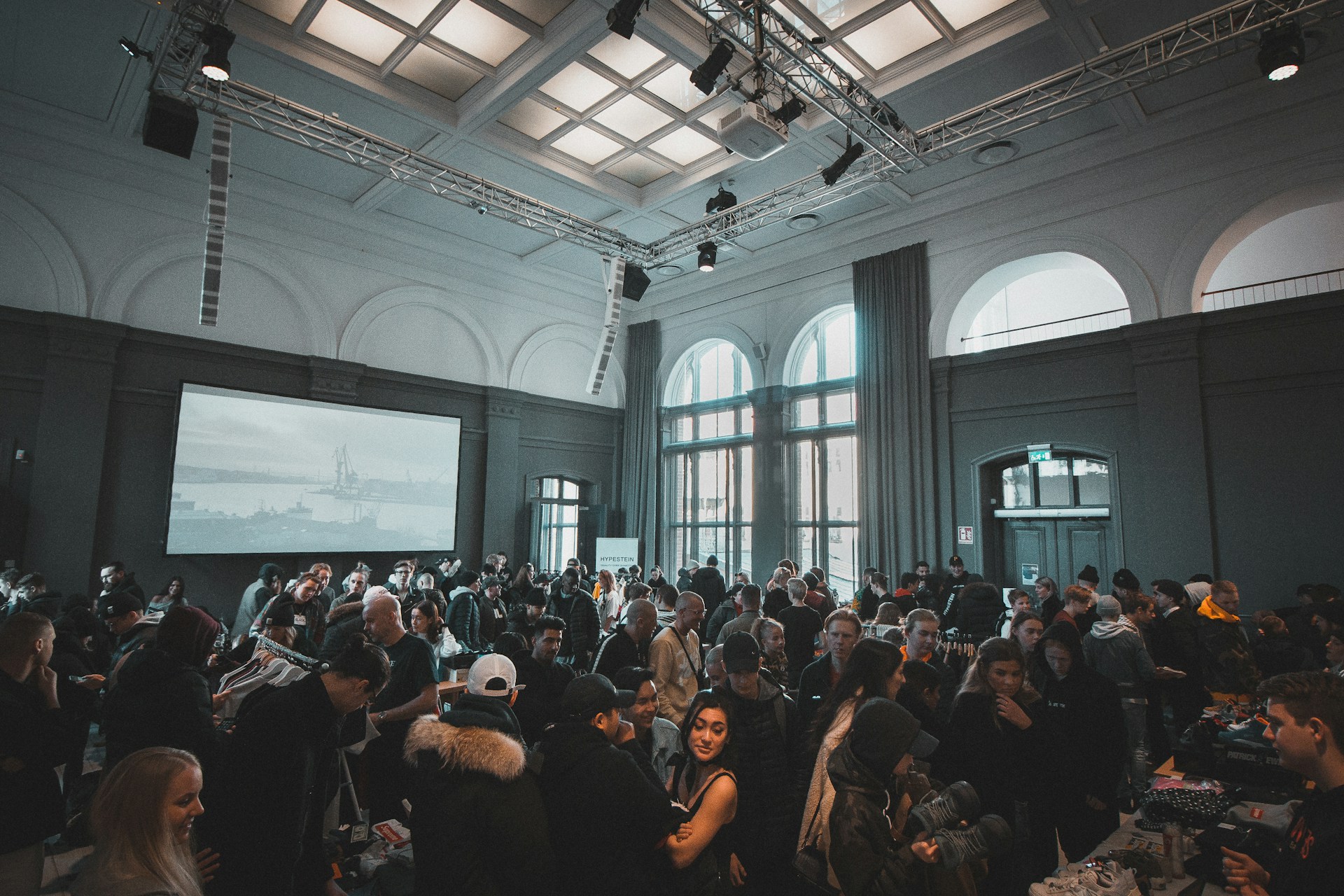
The Recovery of In-Person Business Events
The meetings industry was one of the sectors most heavily affected by the pandemic. Travel restrictions, canceled events, and the rapid adoption of virtual communication tools led many observers to wonder whether large conferences would ever fully return. Recent developments suggest that they have.
According to reporting by The Colorado Sun, Denver’s convention business has largely returned to pre-pandemic activity levels. Industry leaders noted that conventions often operate on long booking cycles, meaning many events scheduled today were planned years in advance. That delayed recovery compared with leisure travel, but it also demonstrated the resilience of in-person gatherings.
The rebound carries significant economic implications. Convention attendees spend money on hotels, restaurants, transportation, entertainment, and other services throughout their stay. As a result, the recovery of conference activity benefits far more than the venues hosting the events.
Business leaders continue to recognize something that virtual platforms have not fully replaced. Face-to-face interaction remains valuable for building trust, strengthening partnerships, and creating new opportunities.
Cities Are Investing Because Gatherings Create Growth
Conventions have become more than tourist attractions. Increasingly, they are viewed as economic development tools.
When a city hosts a major event, the benefits often reach far beyond the convention center. Visitors support local businesses, increase hotel occupancy, and introduce new opportunities for entrepreneurs and service providers.
The broader impact of gatherings can be seen in Kansas City. A recent Kansas City Star report highlighted the work of entrepreneur Jackie Nguyen and Hella Good Deeds founder and executive director Béty Lê Shackelford.
Through community events and cultural festivals, they helped strengthen local business networks and support entrepreneurs. What began with Café Cà Phê grew into nonprofit initiatives, business development programs, and plans for long-term community infrastructure.
Although community festivals differ from large conventions, the principle is similar. Bringing people together often creates connections that lead to future opportunities. Business relationships form, local organizations gain visibility, and communities become more economically connected.
That helps explain why cities continue investing in convention centers, downtown districts, and event infrastructure. Leaders increasingly recognize that successful gatherings can generate value long after the event ends.
Experience Has Become a Competitive Advantage
As competition for events grows, convention centers are adapting.
The Tampa Convention Center recently completed a capital improvement project valued at approximately $44 million. The upgrades expanded waterfront meeting spaces and enhanced the attendee experience. According to the City of Tampa, the facility is expected to generate an estimated $152.7 million economic impact in 2026.
These investments reflect changing expectations among event attendees. Businesses are no longer choosing destinations based solely on meeting space. They are also evaluating the overall experience.
Even small details can influence how attendees remember an event. A comfortable lounge area and an outdoor networking space can encourage conversations that might not happen inside a meeting room.
Even the addition of a coffee catering service can boost attendee engagement. According to Astro Coffee, services such as mobile espresso bars and on-site baristas can create natural gathering points throughout an event. For many attendees, a coffee break becomes an opportunity to continue conversations and build valuable professional connections.
A Growing Industry Supports Thousands of Jobs
The meetings and events industry supports a much larger workforce than many people realize. According to the U.S. Bureau of Labor Statistics, employment for meeting, convention, and event planners is projected to grow 5% through 2034. The agency also estimates approximately 15,500 job openings each year during that period. In 2024, the median annual wage for event planners reached $59,440.
These figures only capture a portion of the industry’s economic footprint. Conferences and corporate events also create demand for hospitality professionals, caterers, venue operators, transportation providers, marketers, production crews, and technology specialists. Every successful event depends on a network of workers operating behind the scenes.
The continued growth of the sector highlights the enduring value of in-person interaction. Despite advances in virtual communication, businesses continue investing in conferences because they facilitate networking, collaboration, and relationship-building in ways that digital platforms often cannot. As demand for events grows, so does the workforce that makes them possible.
FAQs
What are conventions in business?
Business conventions are large gatherings where professionals, companies, or industry groups meet to share knowledge and build relationships. They often include presentations, exhibitions, networking sessions, and product showcases. Conventions typically attract attendees from multiple organizations within the same industry.
What is the purpose of a convention?
The purpose of a convention is to bring people together around shared professional interests or industry goals. Attendees exchange ideas, learn about trends, and develop business relationships. Conventions also help organizations promote products, services, and innovations.
What is the difference between a convention and a conference?
A conference primarily focuses on education, discussions, and presentations around a specific topic or issue. A convention is usually larger and combines learning with exhibitions, networking, and industry-wide activities. Conferences often have narrower objectives, while conventions serve broader professional communities.
Key Industry Statistics
| Tampa Convention Center economic impact (2026) | $152.7M |
| Tampa Convention Center improvement project | $44M |
| Event planner job growth through 2034 | 5% |
| Annual event planner openings / Median wage (2024) | 15,500 jobs / $59,440 |
The recovery and evolution of the meetings industry reveal something important about modern business. Cities continue investing in convention infrastructure because the benefits extend far beyond event venues.
Denver’s convention rebound demonstrates the resilience of in-person business gatherings, while Tampa’s investments highlight the growing importance of attendee experience. In Kansas City, community events have shown how bringing people together can support entrepreneurs, strengthen local networks, and create lasting economic opportunities.
Workforce projections from the U.S. Bureau of Labor Statistics further suggest that demand for event-related professionals remains strong.
Together, these trends show that conferences are not merely gatherings. They are catalysts for economic activity, professional connections, and long-term community growth.

Meg is an author at Cinnamon Hollow. She writes on a variety of topics sharing tips and ideas for daily life.