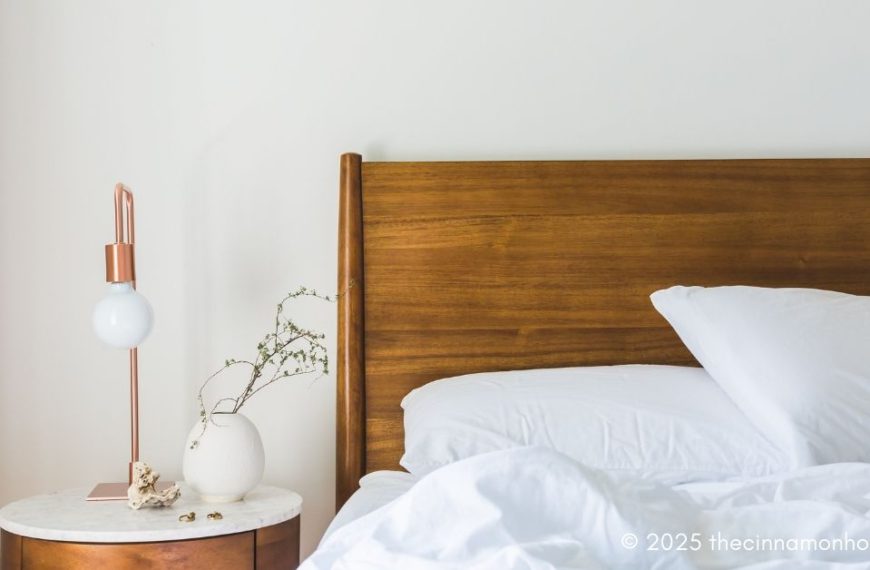
An accent wall is the fastest, most budget-friendly way to shift a room’s mood without redoing everything else. Choose one surface, give it a clear job—anchor seating, frame a bed, lead the eye down a hall—and let the rest of the space support it. Below are ten expanded, real-world ideas that scale from studio apartments to large family homes. Each suggestion includes planning notes so the result looks intentional, not improvised.
1. High-сontrast paint
:max_bytes(150000):strip_icc()/color-scheme-GettyImages-1281326948-cc79d0c3d20d4969a7b1d1c859f1cee6.jpg)
The simplest statement is a deep or saturated color against lighter surroundings. Contrast sharpens lines, grounds furniture and instantly defines a focal point. It is especially effective behind sofas, headboards or fireplaces where shape and silhouette benefit from a darker backdrop.
- Select a hue that already appears in your textiles or art so the wall feels integrated.
- Test two depths of the same color; sometimes one step lighter than your first choice reads richer in daylight.
- Use matte or eggshell to avoid glare and to hide small surface imperfections.
- Finish edges crisply around casings and baseboards; tidy paint lines make even bold choices feel refined.
2. Ombre gradient

A gradient moves from deep to light (or across neighboring hues) to add dimension without the busyness of pattern. It can visually raise low ceilings or soften long, narrow rooms by guiding the eye in the direction of the fade.
- For low ceilings, keep darker near the floor and lighten upward; for tall rooms, experiment with side-to-side fades to rebalance proportions.
- Blend while paints are still workable, feathering joins with a clean, dry roller.
- Stick to analogous hues for calm transitions; reserve bold color jumps for small, framed areas.
- Seal with a low-sheen clear coat in hallways or kids’ rooms to improve cleanability.
3. Limewash or mineral paint

These finishes create cloudlike movement and subtle texture that photographs beautifully and feels calming in person. The soft variation hides minor wall flaws and adds depth to minimalist spaces without introducing obvious pattern.
- Apply in loose, overlapping strokes; vary pressure for natural tonal shifts.
- Choose light to mid tones in low-light rooms; deeper, moody shades in sunlit spaces.
- Pair with natural materials—linen, wool, raw wood—to echo the hand-hewn look.
- Spot-test in corners; mineral paints can dry lighter or darker than expected.
4. Wood slats

Vertical timber battens deliver warmth, rhythm and a bespoke look. They work equally well behind TVs, as headboards or in entryways where you need quick architectural character. Painted MDF offers a crisp graphic read; oak, ash or walnut add natural grain and longevity.
- Run slats full height to elongate walls; break at a datum rail if you want to incorporate a shelf or picture ledge.
- Hide a slim LED strip in a top reveal to wash the slats with soft, evening light.
- Space battens evenly (common gaps 10–20 mm) for a tailored, repeatable pattern.
- Finish natural wood with hardwax oil for a low-sheen, repairable surface.
5. Board-and-batten or shiplap

Clean, linear paneling adds shadow and structure without ornate molding. Painted the same color as the wall it reads subtle and architectural; in a contrast color it becomes the statement itself. It is a great way to bring presence to otherwise flat drywall.
- Extend paneling higher behind a bed to mimic the effect of a grand headboard.
- Keep spacing consistent (often 25–40 cm) so the rhythm feels deliberate.
- Choose satin or durable eggshell for wipeability in busy rooms.
- Terminate neatly at corners and casings; clear terminations make the treatment feel built-in.
6. Brick, stone, or concrete effect

Real thin brick, stone veneer or a polished-concrete finish introduces honest texture that balances sleek furniture and glass. These surfaces excel in living rooms, dining zones and entry halls where tactile contrast raises the perceived quality of the entire scheme.
- Counter “hard” textures with soft rugs, curtains and upholstery to keep acoustics comfortable.
- Use wall washers or uplights to make the relief read dramatically after dark.
- Seal porous materials to resist dust and stains, especially near cooking or dining.
- If going faux-concrete with paint or plaster, stick to low sheen so the effect stays believable.
7. Statement wallpaper or mural

From panoramic botanicals to tailored geometrics, one patterned wall can reset a room’s personality in an afternoon. It is ideal for entries, dining rooms, powder rooms and behind beds where you want high impact without overwhelming every surface.
- Scale matters: larger motifs feel calmer and more upscale than tiny repeats.
- Line imperfect walls first; a smooth base makes installation cleaner and seams tighter.
- Peel-and-stick is perfect for rentals or first-time installers; keep a smoothing tool handy.
- Echo one or two colors from the paper in pillows or artwork to tie the room together.
8. Large-scale artwork

One generous piece can replace shelves, mirrors and clusters of small frames—instant focus with minimal styling. Choose a work that sets the palette and mood you want, then let supporting textiles and accents take cues from it. For size-specific, ready-to-hang pieces that match your palette and wall width, explore curated options at https://tryartwork.com; a confident canvas can anchor seating, calm a busy corner, or finish a hallway without changing a single piece of furniture.
- Aim for artwork width at roughly one half to two thirds of the furniture below.
- Hang so the visual center sits near eye level, about 145 cm from the floor.
- Repeat one artwork color in two or three soft furnishings for cohesion.
- Use non-reflective glazing in bright rooms to prevent glare.
9. 3D panels and paint-only “Relief”

Fluted, scalloped or geometric panels add depth quickly and read like custom millwork. No panels on hand? Fake relief with paint: base a mid tone, add a lighter edge for highlight and a darker edge for shadow, keeping a consistent light-source direction. With grazing light, the effect feels surprisingly dimensional.
- Choose low-sheen finishes so volume reads through value, not glare.
- Keep forms simple—arches, ribs, boxes—so the illusion remains elegant.
- Test shadow and highlight tones together; too much contrast breaks the 3D trick.
- Position a sconce or LED strip to skim the surface and amplify depth at night.
10. Light as the accent

Let illumination itself make the wall the feature. Wall washers, picture lights and concealed LED lines sculpt color and texture without changing materials. This is especially useful in rentals or spaces where permanence is not possible.
- Layer ambient, task and accent lighting so the wall evolves from day to night.
- Warm 2700–3000 K in living and bedroom zones; neutral 3500–4000 K for work areas.
- Place dimmers within reach of seating for quick scene changes.
- Aim beams to graze textured finishes and flatter art; avoid hot spots at eye level.
Quick Planning Tips
- Pick a single hero wall; competing statements in one room dilute impact.
- Confirm scale with painter’s tape or paper templates before committing to materials.
- Mind clearances and comfort: walkways about 90 cm; sofa to coffee table 35–45 cm.
- Coordinate the accent with existing textiles and finishes so the update feels designed, not tacked on.
- Edit nearby surfaces; the accent reads stronger when the surroundings stay quiet.
Wrap-Up
Accent walls work because they concentrate attention and clarify how a room should be used. Choose a move that suits your architecture—contrast paint for punch, gradient or limewash for calm, slats or panels for texture, a mural for personality, or an oversized artwork for effortless polish—and let the rest of the scheme support it. When the accent wall has a job and the details are measured with care, the entire room feels more intentional, more comfortable, and more you.

Meg is an author at Cinnamon Hollow. She writes on a variety of topics sharing tips and ideas for daily life.