There’s a very weird line with emergency prep, right? Like, on one side, there’s the person who has absolutely nothing ready and is acting like storms, power outages, evacuations, supply issues, and random real-life disasters are all fictional concepts invented by overdramatic neighbors. When these things are super common, depending on where you live, you obviously need to try and do whatever you can to safeguard your home. However, on the other side, there’s the person who has gone full bunker fantasy and is one bad headline away from buying powdered eggs in quantities no normal family should ever have to explain.
And yeah, neither extreme is especially helpful. And as a parent, you know your kids come first; they’re everything to you. But at the same time, here, parents don’t need to turn the garage into a 1950s fallout shelter and spend a fortune on supplies that may expire before anyone ever touches them. That whole Cold War bunker era is honestly a reminder that fear can get very expensive when it starts shopping unsupervised.
But You Need a Plan Though
But having no plan at all? Well, that’s also not ideal. Having a kid, a baby, a pet, or an aging parent in the house changes the whole emergency-prep conversation, because it’s not just about water, flashlights, and canned food. It’s about real people with real needs, and those needs get very loud very fast when something goes wrong. And those get so horribly scary, too, because they need to be prioritized during this scary situation.
But in general here, it’s really going to help to just know and understand that preparedness doesn’t have to be scary. It doesn’t have to be intense. It doesn’t have to become someone’s whole personality. You just need to be prepared, just prepared enough for a few days if something goes wrong happens, literally, that’s it.
Parents Remember the Basics, But Kids Need Specifics
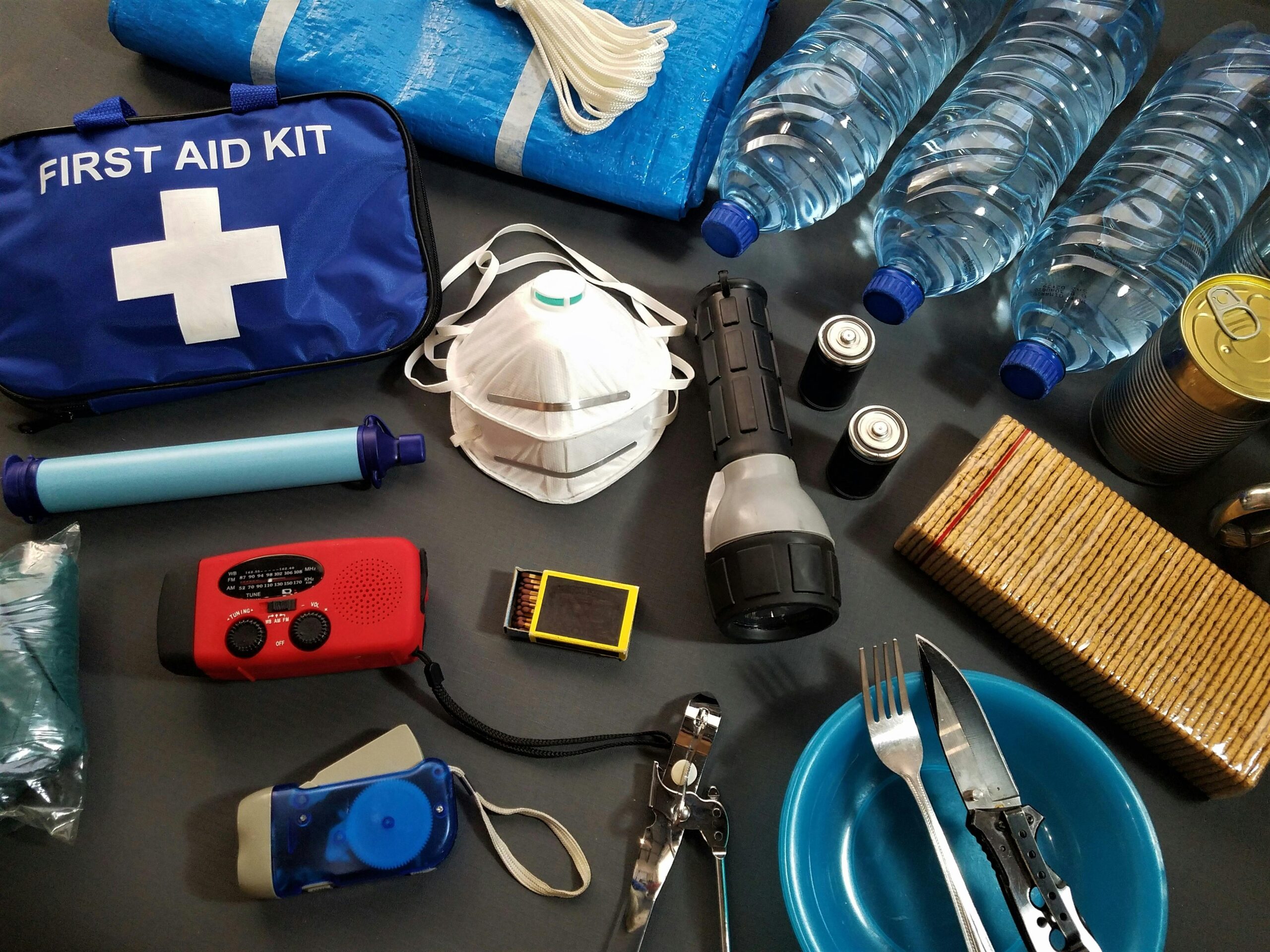
Well, most people can probably name the usual emergency kit items without thinking too hard. It’s the basic things you need like water, food, batteries, flashlight, first aid kit, phone charger, blankets, maybe some cash, yeah, all sensible, all useful, all very “responsible adult” in the least exciting way possible. You can get most of these from Amazon if you want to buy them all in one go, so that really helps.
However, just keep in mind here that once kids are involved, the regular checklist starts looking a bit too simple. Which, sure, you still need those things. And yeah, sure, a child technically can eat a shelf-stable granola bar, but will they eat it when everything feels stressful, and the normal routine has gone sideways? Maybe. Maybe not. It’s hard to predict unless you’ve been in some sort of stressful situation with them (like the power going out all night during a storm, for example).

And if you have a baby, well, that’s a whole other thing since babies need formula, bottles, diapers, wipes, diaper cream, spare clothes, and whatever specific thing helps them settle. Toddlers need snacks they’ll actually accept, not the emergency crackers bought by an optimist, and older kids may need medication, spare glasses, school information, comfort items, or something to keep them busy enough that the whole situation doesn’t become ten times more stressful. You clearly won’t think about these things in a stressful situation, but you still need to think about these things, though.
Comfort Items aren’t Extra
Well, when it’s two adults, it can be extra, but not for kids. For a kid, ideally, there should be a stuffed animal, a familiar blanket, a favorite book, headphones, a small toy, crayons, a notebook, or even a printed family photo that can make a hard moment feel less strange for a child. And honestly, adults aren’t above needing comfort either, even if they want to act like they’ll be perfectly calm and practical while the power is out and nobody knows where the spare batteries went.
The point isn’t to pack half the playroom. Please don’t do that to future exhausted you. The point is choosing one or two small things that help kids feel grounded, because a child who feels a little safer is easier to help than a child who is overwhelmed, bored, uncomfortable, and any other big feeling that they’re going through.
But the Kit has to Match the Actual Family
Yes, you need the actual necessities, all those standard things that every emergency kit is supposed to have. But at the same time, here, you can probably agree that the standard emergency kit is more like a template that assumes that every household is made up of healthy adults who calmly eat canned soup, follow instructions beautifully, and never need anything specific.
A real family emergency kit needs to match the actual people living in the house. One family may need baby supplies. Another may need pet food, a leash, and copies of vet records. Maybe another may need inhalers, hearing-aid batteries, mobility support, spare contact lenses, blood sugar supplies, well, you might get the point here because this list could probably go on forever.

It’s Also About Where You Live
Parents also need to think about where life actually happens, be it at home, in a car (as cars can break down during snowstorms, for example: free printable car kit download below). You just have to be realistic with this all and plan the best way you can for your family. Like if you live in a forestry area, for example, then it could help to get supplies from an Army surplus store, because who knows, maybe in an emergency someone might have to go out and hunt, or whatever else during a stressful time.
Maybe you need to start considering solar panels if the power goes out a lot, maybe you need to look into canning supplies, but in general here, every family in every different location will have to plan accordingly, so there’s really no real right or wrong way because of how much it all varies.
Don’t Build the Kit from Panic
Well, there’s a big difference between preparing and panic-buying, and wow, panic-buying can get weird fast. You know the joke about milk, bread, and eggs being sold out the second the second that there’s a snowflake outside? Well, it’s basically that premise here. That’s usually how emergency prep becomes expensive and useless. Fear gets into the shopping cart, and fear has terrible taste. So you’re better off doing everything a lot slowly and rotating food and snacks before they expire (and yes, Twinkies do have an expiration date).

Check back soon for our full Emergency Preparedness Checklist Bundle!

Hi, I’m Crystal – a Kentucky-based Aromatherapist, wife, mom and the voice behind The Cinnamon Hollow. I share cozy, real-life inspiration for healthier routines, simple home living, essential oil use and safety, beauty, pets, and family adventures. From everyday tips to travel guides, my goal is to help you create a warmer life and embrace each day as its own little adventure. Always remember to live life, one adventure at a time! read more