
Finding ways to sweeten your family’s favorite meals without relying on refined sugar can feel like a challenge. From breakfast oatmeal to after-school snacks, a touch of sweetness often makes food enjoyable. The good news is that moving away from processed sugars doesn’t mean you have to give up flavor. Natural sweeteners offer a world of delicious possibilities that can enrich your dishes while fitting into a more health-conscious lifestyle.
Understanding Different Sweeteners
Sweeteners generally fall into a few main categories. First, there’s refined sugar, like white table sugar or high-fructose corn syrup. These have been processed to remove molasses and any trace nutrients. Then you have low-calorie sweeteners, which provide sweetness with few to no calories.
Finally, there are natural sweeteners. These come from natural sources and undergo less processing. This category includes things like honey, maple syrup, agave nectar, and stevia. Unlike refined sugars, many natural sweeteners keep some beneficial compounds from their original plant sources, offering more than just empty sweetness. For example, certain honeys contain antioxidants and prebiotics, which can help gut health and overall well-being. Specific varieties even offer unique therapeutic properties.
The Benefits of Natural Alternatives
Choosing natural sweeteners isn’t just about avoiding refined sugar. Many of these alternatives to refined sugar come with their own unique flavor profiles and potential benefits. For instance, pure maple syrup contains antioxidants and minerals like manganese and zinc. Date paste, made from blended dates and water, provides fiber along with its sweetness.
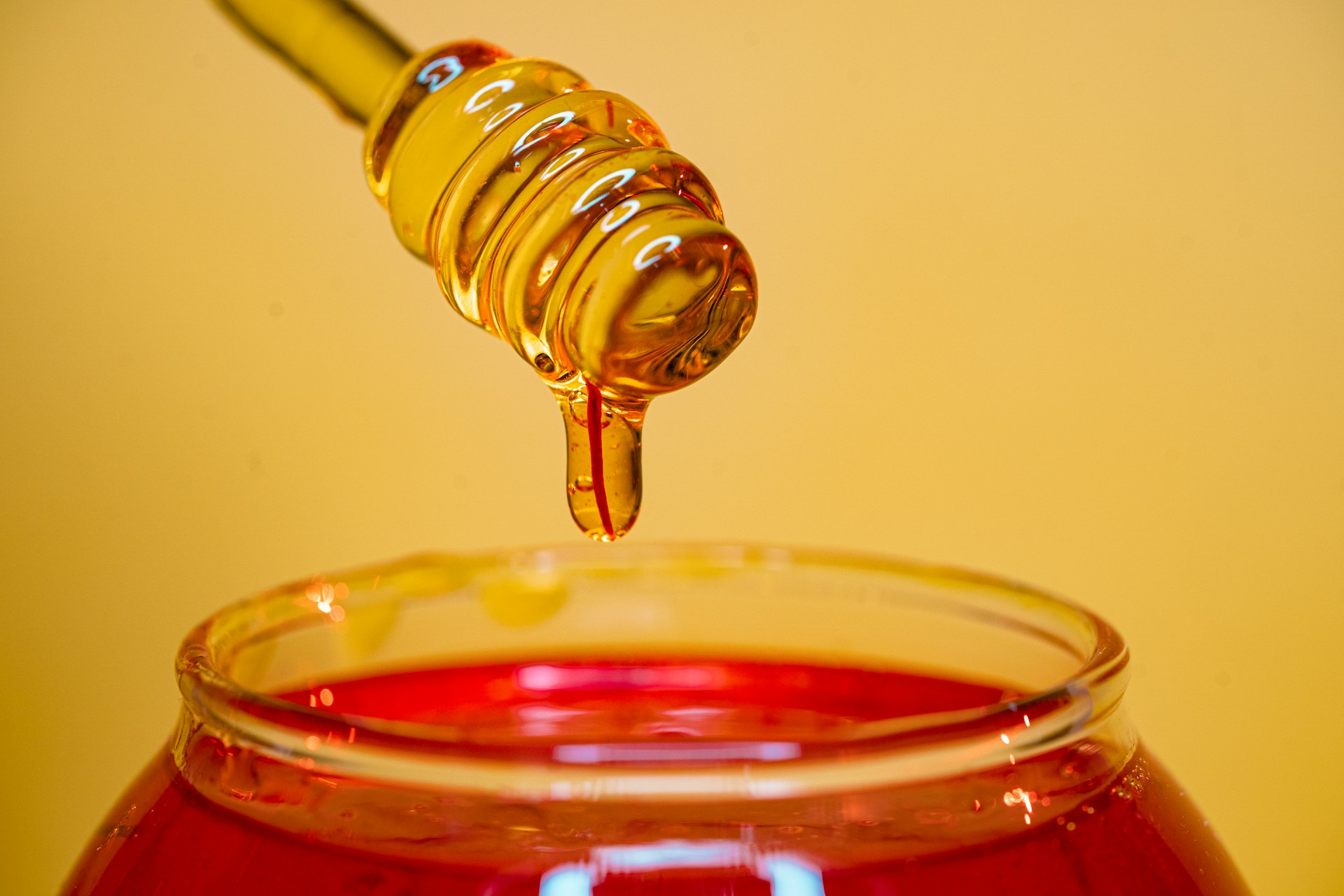
Honey has been valued for centuries, not just for its taste but also for its natural properties. It contains small amounts of vitamins, minerals, and antioxidants. Opting for these less-processed options lets you add sweetness to your food while also bringing in a wider range of nutrients and flavors, making your meals more interesting and wholesome.
Manuka Honey: A Unique Natural Sweetener
Among the many types of honey available, Manuka honey stands out. It comes from New Zealand, produced by bees that pollinate the native Manuka bush. What makes it so unique is its high concentration of a compound called Methylglyoxal (MGO). This compound is responsible for many of the properties that have made Manuka honey famous worldwide, and you can buy Manuka honey online.
When you’re looking for Manuka honey, you’ll often see UMF (Unique Manuka Factor) or MGO ratings on the label. These numbers tell you its potency; a higher number means a higher concentration of beneficial compounds. It has a distinct, rich flavor that is more complex than typical honey, with earthy and slightly herbaceous notes. Its creamy texture and robust flavor make it perfect for drizzling over yogurt, adding to tea, or enjoying straight from the spoon.
Cooking and Baking with Honey
Using honey in your kitchen is simple, but a few tips can help. Since honey is sweeter than sugar, you can generally use less. A good rule of thumb is to substitute one cup of sugar with about 2/3 to 3/4 cup of honey. Honey also contains water, so you’ll want to reduce other liquids in your recipe by about 1/4 cup for every cup of honey used.
Because of its composition, honey can cause baked goods to brown more quickly. To prevent this, lower your oven temperature by about 25 degrees Fahrenheit. Honey also adds wonderful moisture that keeps cakes, muffins, and breads from drying out. It’s fantastic in marinades for chicken or pork, salad dressings, and as a glaze for roasted vegetables, adding a subtle sweetness that balances savory flavors perfectly.
Making Informed Choices for Your Pantry
Stocking your pantry with healthier sweeteners starts with reading labels. Look for “pure” or “raw” on honey and maple syrup labels to ensure you’re not getting a product with added corn syrup or other fillers. When choosing any sweetener, think about how you plan to use it.
- Honey: Great for tea, yogurt, and baking moist cakes.
- Maple Syrup: Perfect for pancakes, waffles, and glazing vegetables like carrots or sweet potatoes.
- Stevia: A good calorie-free option for sweetening beverages if you enjoy its taste.
Ultimately, the best choice is the one that fits your family’s taste preferences and dietary goals. Experimenting with different natural sweeteners can be a fun way to discover new flavors and create healthier versions of your favorite dishes.
Exploring natural options helps you continue to enjoy sweet treats in a way that feels good. A simple swap in your morning coffee or weekly baking can be a small but meaningful step toward a more balanced pantry.
The owners and authors of Cinnamon Hollow are not doctors and this is in no way intended to be used as medical advice. We cannot be held responsible for your results. As with any product, service or supplement, use at your own risk. Always do your own research and consult with your personal physician before using.

Hi, I’m Crystal – a Kentucky-based Aromatherapist, wife, mom and the voice behind The Cinnamon Hollow. I share cozy, real-life inspiration for healthier routines, simple home living, essential oil use and safety, beauty, pets, and family adventures. From everyday tips to travel guides, my goal is to help you create a warmer life and embrace each day as its own little adventure. Always remember to live life, one adventure at a time! read more


