Opening a farmers market drink stand requires more than a good lemonade recipe. Vendors need a combination of permits, reliable equipment, efficient preparation systems, and strong branding to operate successfully in busy outdoor markets. A well-organized setup can turn a small seasonal stand into a profitable side business or full-time venture.
Drink stands have become increasingly popular because customers are looking for fresh, locally inspired beverages during community events and weekend markets. Herbal iced teas, fruit lemonades, cold brew drinks, and sparkling refreshers all appeal to shoppers searching for quick and affordable options while browsing vendors.
Success often comes down to preparation and consistency. Understanding health requirements, choosing the right equipment, and creating an efficient workflow can help new vendors avoid common mistakes and operate smoothly from day one.
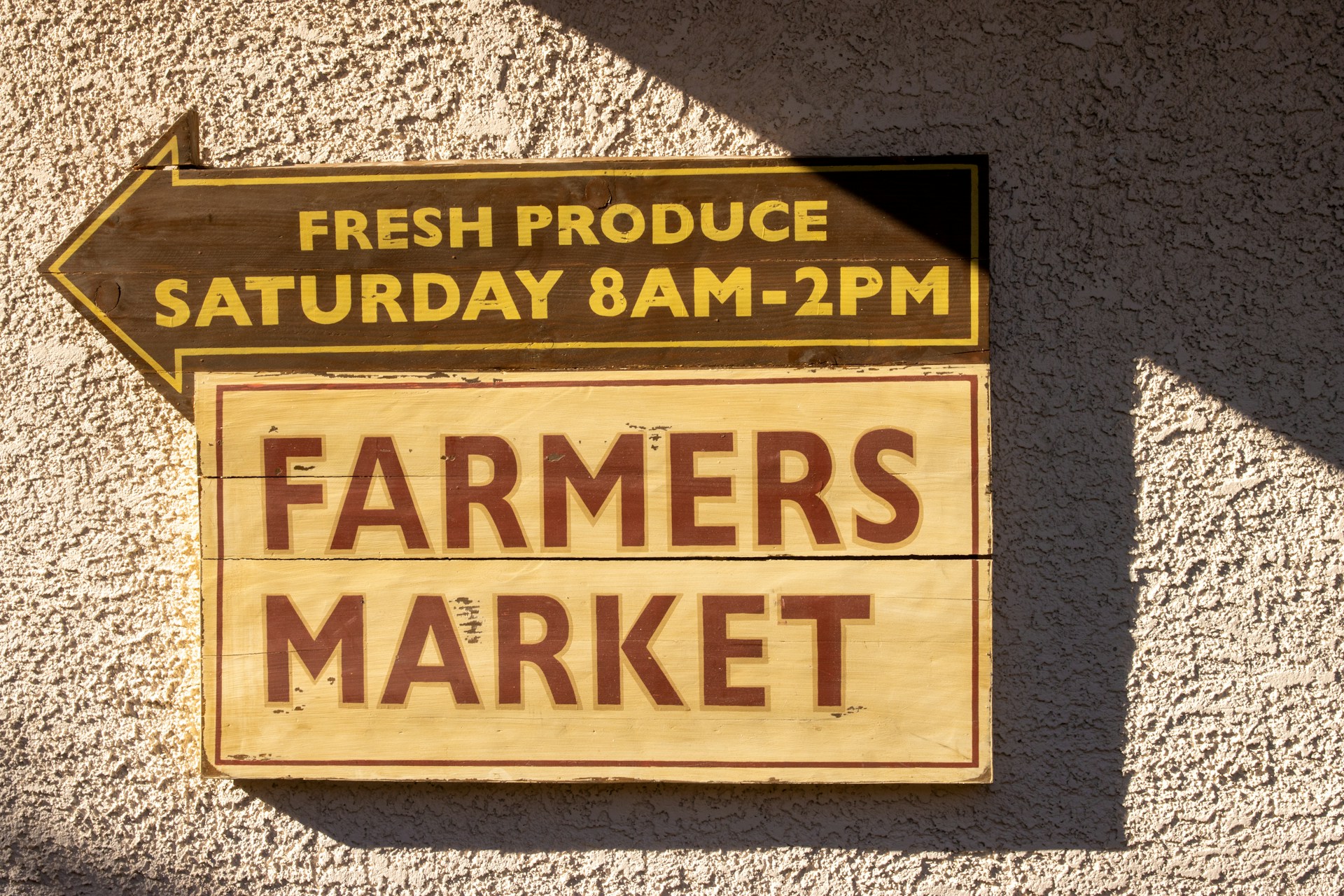
Choosing Equipment for a Farmers’ Market Drink Stand
Reliable equipment forms the foundation of a successful beverage stand. Vendors need dependable cooling systems, ice storage, serving containers, and power solutions that can handle long market days without interruption.
Ice production is especially important because melted ice can quickly impact drink quality and presentation during warm-weather events. Many vendors preparing drinks from home kitchens or commissary spaces look for compact ice solutions that are purpose-built for tight kitchen layouts while still producing enough ice to support steady customer demand throughout the day.
Essential equipment for most drink stands includes:
- Coolers and ice bins
- Beverage dispensers
- Portable power stations
- Folding prep tables
- Cashless payment systems
Efficient equipment choices help reduce setup time and improve workflow during busy service periods. Organized stations also make it easier to maintain cleanliness and health compliance throughout the event.
Understanding Permits and Health Requirements
Every farmers’ market has its own rules, but most vendors need permits before serving beverages to the public. Local health departments often require food handler certifications, temporary food permits, or inspections, depending on the type of drinks being sold.
Operators should contact both the farmers’ market organizers and local health authorities before launching the business. Clear communication early in the process helps avoid delays and unexpected compliance issues.
Important permit and compliance considerations include:
- Temporary food permits
- Food handler certifications
- Handwashing stations
- Ingredient labeling
- Waste disposal plans
Eco-friendly service practices are also becoming more common in 2026. Compostable cups, paper straws, and recyclable packaging can help vendors appeal to environmentally conscious shoppers while reducing waste.
Planning a Simple but Profitable Drink Menu
A focused menu usually performs better than offering too many choices. Customers at farmers’ markets often want fast service, refreshing flavors, and clear pricing rather than an overwhelming list of options.
Seasonal ingredients can help create unique drinks while supporting local farms and suppliers. Fresh berries, citrus fruits, herbs, and natural sweeteners often work especially well in market-style beverages.
Popular drink categories include:
- Fresh lemonades
- Herbal iced teas
- Fruit infusions
- Sparkling refreshers
- Cold brew coffee
Batch preparation also saves time during busy hours. Pre-mixed concentrates and organized ingredient stations help vendors serve customers quickly without sacrificing consistency.
Pricing and Payment Strategies That Work
Pricing should account for ingredient costs, packaging, permit fees, labor, and market booth expenses. Many new vendors underprice their drinks at first, which can make it difficult to maintain profitability over time.
Simple pricing structures tend to move customers through lines faster. Offering one standard size with optional add-ons often keeps ordering efficient during peak traffic periods.
Modern payment systems are also essential for market vendors. Many customers no longer carry cash regularly, especially at larger community events.
Helpful payment options include:
- Mobile card readers
- Contactless payments
- QR code payments
- Digital receipts
- Simple tip prompts
Fast and flexible checkout systems improve customer experience while increasing sales opportunities throughout the day.
Branding Helps Small Drink Stands Stand Out
Branding can make a significant difference in crowded farmers’ markets where multiple vendors compete for attention. Strong signage, coordinated colors, and memorable drink names help attract curious customers from across the market.
Successful vendors often focus on creating a recognizable experience rather than simply selling beverages. Consistency in branding, presentation, and service helps customers remember the stand and return week after week. Reliable equipment and efficient preparation systems support that consistency behind the scenes. Businesses investing in practical solutions from Ice Machines Plus can better maintain drink quality, improve workflow, and keep up with demand during busy market events.

Meg is an author at Cinnamon Hollow. She writes on a variety of topics sharing tips and ideas for daily life.